




SERVICES
Inside of a Tooth in Tracy, CA
Why Pain Doesn't Always Match the Damage
How much a tooth hurts tells you very little about the damage inside it. A cavity can grow for years without pain, and a dying nerve can go quiet right when things get worse. X-rays and regular checkups catch what your tooth won’t tell you.
Here’s something that surprises a lot of our patients. The amount of pain you feel often has little to do with how bad the problem is. Some badly damaged teeth barely hurt. Some small issues hurt a lot.
It starts with how your tooth is built. Your enamel has no nerves at all. So decay can eat through that hard outer shell without a single twinge. The nerves live deep in the pulp, the soft core at the center. Pain usually shows up only once decay gets close to that core.
And by then, the damage isn’t small anymore.

Your Trusted Tracy Dentist
Since 2013

There are a few reasons a tooth can stay quiet while trouble grows. Some are about the tooth itself. Others are about how your body reads pain.
- Enamel can’t feel anything, so early decay stays silent.
- A dying nerve may stop sending pain signals completely.
- Infection at the tip of the root can build slowly for months.
- Some people simply have a higher pain tolerance than others.
- Pain from one tooth can feel like it’s coming from a different spot.
That last one trips people up. Your upper back teeth sit right below your sinuses. So a sinus problem can feel like a toothache. A bad tooth can also feel like sinus pressure. We see this mistake all the time, especially during allergy season.
The riskiest moment is often when the pain stops. It feels like good news. Sadly, it’s often not. When the pulp dies, the nerve can’t send signals anymore. But bacteria keep working inside the tooth, and an abscess can form at the root.
Picture a patient who had a throbbing molar for two weeks. Then the pain just vanished, so she skipped her visit. Three months later her cheek swelled up overnight. The nerve had died, the infection had spread into the bone. She needed abscess drainage first and then root canal therapy to save the tooth.
We’ve had patients swear a tooth was fine because it never hurt once.
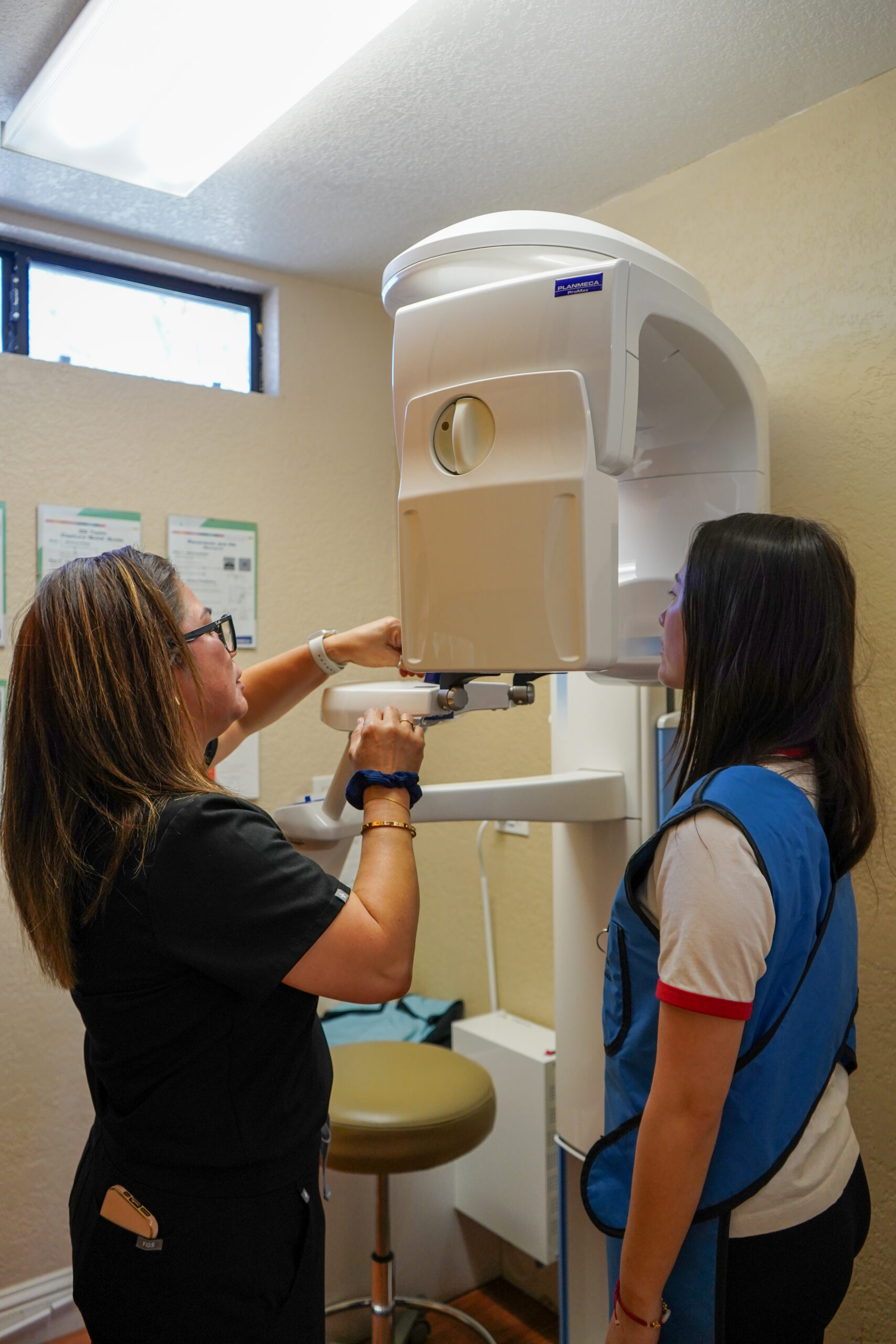
So how do you know what’s really going on in there? You can’t see inside a tooth, but we can. Digital dental X-rays show decay between teeth and under old fillings. 3D dental imaging gives us a clear look at the roots and the bone around them. These tools catch trouble long before you’d ever feel it. Quick, gentle, and low stress.
Many families in Tracy only come in when something hurts. That’s very normal. But waiting for pain means waiting until the problem is deep. Regular checkups are your best early warning system.
Some pain signals do deserve a fast call, though. Pain that lingers after a hot or cold drink is one. A tooth that throbs and wakes you up at night is another. Pain when you bite down matters too. And any swelling in your gum or face needs care the same day.
Don’t let a quiet tooth fool you.
Educational
What It Means When the Inside of a Tooth Hurts
Pain from the inside of a tooth usually starts in the pulp. That’s the soft center of your tooth. It holds nerves and tiny blood vessels. When something bothers the pulp, those nerves send a loud signal. Your tooth is asking for help.
But not all tooth pain means the same thing. The kind of pain tells us a lot. We ask every patient to describe it in their own words. Their answer often points us the right way before we even take a picture.
Here’s what the most common kinds of pain usually mean. Use this as a guide, not a diagnosis. Only an exam can tell you for sure.
- A quick zing from something cold that fades in a few seconds. This often points to a small cavity or worn enamel, and a dental filling can usually fix it.
- Hot or cold pain that hangs around for a minute or more. The pulp may be inflamed and having a hard time healing on its own.
- A deep, throbbing ache that keeps you up at night. This tends to mean the pulp is badly hurt or already infected.
- Sharp pain when you bite down. It could come from a crack, a loose filling, or infection near the root.
- Swelling in your gum or face, sometimes with a bad taste. That’s a warning sign of an abscess, which is a pocket of infection.
Here’s a simple rule. The longer pain lasts after the trigger is gone, the more likely the pulp is in trouble.
So what about pain that suddenly stops? Most people feel relieved. They shouldn’t, at least not yet. When a tooth goes quiet after weeks of aching, the nerve may have died. The infection doesn’t leave with the pain, it keeps moving toward the tip of the root.
No pain doesn’t always mean no problem.
We see this all the time. Last spring, a Tracy dad came in after chewing on one side for a month. He thought the ache came from his sinuses. It didn’t. His back molar had a deep cavity that reached the pulp. Digital dental X-rays showed it in minutes. And because he came in when he did, root canal therapy saved the tooth.
Tracy summers get hot. Lots of folks grab an iced drink and feel that sharp zing for the first time. Some brush it off and wait for weeks, hoping it fades on its own.
Waiting rarely makes it better. A small problem caught early often needs only a filling. A problem left alone can turn into an infection that needs root canal treatment or abscess drainage.
Here’s what happens when you visit us. We’ll look at the tooth and tap on it gently. We’ll check how it reacts to cold. Digital dental X-rays and 3D dental imaging help us see below the gumline. Then we explain what we found in plain words. No rushing. Our team speaks more than one language, so you can ask questions in the way that feels most comfortable to you.
Families from all over Tracy trust us with their kids, parents, and grandparents. New patients are always welcome. If you need help with the cost, we’ll walk you through flexible payment options.
What an Infection Inside a Tooth Can Look and Feel Like
A tooth infection doesn’t always shout. Sometimes it whispers for weeks. The pulp sits deep in the center of your tooth. When germs reach it, they’re trapped with nowhere to go. So pressure builds inside a space that can’t stretch. And that pressure is what you feel.
Most of the signs fall into two groups. Some you’ll feel, and some you can see in the mirror. Here’s what we hear about most often from patients in our chair:
- A deep, throbbing ache that can wake you up at night
- Sharp pain when you bite down or chew on that side
- Hot or cold sensitivity that hangs on long after your drink is gone
- One tooth that looks darker or a bit gray next to its neighbors
- A small bump on your gum near the tooth, a lot like a pimple
- A bad taste or smell in your mouth that keeps coming back
You don’t need all of these to have a problem. Even one can be enough. The lingering cold sensitivity is a big clue for us. A healthy tooth feels the cold and lets it go in a second or two. An irritated pulp holds onto it.
Here’s the part that fools a lot of people.
Sometimes the pain just stops. That feels like good news, right? But it often means the nerve inside the tooth has died. The pain stopped, the infection didn’t. Germs can keep spreading quietly toward the root tip and into the bone around it.
We see this all the time. One Tracy dad came in with a swollen cheek on a Monday morning. He told us his molar had hurt badly last spring. Then it went quiet for months, so he figured it healed on its own. It hadn’t. By the time he called, he needed abscess drainage first and Root Canal Therapy after that. Catching it during the achy phase would have been a much easier visit.
Not every sign is easy to spot at home. Some infections show up only on an image. That’s why we use Digital Dental X-rays and 3D Dental Imaging during an exam. They help us see the root and the bone around it. A dark spot near the root tip can tell us a lot. Even when the tooth feels totally fine.
Call a dentist the same day if you notice swelling in your face or jaw, a fever along with tooth pain, or trouble swallowing or opening your mouth. These can mean the infection is spreading beyond the tooth. If you can’t reach a dentist and the swelling is moving toward your eye or throat, go to the nearest emergency room.
Kids can get these infections too. Little ones often can’t explain what hurts. Watch for chewing on only one side or rubbing a cheek. A child pushing away food they normally love is another hint. Families from Mountain House and around Tracy bring kids in for exactly these reasons, and it’s always worth a look.
Most people wait longer than they should. Nobody wants to bother the dentist over a twinge. But a quick look costs you far less stress than a midnight toothache. Our team speaks more than one language, and we’ll walk you through what we find in plain words.
FAQ
Common Questions
What does the inside of a tooth look like?
Inside your tooth is a soft core called the pulp, surrounded by a hard layer called dentin, and topped with enamel on the outside. The pulp holds nerves and small blood vessels that keep the tooth alive. Decay often eats through enamel and dentin before it ever reaches the pulp. That’s why X-rays matter so much. They let us see layers your eyes never could, often before pain even starts.
What does it mean if the inside of your tooth hurts?
Pain from inside a tooth usually means the pulp is irritated, inflamed, or infected. Quick zings from cold drinks often point to a small cavity, while a deep throbbing ache that wakes you at night often means the nerve is badly damaged. Pain that lingers after the trigger is gone is a warning sign worth checking out. A dental exam and digital X-rays can show exactly what’s happening before the problem grows bigger.
What does an infection inside a tooth look like?
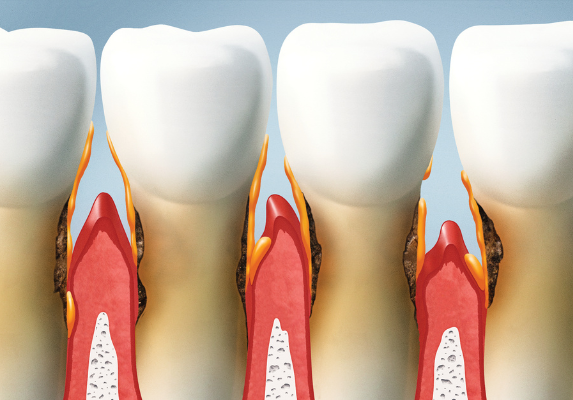
A tooth infection often shows up as swelling in the gum or face, a bad taste, or a bump near the tooth that looks like a pimple. Sometimes there’s no visible sign at all, just a dull ache or sudden quiet after weeks of pain. Infections form when bacteria reach the pulp and spread toward the root tip. Left alone, they can grow into an abscess, which usually needs prompt care.
Why did my tooth pain suddenly stop on its own?
Sudden relief from tooth pain often means the nerve inside has died, not that the problem went away. Once the pulp stops working, it can no longer send pain signals, even while bacteria keep spreading below the surface. This is one of the most common mistakes we see in Tracy patients who feel better and skip their visit. A quiet tooth can still need treatment, so it’s worth getting checked rather than waiting.
Can sinus pressure really feel like a toothache in Tracy?
Yes, and it happens often here during allergy season. Your upper back teeth sit close to your sinuses, so sinus pressure can mimic a toothache, and a bad tooth can feel like sinus pain too. The only sure way to tell them apart is an exam with digital dental X-rays. If you’re unsure which one you’re dealing with, our guide on what’s happening inside a tooth can help you figure out your next step.
Do I need to wait for pain before getting a tooth checked?
No, waiting for pain means waiting until a problem is already serious. Enamel has no nerves, so early decay can grow for years without any warning sign. Regular checkups and X-rays catch trouble long before you’d feel it. Many Tracy families only come in once something hurts, but that often means more extensive treatment than if it had been caught early during a routine visit.
Visit Us Today
Schedule an Appointment for Dental Implants
Maintain the stability and appearance of your newly aligned smile. Contact Smiles Dental Spa to schedule an appointment for dental retainers and space maintainers with Dr. Shirley Zhao.
Contact our office at (209) 836-1748 or conveniently schedule your appointment online through NexHealth. Visit us at 1431 N Tracy Blvd, Tracy, CA 95376—trusted care tailored for your family.

Phone

Location
1431 N Tracy Blvd
Tracy, CA 95376