




Finding an oral surgeon in Tracy shouldn’t stress you out. Maybe it’s a wisdom tooth that won’t quit. Maybe you’re gearing up for dental implants, or you’ve got a dental emergency at 10 p.m. on a random Tuesday. Whatever the situation, you deserve someone who actually knows what they’re doing, and who’s gentle about it.
At Smiles Dental Spa, Dr. Shirley Zhao brings years of advanced surgical training to our office at 1431 N Tracy Blvd. She’s a Fellow of both the International Congress of Oral Implantology and the American Academy of Implant Dentistry. What does that mean for you? She performs a full range of oral surgery procedures right here, so there’s no need for referrals across town or long drives out to the Bay Area.
Tracy’s grown into a community of over 100,000 people now. Lots of young families moving into those newer neighborhoods along the expanding corridors, and they need accessible surgical dental care that’s actually high-quality. That’s us. And here’s something we’re proud of: our staff speaks Cantonese, Chinese, Tagalog, and Spanish on top of English. No language barriers getting between you and understanding your treatment plan.

Your Trusted Tracy Dentist
Since 2013
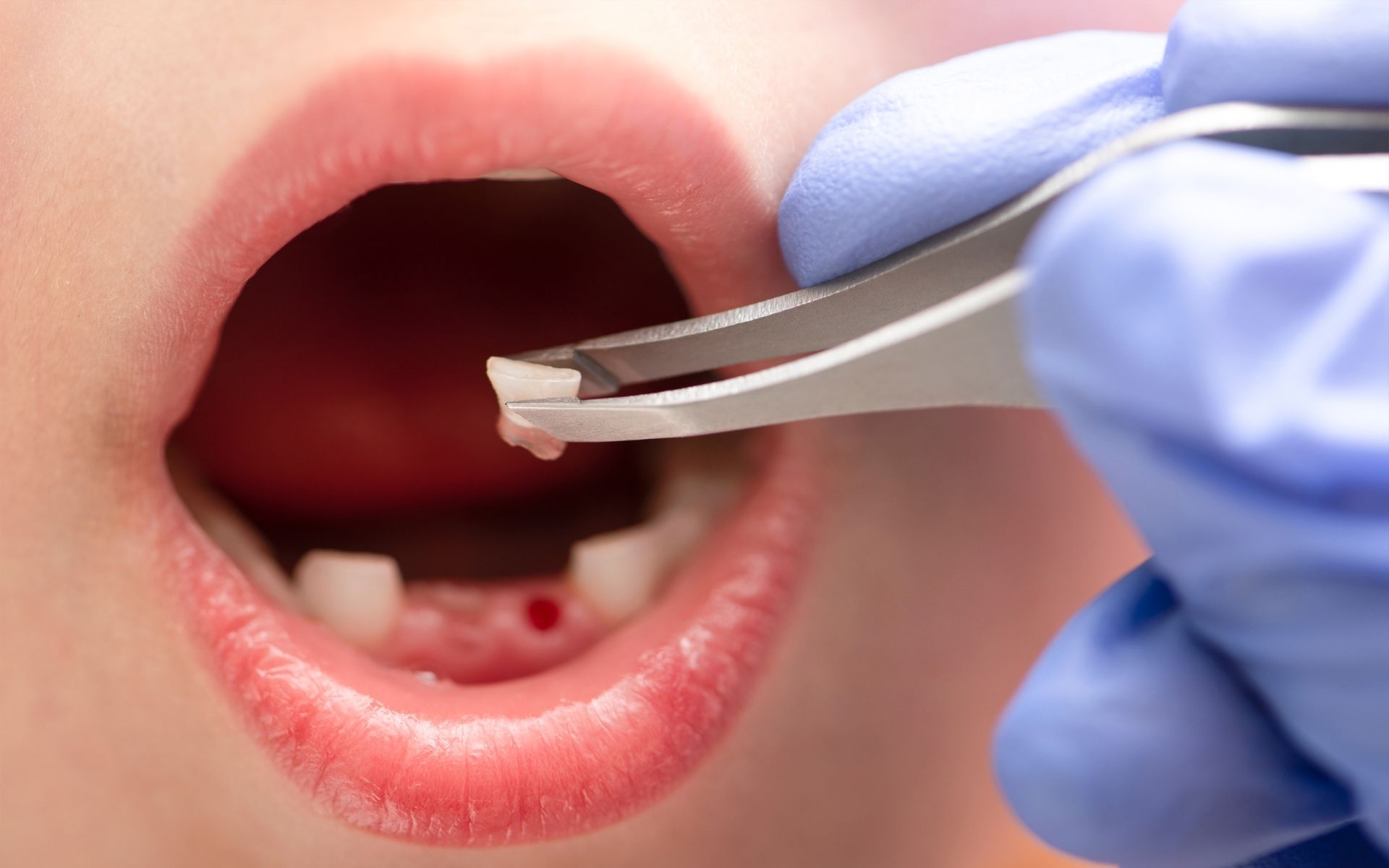
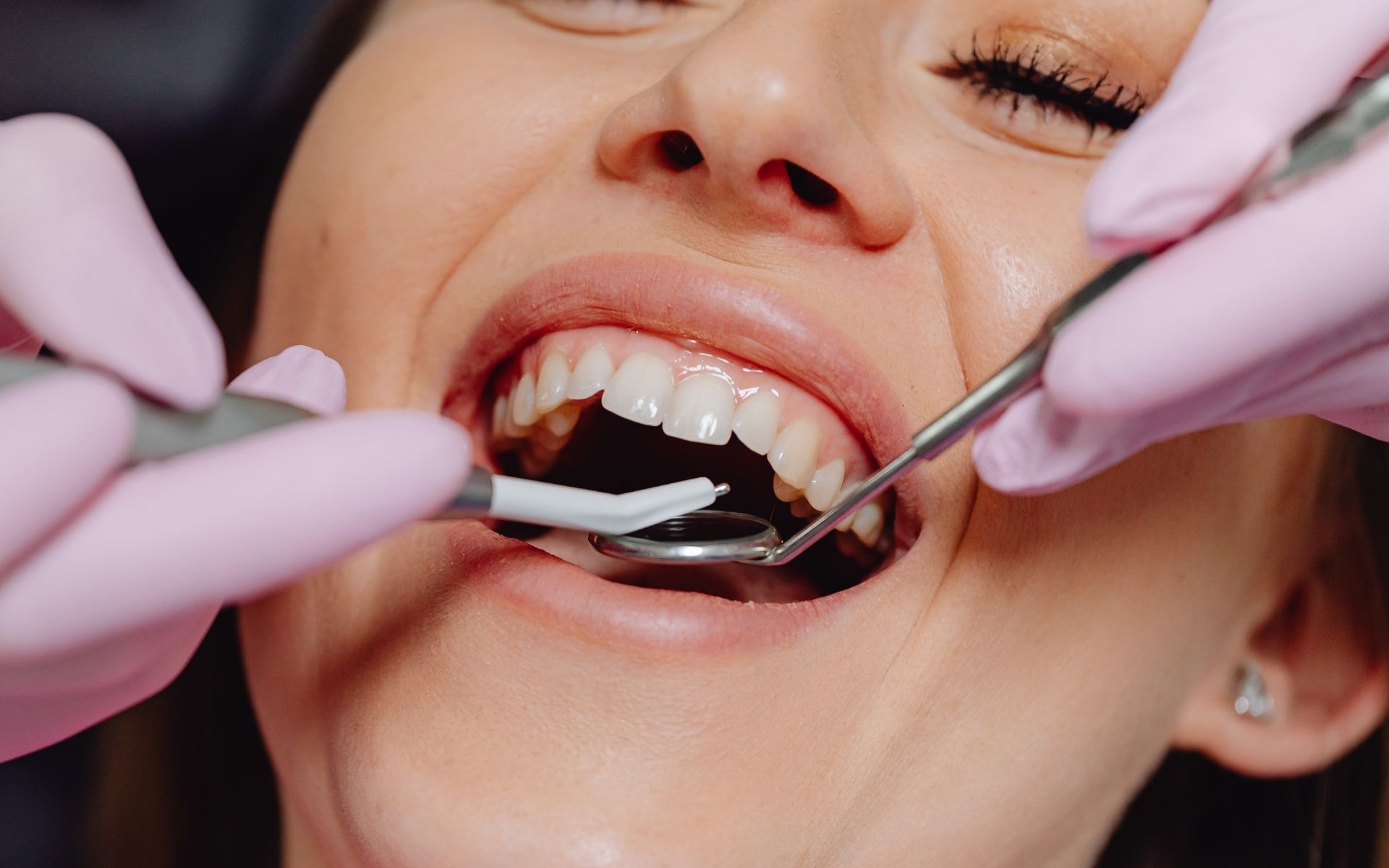
A simple extraction is pretty much what it sounds like: removing a tooth that’s visible above the gum line. Straightforward stuff. We usually recommend it when decay has wrecked a tooth beyond saving, when periodontal disease has loosened things up too much, or when there’s overcrowding and orthodontic treatment needs the space.
First, Dr. Zhao numbs the area thoroughly with local anesthesia. You won’t feel a thing. Once you’re comfortable, she uses instruments called elevators to gently loosen the tooth in its socket, then removes it with forceps, careful, controlled movements the whole time. Honestly? Most patients tell us they’re surprised how quick and painless it is.
The whole thing usually takes somewhere between 20 and 40 minutes. Depends on which tooth and what shape it’s in. If you’re someone who gets anxious about dental work (and there’s zero shame in that), we offer nitrous oxide sedation to help you relax through it.
Healing is usually pretty smooth. Most people are back to their normal routine within a day or two. We’ll send you home with clear aftercare instructions, how to manage any mild soreness, how to protect the blood clot that forms in the socket. Nothing complicated.
Here’s a Tracy-specific tip, though. Our hot, dry summers can dehydrate you faster than you’d think, and dehydration actually slows healing down. So we always tell our patients, drink plenty of water during recovery. Especially during those 95°F-plus stretches that the San Joaquin Valley dishes out from June through September.
Sometimes a simple extraction just won’t cut it. If a tooth is impacted, snapped off at the gum line, or has roots that curve in weird directions, that’s when you need a surgical extraction. And honestly, this is where having a skilled oral surgeon really matters.
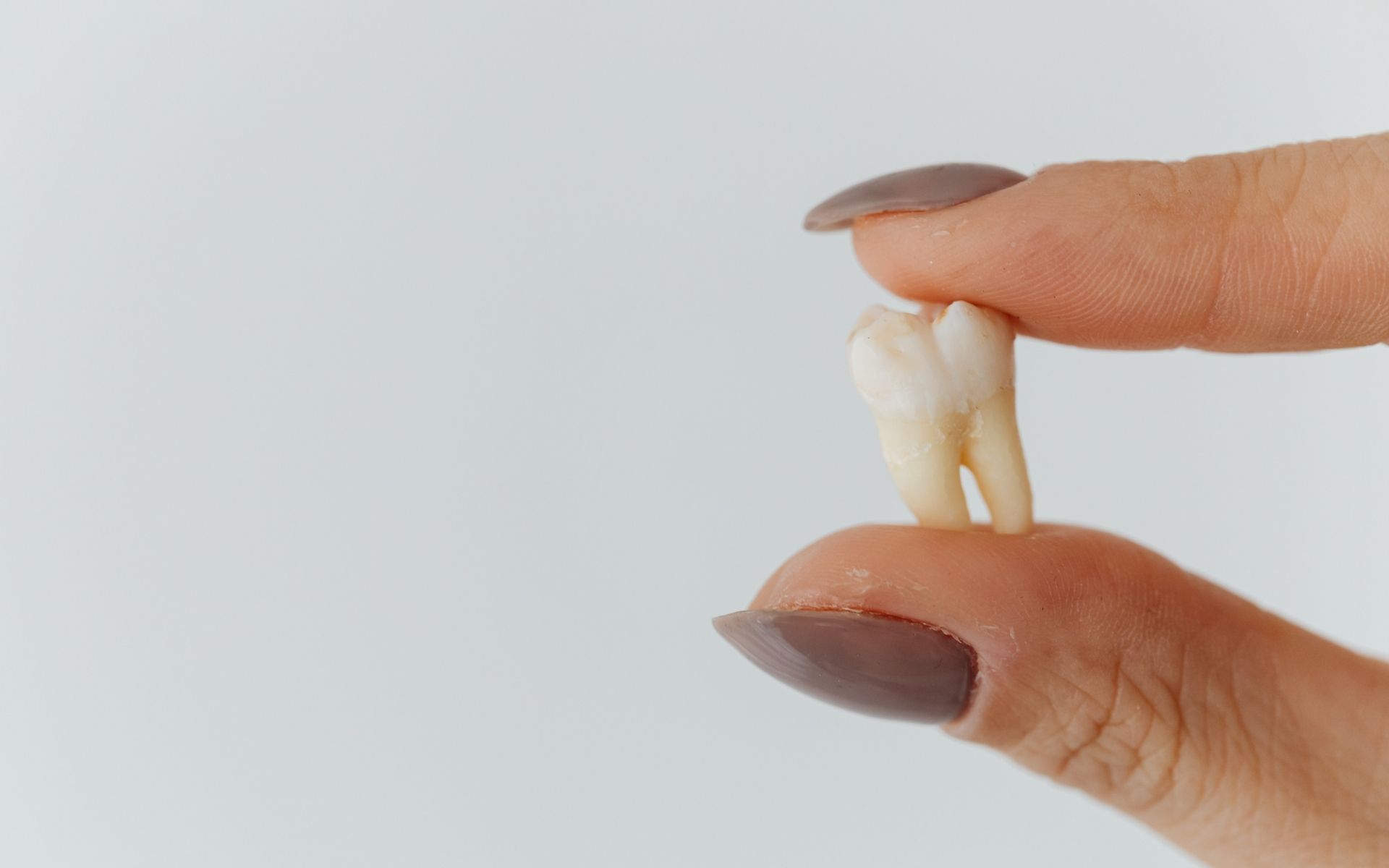
The biggest reason? Impacted wisdom teeth. Those third molars just don’t have enough room to come in properly for a lot of people, especially younger patients. They grow sideways, poke through halfway, or stay completely buried under gum and bone.
But it’s not always about wisdom teeth. We also do surgical extractions when a tooth has broken below the gum line, when roots are fused to the jawbone or curved in unusual ways, and when a tooth needs to be carefully sectioned into pieces so it can come out safely.
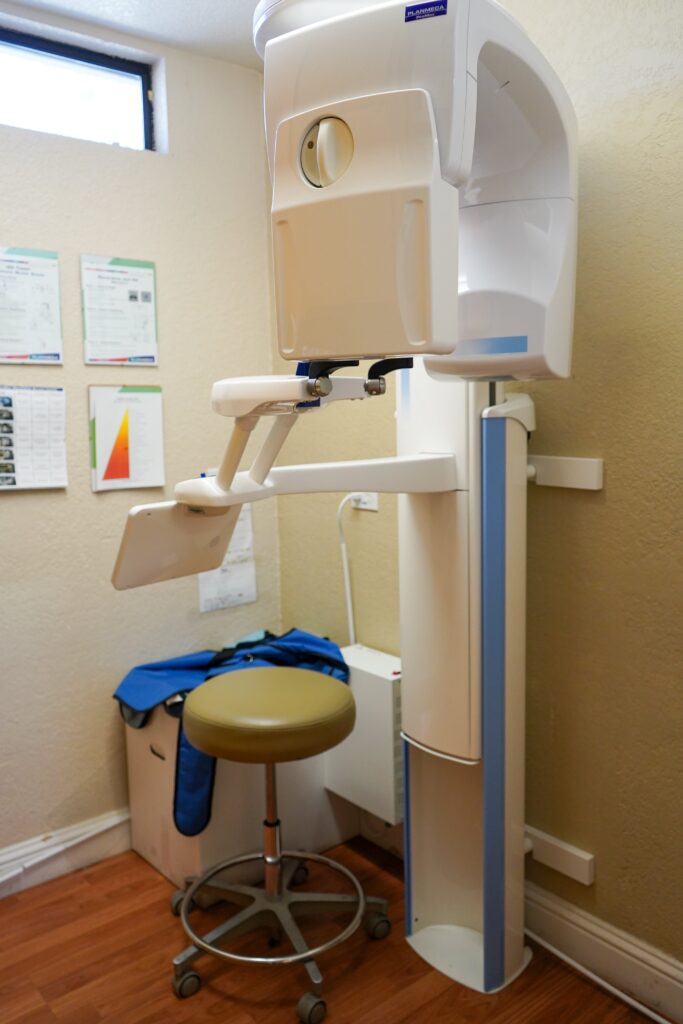
Wisdom teeth usually start causing trouble between ages 17 and 25. At Smiles Dental Spa, we use advanced 3D imaging — CBCT scans to get a precise three-dimensional view of your wisdom teeth and how they sit relative to nearby nerves and sinuses. That kind of detail lets Dr. Zhao plan the safest, most efficient removal possible.
A lot of the young families who settled in Tracy’s newer neighborhoods, the ones built during the ’90s and 2000s housing boom, now have teenagers hitting that age where wisdom teeth become a real concern. Our advice? Bring your teens in around 16 or 17 so we can keep an eye on things and plan ahead instead of scrambling later.
Dr. Zhao is meticulous. After anesthesia (plus nitrous oxide if you want it), she makes a small incision in the gum tissue to reach the tooth. Sometimes a tiny bit of bone needs to come away, or the tooth gets divided into sections for a gentler, less traumatic removal.
Then she cleans the surgical site thoroughly and closes it with dissolvable sutures. The whole process is designed to minimize tissue disruption, which means faster healing and less discomfort on your end.
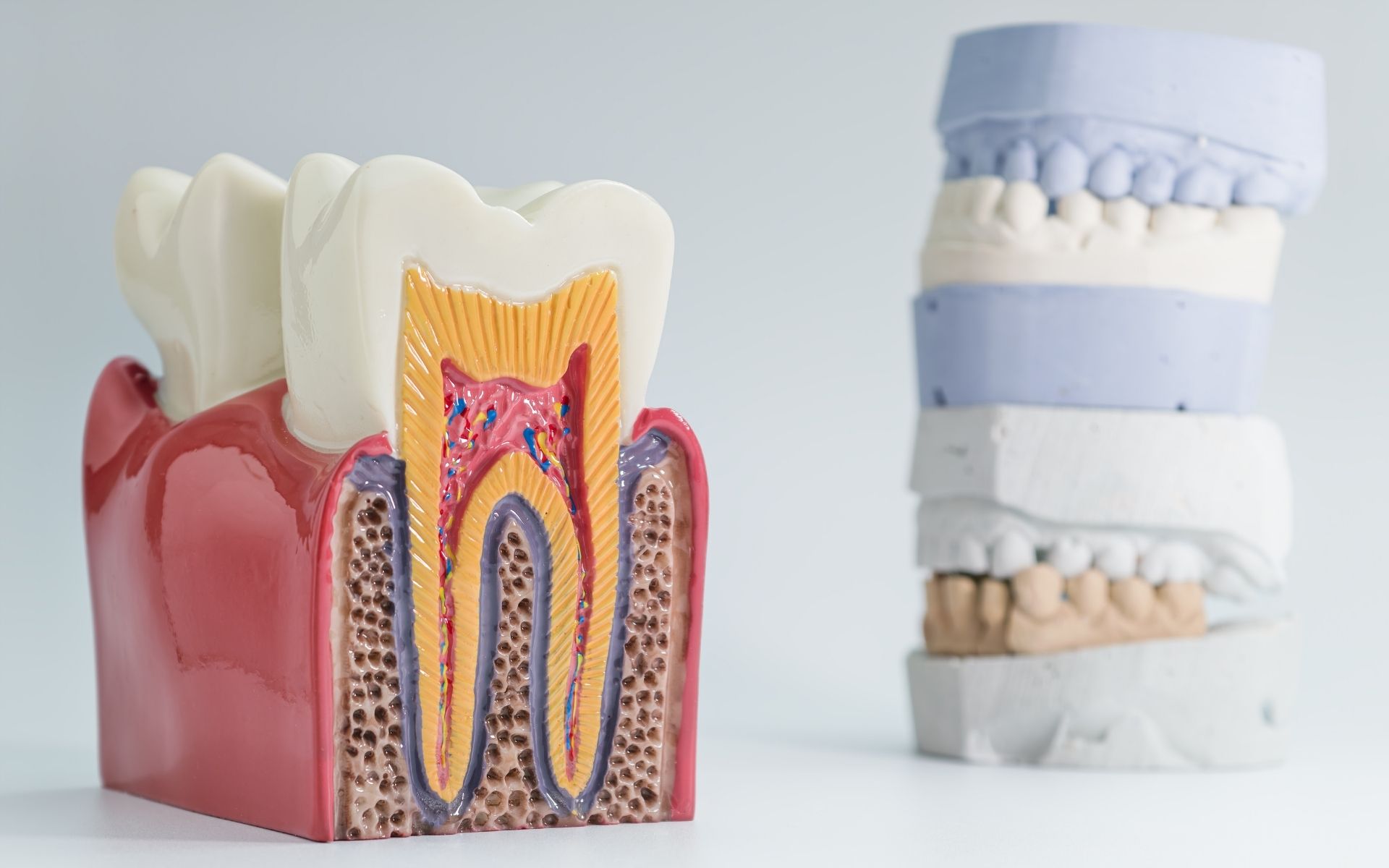
Bone grafting rebuilds jawbone that’s been lost: whether from a tooth extraction, gum disease, an injury, or just natural resorption over time. If someone’s told you there isn’t enough bone for dental implants, a bone graft can change the whole picture.
Here’s something most people don’t know. Lose a tooth, and the jawbone in that spot starts shrinking almost immediately. Research from the National Institutes of Health shows you can lose up to 25% of bone width at an extraction site within just the first year. Keep waiting, and it gets worse — eventually changing the shape of your face and seriously limiting your replacement options.
Bone grafting stops that process and reverses it. We place biocompatible graft material into the weak area, creating a scaffold that tells your body to grow new, healthy bone tissue. Think of it as essential groundwork for anyone who wants dental implants, crowns, bridges, or other restorative work later on.
Socket preservation grafts: Placed right after a tooth extraction to prevent bone loss at the site — this is the one we do most often
Ridge augmentation: Rebuilds the jawbone ridge’s width or height after significant resorption has already happened
Block bone grafts: Reserved for larger defects where a bigger volume of bone needs restoring
Dr. Zhao starts by completely numbing the treatment area. She makes a small incision in the gum tissue, then places the bone graft material which could be human donor tissue, bovine-derived material, or a synthetic biocompatible option. It depends on what your specific situation calls for.
Usually a collagen membrane goes over the graft to protect it and guide healing. Then sutures close everything up. The whole procedure runs about 45 minutes to an hour, and most patients say the discomfort afterward is pretty mild.
Patience is key with bone grafts. Your body needs three to six months to replace the graft material with your own living bone. We’ll check on your progress with periodic imaging during that time to make sure everything’s on track.
Tracy’s mineral-rich water — pretty typical of Central Valley groundwater — doesn’t directly affect graft healing. But staying well-nourished and hydrated? That absolutely does. We’ll give you specific dietary recommendations to support the best possible bone regeneration during your recovery.
A sinus lift — sometimes called sinus augmentation — is a specialized bone grafting procedure for the upper jaw. It’s one of the more advanced things we do in oral surgery, and Dr. Zhao’s extensive implant training makes her exceptionally qualified to perform it right here in Tracy.

Your maxillary sinuses sit right above your upper back teeth. Lose those teeth, and over time the sinus cavity can expand downward into the space where bone used to be. The result? Not enough bone height to safely anchor dental implants in that upper premolar or molar area.
A sinus lift fixes this. Dr. Zhao gently elevates the sinus membrane and packs bone graft material underneath it. Over the following months, that graft fuses with your existing bone, building a solid foundation for implants.
Before anything happens, Dr. Zhao uses 3D imaging to map your sinus anatomy in detail. This planning step is critical — everyone’s sinuses are shaped differently, and knowing the exact dimensions means a safer, more predictable result.
During the actual procedure, she creates a small window in the lateral wall of the sinus. The membrane gets carefully lifted, bone graft material is placed in the space beneath it, and then the area is closed with sutures. Expect it to take one to two hours depending on how much grafting is needed.
Recovery from a sinus lift has some unique rules compared to other oral surgeries. Don’t blow your nose hard. Don’t sneeze with your mouth closed. Skip the straws for about two weeks. All of these things create pressure changes that can mess with the healing graft.
And if you live in Tracy, here’s something worth thinking about — the Central Valley’s seasonal air quality issues, especially during wildfire season and high-particulate days, can really irritate your sinuses while you’re recovering. We may suggest checking the AirNow.gov air quality index, staying inside on bad air days, and using saline nasal spray to keep things comfortable while the surgical site heals.
Full bone maturation after a sinus lift takes four to nine months. Once Dr. Zhao confirms through imaging that there’s enough solid bone volume, we move forward with placing your implants.
Good oral surgery takes three things: advanced training, steady hands, and genuine compassion. Dr. Zhao brings all of them. Her credentials are impressive — she graduated from UCLA and the University of the Pacific Arthur A. Dugoni School of Dentistry, holds Fellowships with the International Congress of Oral Implantology and the American Academy of Implant Dentistry, and she’s an active member of both the California Dental Association and the American Dental Association.
But here’s the thing — credentials don’t tell you everything. What really matters is how you feel sitting in that chair. Dr. Zhao has this calm, reassuring way about her. She explains complex procedures in plain language, takes time for every question, reviews your imaging with you, and won’t start anything until you feel genuinely ready. That matters more than any certificate.
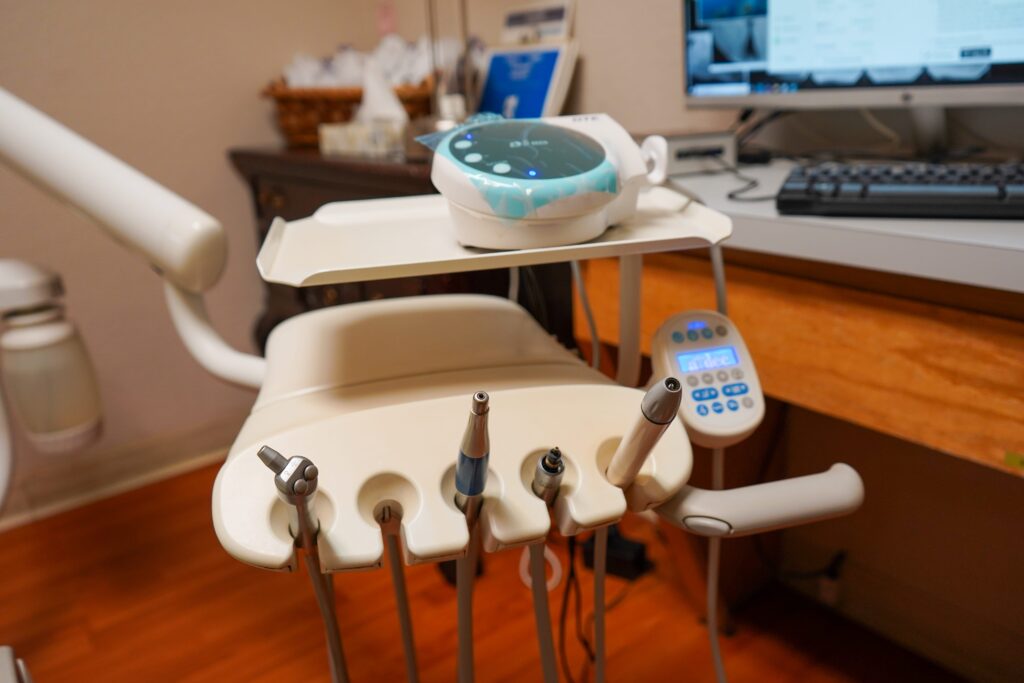
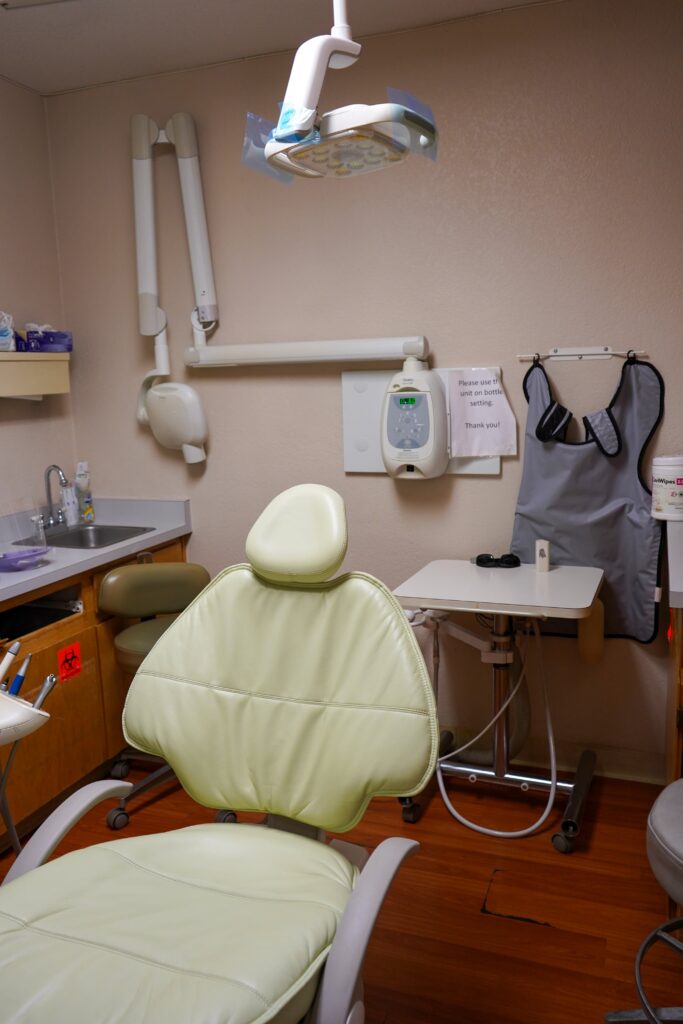
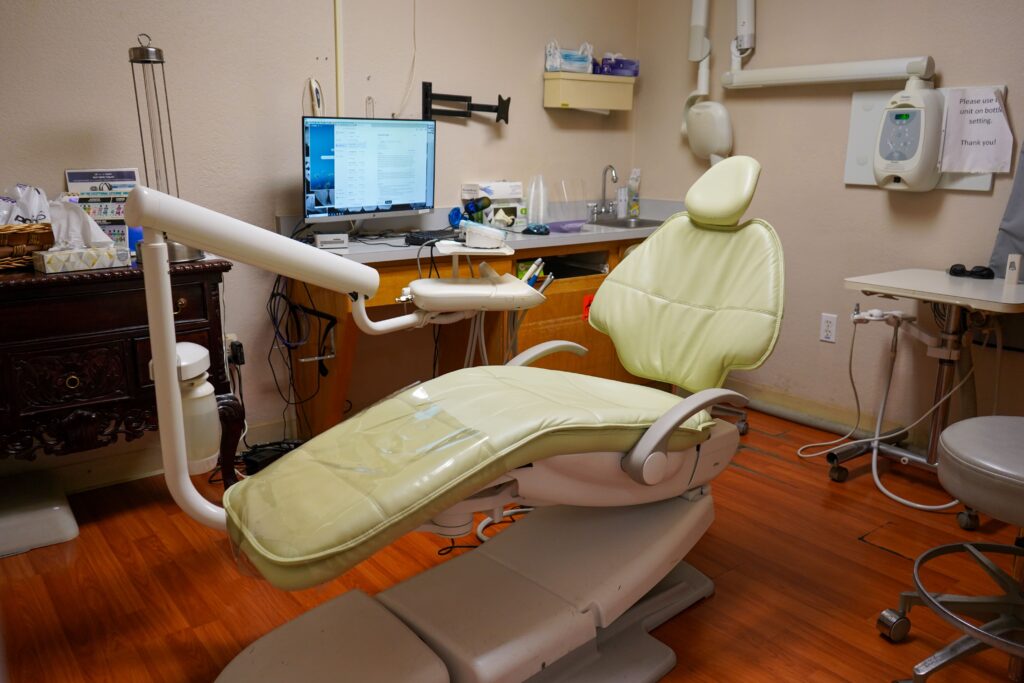
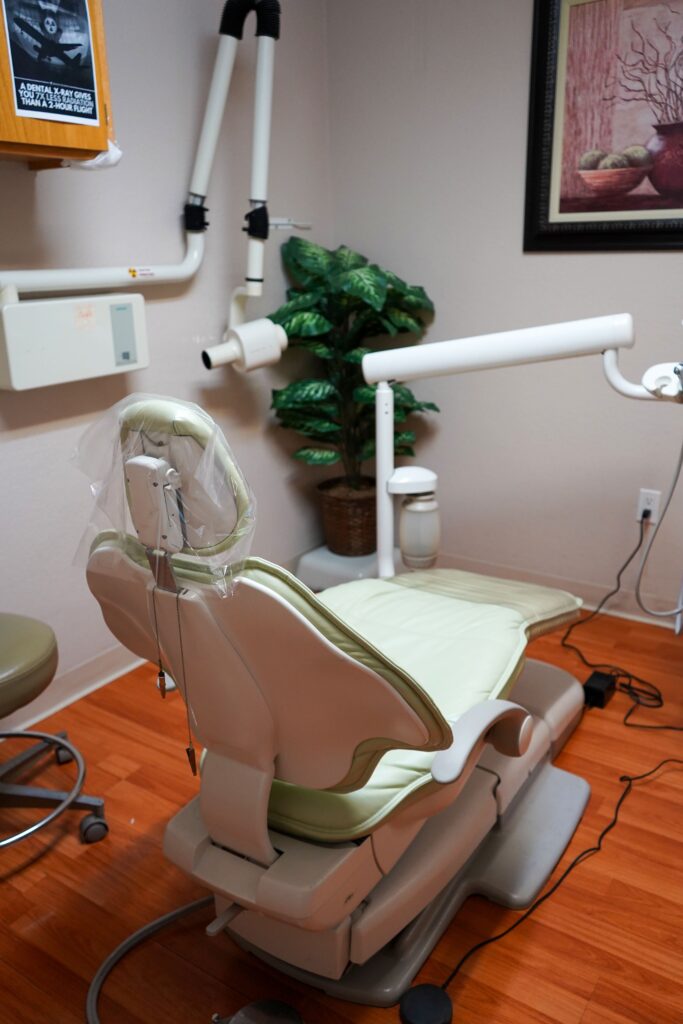
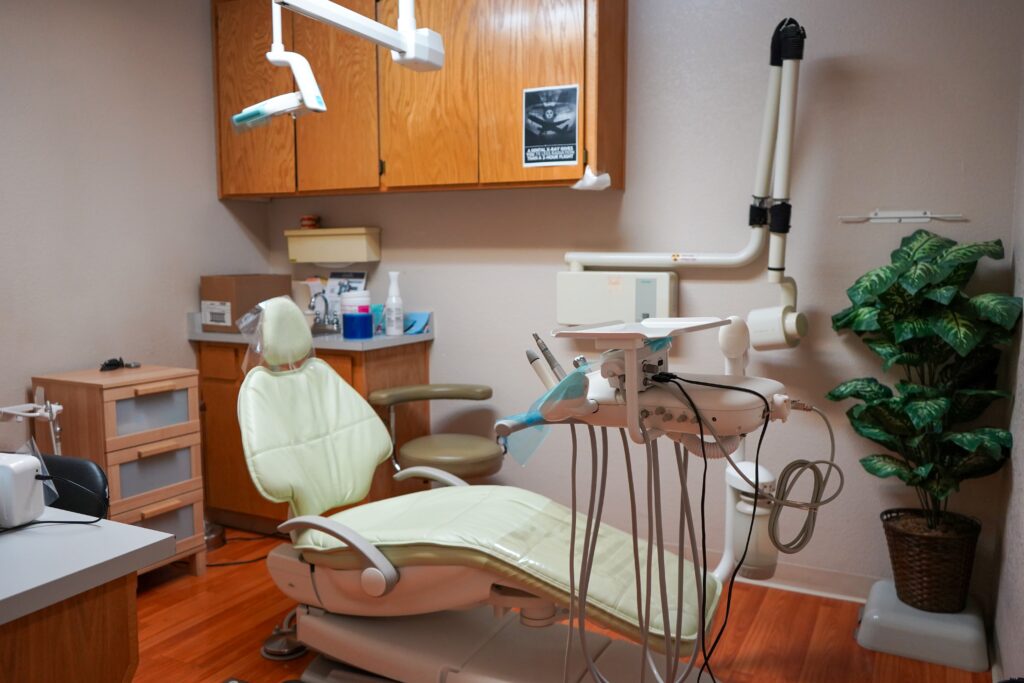
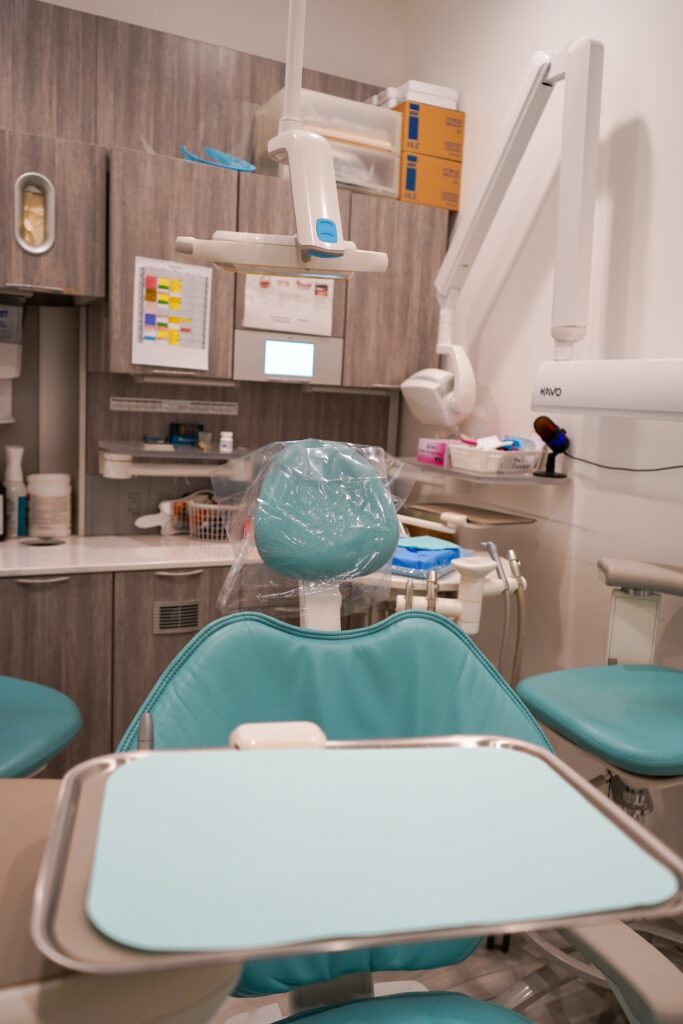
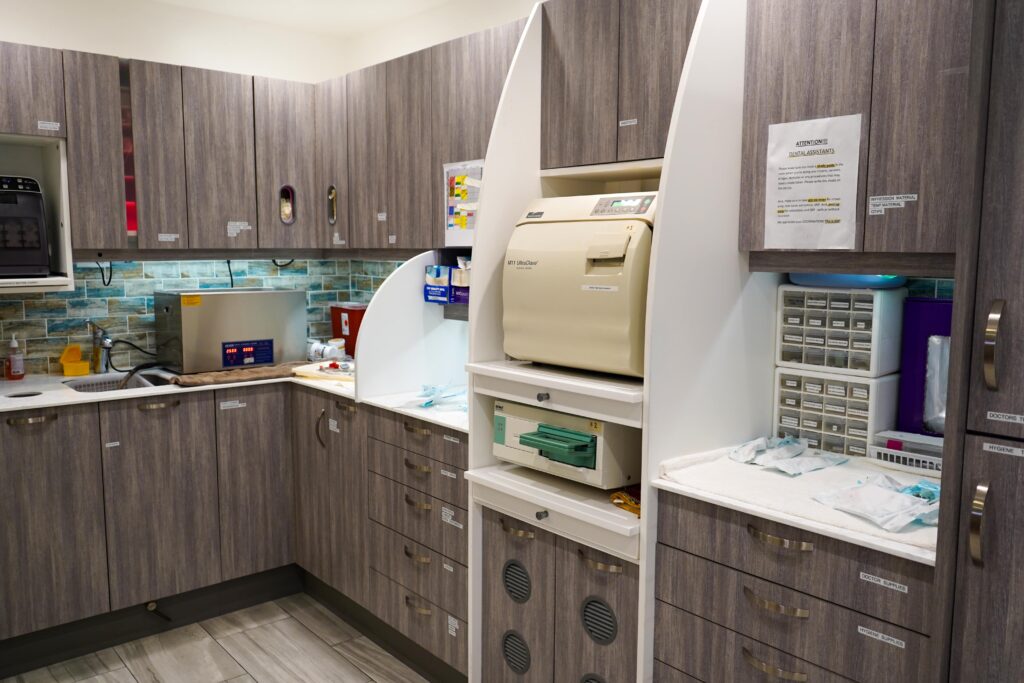
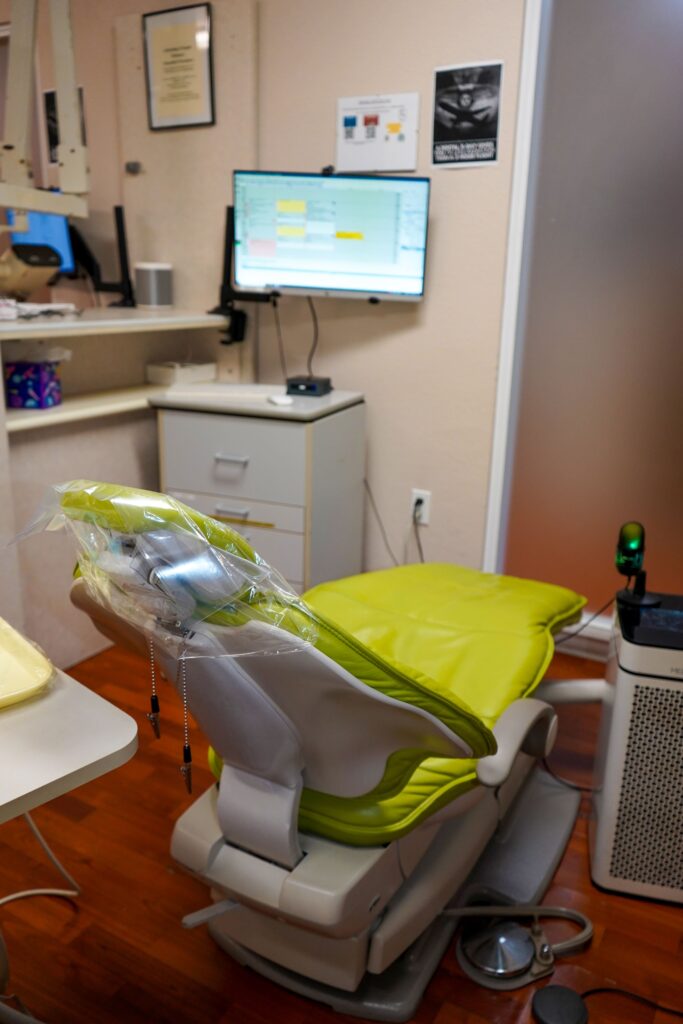
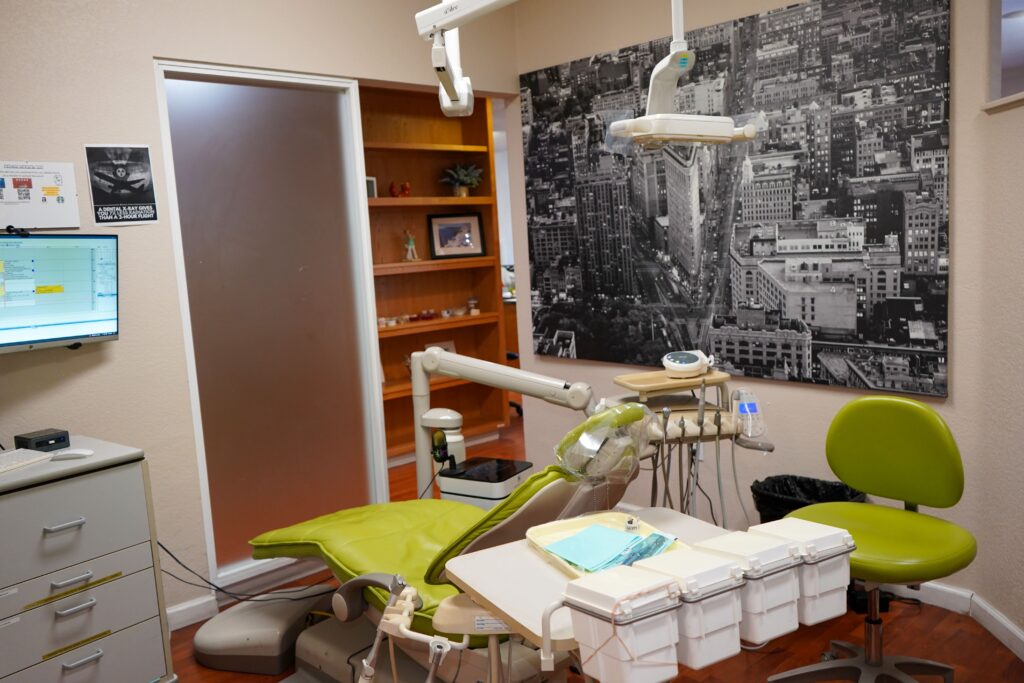
Our office runs on the latest technology — digital X-rays, 3D CBCT imaging — which means more accurate diagnoses, better-planned surgeries, and faster recoveries for you. We’ve also got hospital-grade air filtration systems (we think that’s essential given the Central Valley’s air quality challenges) and follow rigorous sterilization protocols that go beyond standard requirements.

Most patients recover from a simple extraction within one to two days and can return to normal activities quickly. Full healing of the extraction site takes about one to two weeks. Staying hydrated and following aftercare instructions helps ensure a smooth recovery.
A simple extraction removes a tooth that is fully visible above the gum line, using elevators and forceps. A surgical extraction is needed when a tooth is impacted, broken below the gum line, or has complex root anatomy, requiring an incision in the gum tissue and sometimes bone removal for safe extraction.
After tooth loss, the jawbone in that area begins to shrink — up to 25% of bone width can be lost in the first year alone. Bone grafting rebuilds this lost bone to create a strong, stable foundation for dental implants. Without adequate bone volume, implants cannot be placed safely.
Bone graft integration typically takes three to six months. During this time, your body gradually replaces the graft material with your own living bone tissue. Dr. Zhao monitors healing progress with periodic imaging before proceeding with implant placement.
A sinus lift is a specialized bone grafting procedure for the upper jaw. It’s needed when there isn’t enough bone height in the upper premolar or molar area to support dental implants, often because the sinus cavity has expanded into the space where bone used to be after tooth loss.
Our staff speaks Cantonese, Chinese, Tagalog, and Spanish in addition to English. We believe language should never be a barrier to understanding your dental treatment, especially during stressful situations like oral surgery or dental emergencies.
At Smiles Dental Spa, patient comfort is a priority. While deep cleanings can sometimes cause mild sensitivity or tenderness afterward, Dr. Zhao provides thorough aftercare guidance and pain relief solutions. Our team ensures that every office visit is smooth and convenient while maintaining your long-term oral health. Early detection and treatment are crucial, as disease refers to underlying health conditions that can affect your gums, teeth, and overall dental well-being.

Expert maxillofacial surgeons with a focus on patient comfort and safety

Advanced technology for accurate, safe diagnostics

Comprehensive diagnostics with 3D imaging technology

Supportive aftercare, including guidance on soft tissues and soft foods, to ensure smooth recovery

Convenient Tracy dentist location with easy scheduling via NexHealth
We thrive on patient feedback! See what your neighbors in Tracy have to say about their experience, and if you have a moment, please leave us a review—we appreciate you taking the time!
If you need tooth extractions, bone grafts, sinus lifts, or other oral and maxillofacial surgical procedures, Dr. Shirley Zhao and Smiles Dental Spa are here to help. Call (209) 836-1748 or book your consultation online via NexHealth. Visit us at 1431 N Tracy Blvd, Tracy, CA 95376—your trusted partner for expert dental care.


1431 N Tracy Blvd
Tracy, CA 95376