



SERVICES
Bone Grafting in Tracy, CA
Trusted Oral Surgery
Why Jaw Bone Loss Happens After a Missing Tooth
Your jaw bone needs a job to do. Every time you chew, bite down, or even clench a little, the roots of your teeth send pressure into the bone. That pressure tells your body to keep rebuilding bone cells in that spot. Pull a tooth out and that signal disappears.
Without that stimulation, your body starts absorbing the bone. It basically decides the bone isn’t needed anymore and redirects those resources elsewhere. We see this every single week at our office on Tracy Blvd. Someone comes in months or even years after losing a tooth, and the ridge where it used to sit has shrunk down noticeably.
Here’s what actually drives the loss:
- No root pressure means no signal to maintain bone density
- Gum tissue fills the empty socket but can’t replace hard bone structure
- Neighboring teeth start shifting into the gap, changing your bite
- The longer you wait, the more bone volume disappears
Research shows you can lose up to 25% of bone width in the first year after extraction alone. That number keeps climbing with time. So a gap that seems like no big deal right now becomes a real problem when you’re ready for dental implants down the road.
And it’s not just about implants. Bone loss changes the shape of your face. Patients from the Lincoln West neighborhood come in wondering why their chin looks different or their cheeks seem sunken. Nine times out of ten it traces back to missing teeth they never replaced.
Think about it this way. A tooth isn’t just for chewing, it’s an anchor holding everything in place. Remove the anchor and the ground underneath erodes. That’s bone grafting’s whole purpose. We rebuild what your body took away so you’ve got a solid foundation again.
Not sure if bone loss has already started for you? That’s actually pretty common. Most people don’t feel it happening. A quick 3D dental imaging scan at our Tracy office shows exactly how much bone you’re working with and whether bone grafting makes sense as your next step.


Your Trusted Tracy Dentist
Since 2013
Educational
The Right Time to Act Is Sooner Than Most Patients Expect
Most people who sit in our chair at 1431 N Tracy Blvd Tracy don’t realize how fast jawbone loss happens. It starts the moment a tooth comes out. And it doesn’t slow down on its own.
We see this every single week. A patient comes in six months after an extraction, ready for a dental implant. But the bone has already shrunk. Now they need bone grafting before we can even talk about the implant itself. That delay costs time and adds another healing phase to the process.
Here’s what actually happens inside your jaw after tooth loss:
- Within the first 30 days, the empty socket starts to collapse inward.
- By three months, you’ve already lost noticeable bone width.
- At six months, the ridge can look sunken, and the bone density drops further.
- After a year, patients can lose up to 25 percent of bone width in the affected area.
That timeline surprises people. It surprised me early in my career. The body is efficient. If it doesn’t need that bone anymore, it starts pulling minerals away from it fast.
So when’s the best time for bone grafting? Right at extraction. We call it a socket preservation graft. We place the graft material into the socket the same day the tooth comes out. Your body heals around it, the bone volume stays intact, you’re set up for whatever comes next. Patients near the Lincoln West neighborhood who’ve had teeth pulled elsewhere often wish someone had mentioned this option sooner.
Not sure if you’ve waited too long? That’s actually pretty common. The good news is bone grafting can rebuild what’s been lost even months or years later. It just takes a bit more planning. But the earlier you act, the simpler the procedure tends to be, the faster recovery goes.
Don’t wait for pain to tell you something’s wrong. Bone loss doesn’t hurt. It just quietly changes the shape of your jaw until your options get smaller.
What the Bone Grafting Process Looks Like Step by Step
People always ask us what actually happens during bone grafting. Fair enough. Nobody wants to walk in blind. Here’s exactly how it goes at our office on 1431 N Tracy Blvd Tracy.
- We start with imaging. Our 3D dental imaging gives us a clear picture of your jawbone. We can see exactly where the bone is thin, how much we need to add, and what type of graft material fits your situation best.
- You get numb. We use local anesthesia so you don’t feel a thing. We also offer nitrous oxide if you’re the type who gets nervous just sitting in the chair. No shame in that.
- We open the site. A small incision in the gum tissue exposes the bone underneath. It’s a controlled, precise step that takes just a few minutes.
- The graft material goes in. We place the bone graft material right where your jaw needs it most. Then we secure it with a membrane that keeps everything in place while your body does the healing work.
- We close and clean up. A few sutures, some gauze, and you’re done. Most patients tell us it was easier than they expected.
The whole bone grafting appointment usually runs about 45 minutes to an hour. Not a full-day ordeal.
Nine times out of ten, what surprises people most is how little discomfort there is during the procedure itself. The recovery period matters more than the appointment. You’ll have some swelling for a few days, maybe mild soreness. We send you home with clear instructions so you know exactly what to do and what to watch for. But the actual time in the chair? Pretty straightforward.
After the graft, your jawbone needs time to integrate with the new material. That healing window usually takes three to six months, it depends on the size and location of the graft. Patients near the Lincoln West neighborhood sometimes stop in for a quick check during this phase. We monitor your progress with follow-up visits to make sure the bone is growing in strong before moving to the next step, whether that’s dental implants or another restoration.
Wondering if you’re ready to get started? Give us a call and we’ll walk you through it.
Recovery After Bone Grafting: What the First Weeks Feel Like
Most people expect the worst. They really do.
But here’s what we hear over and over at our office on 1431 N Tracy Blvd Tracy: “That wasn’t nearly as bad as I thought.” The first 48 hours are the toughest part. After that, it gets easier fast. Your body is already doing the hard work of building new bone, you just need to stay out of its way for a bit.
The First Few Days
Some swelling is normal. So is mild soreness around the graft site. We send you home with clear instructions and everything you need to manage discomfort. Cold packs help a lot during the first day or two. Most of our Tracy patients tell us they only needed over-the-counter pain relief after the first 24 hours.
Here’s what to expect during early recovery from bone grafting:
- Rest for the first day. Skip the gym, skip yard work, skip anything that raises your heart rate.
- Stick to soft foods for about a week. Think yogurt, scrambled eggs, mashed potatoes.
- Don’t touch the graft site with your tongue or fingers. Leave it alone.
- Avoid using a straw. The suction can disturb the healing area.
- Come back for your follow-up visit so we can check how things look.
Nine times out of ten the healing goes smooth. We keep a close eye on every patient during those first couple of weeks because that’s when it matters most.
Weeks Two Through Six
By the second week, most swelling is gone. You can start eating more normal foods. The graft site still needs time to mature, but daily life feels pretty much back to normal for folks in the Lincoln and Banta neighborhoods who’ve been through this with us.
And this is the part people forget. Bone grafting isn’t instant. The graft material needs months to fully fuse with your natural bone. Full bone integration can take three to six months depending on the size and location of the graft. That timeline sounds long, but you won’t feel it. You’re living your life while your jaw quietly rebuilds itself underneath.
We schedule check-ins during this window. Quick visits, nothing complicated. We want to make sure the graft is doing what it should before we move forward with dental implants or whatever your next step looks like. Patience here pays off big later.
Upper Jaw Grafts and the Sinus Lift Connection
Your upper jaw is a different animal. The bone between your tooth roots and your sinus cavity can be paper-thin, and once a back tooth is gone, that bone shrinks fast. We see this constantly at our office on 1431 N Tracy Blvd Tracy. A patient comes in wanting an implant in the upper back area, and the scan shows barely a few millimeters of bone holding things together.
That’s where a sinus lift comes in.
A sinus lift is really just bone grafting with an extra step. We gently move the sinus membrane upward to create room, then pack graft material underneath it. The new bone fills in that gap between your jaw and the sinus floor. Without it, placing an implant back there would be like screwing into drywall with no stud behind it. Nothing to hold onto.
Here’s what makes upper jaw grafts different from lower jaw grafts:
- The bone in your upper jaw is naturally softer and less dense
- The sinus cavity limits how much vertical bone you have to work with
- Healing can take a bit longer because the graft needs to integrate in softer tissue
- Post-op care includes avoiding anything that creates pressure in your sinuses, like blowing your nose hard or sneezing with your mouth closed
Nine times out of ten, patients don’t realize they need a sinus lift until we show them the 3D dental imaging. That scan tells us exactly how much bone is there and how much we need to build. Folks in the Lincoln and Banta neighborhoods who’ve put off replacing upper back teeth for years are usually the ones who need this most. The longer you wait, the more the bone resorbs.
But here’s the good news. A sinus lift and bone grafting can often happen in the same visit. We place the graft, let it heal for several months, then you’re ready for your implant. The whole process is predictable. Sinus lift procedures have a high success rate when performed correctly.
Recovery feels similar to a standard bone graft. Some swelling, mild pressure around the cheek area, nothing most people can’t manage. We’ll walk you through every detail before we start so there aren’t any surprises at our 1431 N Tracy Blvd Tracy office.
FAQ
Common Questions
How do I know if I need bone grafting before getting a dental implant in Tracy?
A 3D dental imaging scan at our office on 1431 N Tracy Blvd Tracy will show exactly how much bone you have left. Most patients don’t feel bone loss happening at all. That’s what makes it tricky. If you’ve had a tooth missing for more than a few months, there’s a good chance some bone has already shrunk. We look at the scan and tell you straight up whether grafting is needed before we can place an implant.
What is the best time to get a bone graft after a tooth extraction?
The best time is the same day your tooth comes out. We call this a socket preservation graft. We place the graft material right into the empty socket before your body starts absorbing the bone. This keeps your jaw volume intact and sets you up for a smoother implant process later. Waiting even a few months means more bone loss, which usually means a bigger graft and a longer healing time.
What should I expect during my bone grafting appointment at your Tracy office?
You can expect a straightforward visit that runs about 45 minutes to an hour at our office on 1431 N Tracy Blvd Tracy. We numb the area first so you don’t feel pain during the procedure. We also offer nitrous oxide if you feel nervous. Most patients are surprised by how easy the appointment itself is. The recovery period after is where you’ll notice more — some swelling and mild soreness for a few days, but nothing unmanageable.
How long does it take for a bone graft to heal before I can get an implant?
Healing after bone grafting usually takes three to six months, depending on the size and location of the graft. Your jawbone needs that time to grow into and around the new graft material. We monitor your progress with follow-up visits so we know exactly when you’re ready for the next step. Rushing this phase is not worth it — a fully healed graft gives your implant the strongest possible foundation.
Does bone grafting hurt, and what does recovery look like?
The procedure itself does not hurt because we fully numb the area before we start. Recovery is usually mild. You’ll likely have some swelling for two to three days and maybe some soreness around the graft site. We send you home with clear instructions on what to eat, what to avoid, and what signs to watch for. Most patients in Tracy are back to their normal routine within a few days after the appointment.
Can bone grafting fix jaw bone loss that happened years ago from a missing tooth?
Yes, bone grafting can rebuild bone even if the tooth has been missing for years. It takes a bit more planning than a same-day socket graft, but it absolutely works. We see patients from neighborhoods like Lincoln West who lost teeth a long time ago and never replaced them. The jaw has changed shape, but grafting can restore the volume needed for implants. The earlier you act, the simpler the process — but it’s rarely too late to start.
Visit Us Today
Schedule an Appointment for Bone Grafting
Maintain the stability and appearance of your newly aligned smile. Contact Smiles Dental Spa to schedule an appointment for dental retainers and space maintainers with Dr. Shirley Zhao.
Contact our office at (209) 836-1748 or conveniently schedule your appointment online through NexHealth. Visit us at 1431 N Tracy Blvd, Tracy, CA 95376—trusted care tailored for your family.

Phone

Location
1431 N Tracy Blvd
Tracy, CA 95376
Maintaining Alignment After Orthodontic Treatment
How Retainers Work
Custom-made to comfortably fit your mouth, orthodontic retainers hold your teeth steady while your jawbone hardens around them in the correct position. This prevents relapse, maintaining your hard-earned results for a lifetime.
Dr. Zhao will highly recommend the best type of retainer for your unique treatment plan and lifestyle. For children who have lost a baby tooth, she may also include space maintainers to preserve proper spacing until the permanent teeth erupt. Patients typically wear retainers full-time at first, then transition to nighttime wear for ongoing maintenance.
Types of Retainers
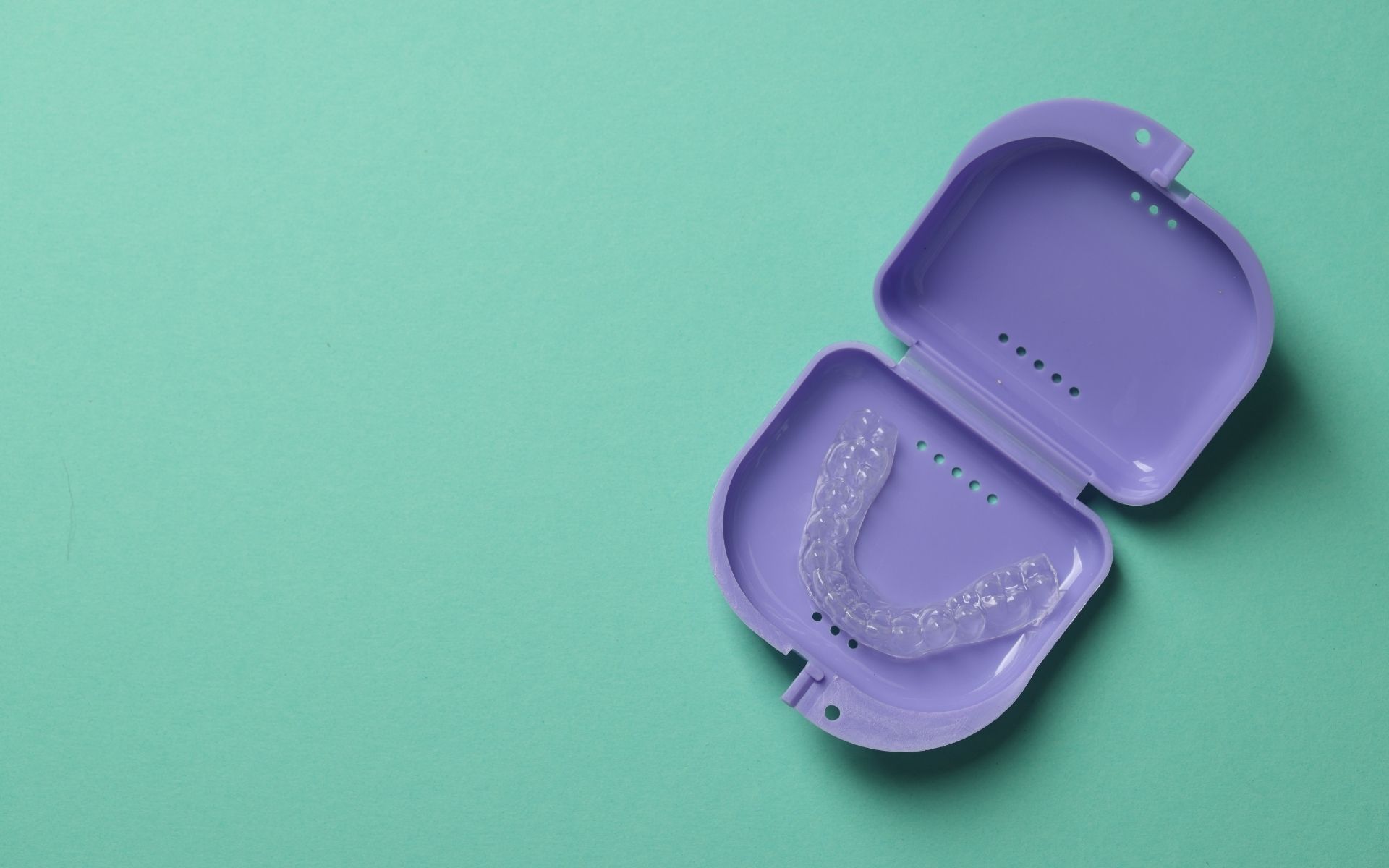
Clear Retainers (Essix)
Transparent, removable plastic retainers that fit snugly over your teeth. Discreet, easy to clean, and ideal for patients seeking a low-profile option, including those with artificial teeth.
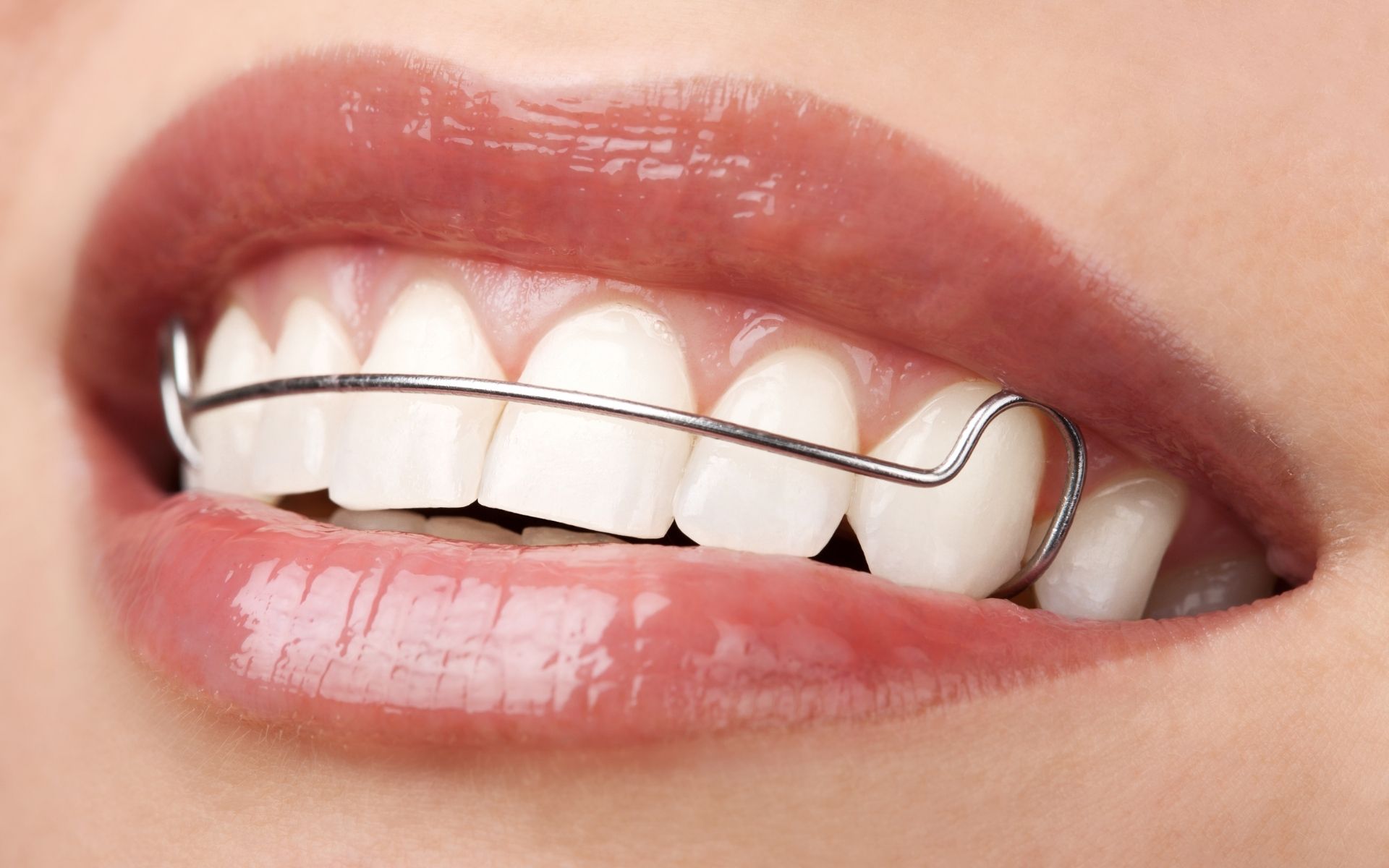
Hawley Retainers:
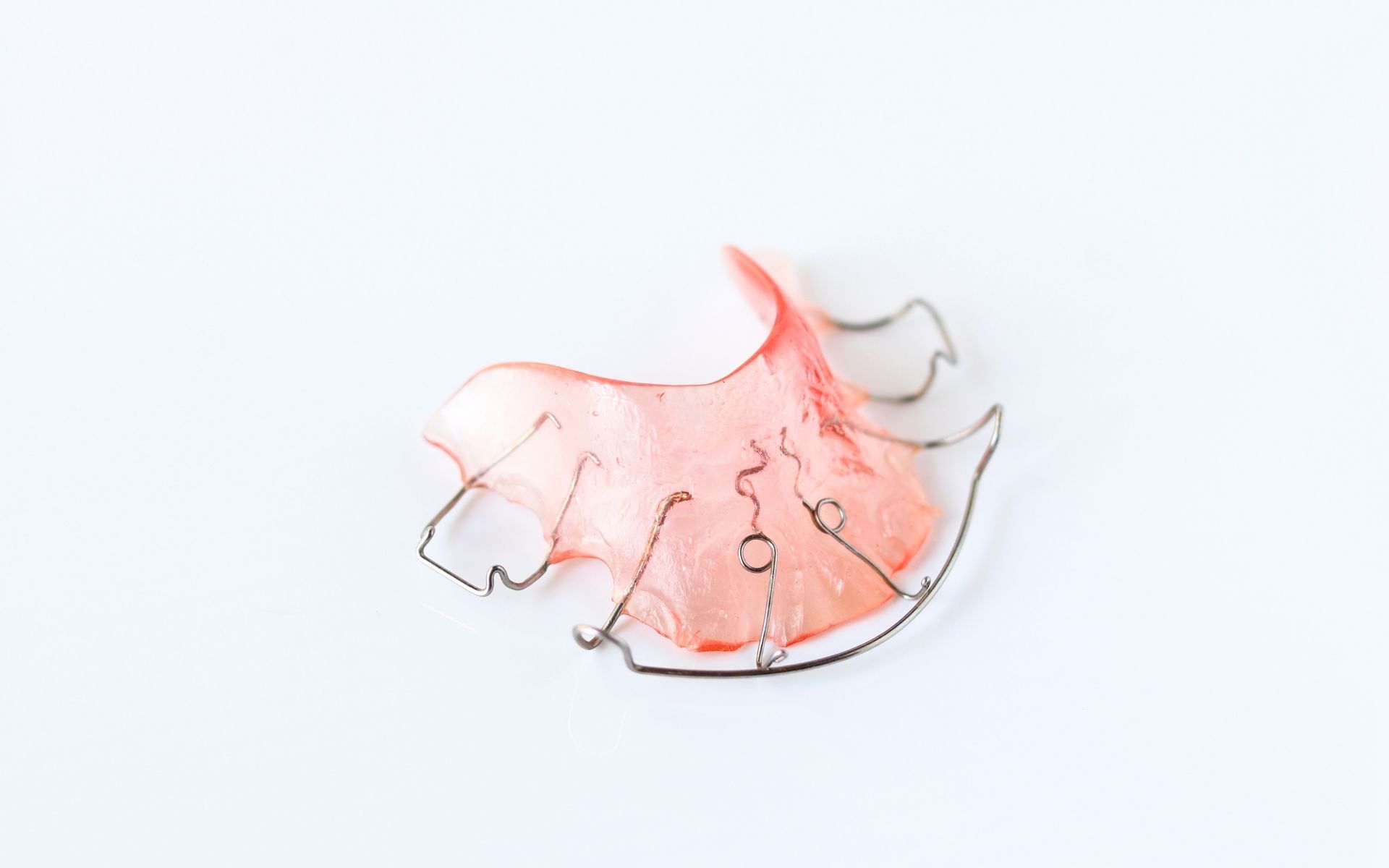
Made with a durable plastic base and metal wire, adjustable and long-lasting. They allow your bite to settle and provide a customizable fit.
Fixed Retainers
Thin wires bonded permanently to the back of your front teeth, offering continuous support without needing to remember wear time. Patients must maintain careful hygiene to prevent plaque buildup, especially around artificial teeth.
Simple Daily Habits for Long-Lasting Results
Caring for Your Retainers and Space Maintainers
Proper oral hygiene is essential for retainers and space maintainers to function well and stay comfortable:
- Brush and floss thoroughly, including around appliances
- Clean removable space maintainers daily with a soft toothbrush and mild soap
- Avoid heat or hot water that could deform plastic retainers
- Schedule regular office visits to check fixed retainers and space maintainers
- Follow Dr. Zhao’s instructions precisely for wear time and care
Maintaining your appliances protects your investment and ensures your smile stays healthy and aligned.