




SERVICES
Root Canal Treatment in Tracy
Oral Exams
Signs Your Tooth Pain May Need More Than a Filling
That dull ache that won’t quit? It’s trying to tell you something.
We see patients at our Tracy office every week who waited because they figured the pain would go away on its own. Nine times out of ten, it didn’t. A filling fixes decay on the surface. But when infection reaches the pulp, the soft tissue deep inside your tooth, a filling can’t touch it. Root canal treatment is what saves the tooth at that point. Knowing the difference early can save you a lot of discomfort and a lot of time in the chair.

Your Trusted Tracy Dentist
Since 2013
What to Watch For
Not all tooth pain means the same thing. Here are the signs that point toward something deeper than a cavity:
- Sharp, throbbing pain that wakes you up at night or hits when you bite down
- Sensitivity to hot or cold that lingers for more than a few seconds after you stop eating or drinking
- A dark spot or grayish color on the tooth itself
- Swelling in the gum around one specific tooth, sometimes with a small bump that looks like a pimple
- Pain that spreads to your jaw, ear, or temple on one side
Any one of these can mean the nerve inside the tooth is inflamed or infected. And if you’re dealing with two or three of them at the same time, don’t wait another week.
Here’s a scenario we run into constantly at our Tracy office. Someone comes in thinking they cracked a tooth eating something hard. They point to the spot, we take digital dental x-rays, and the image shows infection wrapped around the root. The crack was actually a symptom, not the cause. The real problem had been building for months.
So how do you know for sure? You can’t, not without an exam. That’s actually okay. What matters is paying attention when your body sends a clear signal. A tooth that hurts only when you chew candy is different from a tooth that throbs while you’re sitting still watching TV. The second one is the one that needs attention now.
But here’s the good news. Catching it early makes root canal treatment simpler, faster, and way more comfortable than most people expect.
Educational
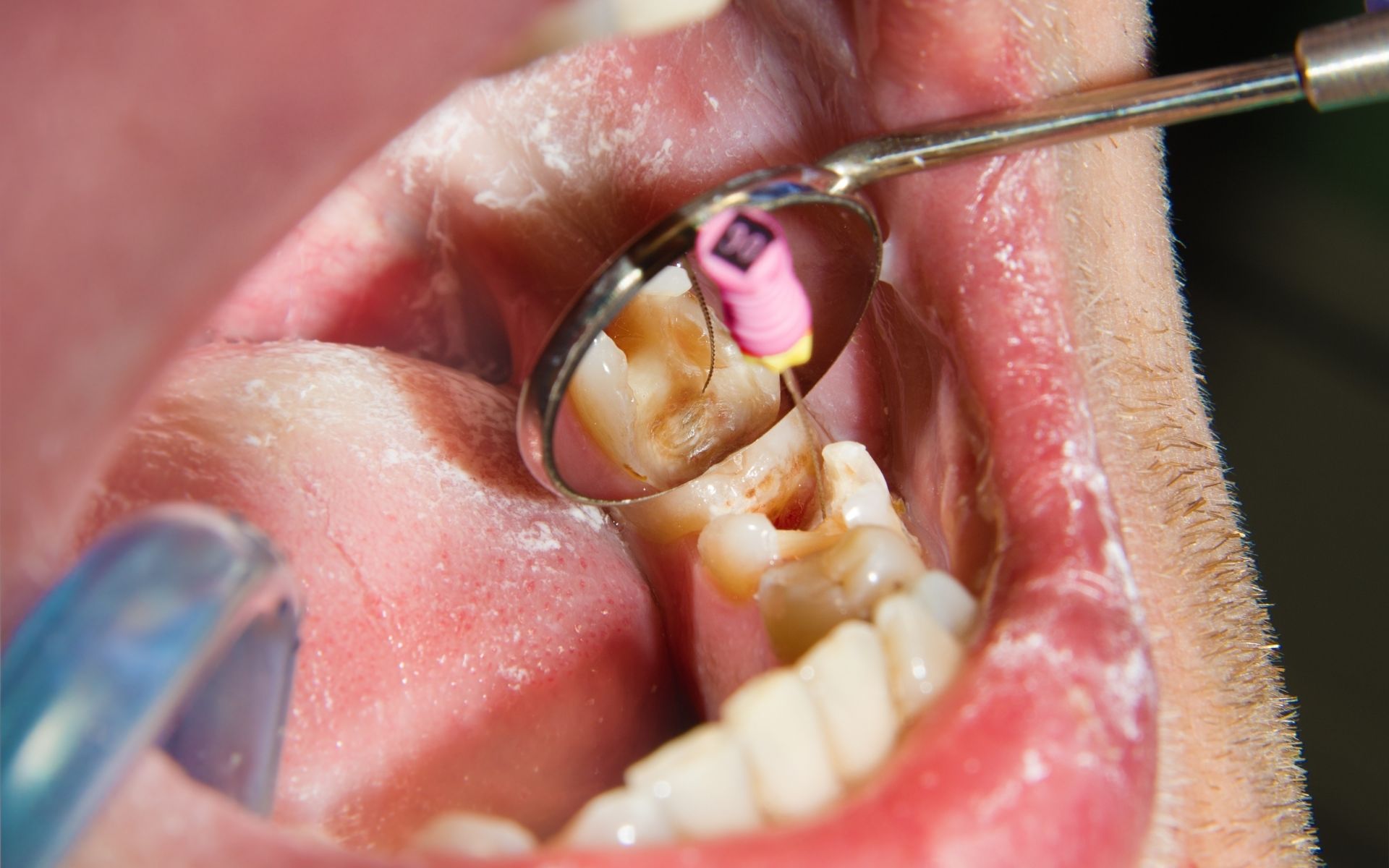
What Root Canal Treatment Actually Involves, Step by Step
Most people dread root canal treatment because they don’t know what happens. That’s fair. So let’s walk through it the way we’d explain it to you right here at our office on Tracy Blvd.
The whole process is simpler than you think.
- We numb the area completely. You won’t feel sharp pain. We use local anesthetic around the tooth, and we also offer nitrous oxide if you need extra help relaxing. We don’t start until you tell us you’re ready.
- We isolate the tooth. A small rubber sheet goes around it. This keeps the area dry and clean while we work. It looks a little odd, but it makes everything safer.
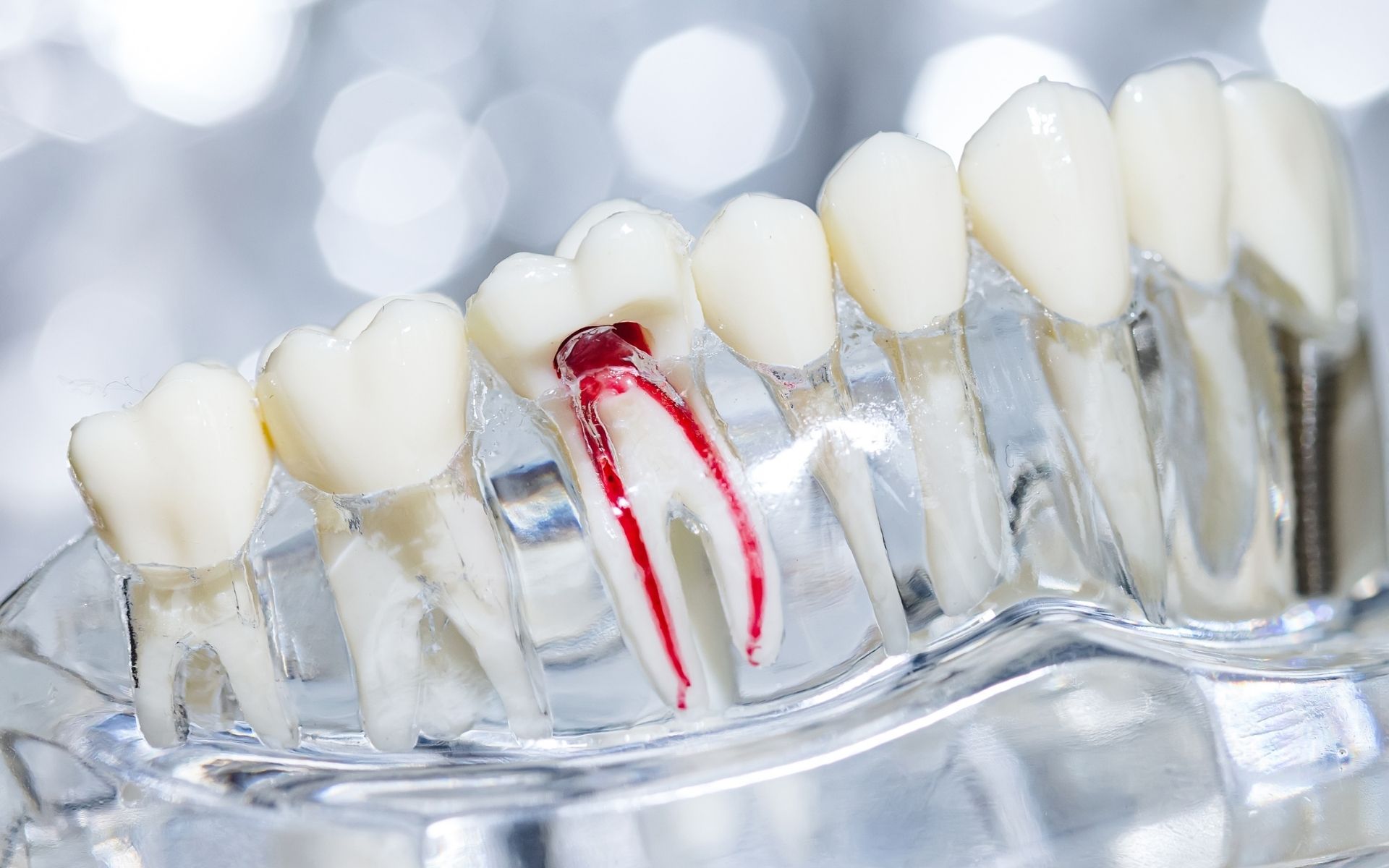
- We open the top of the tooth. A tiny access point lets us reach the pulp chamber inside. That’s where the infected nerve tissue lives.
- We clean out the canals. Using small, flexible instruments, we remove all the damaged pulp. Then we shape the canals and flush them with a disinfecting solution. Nine times out of ten, this is the part patients are surprised by. They expected it to hurt. It doesn’t.
- We fill and seal the canals. A rubber-like material called gutta-percha goes inside. This prevents bacteria from getting back in.
- We place a temporary or permanent restoration. Most teeth that go through root canal treatment need a dental crown afterward to stay strong. We’ll talk about timing for that before you leave.
The whole appointment usually takes about an hour for a single canal. Molars with multiple canals can run a bit longer. But you’re comfortable the entire time, we make sure of that at our Tracy office near the Lincoln neighborhood.
Here’s something we tell every patient. The infection inside your tooth is what’s causing your pain right now. Root canal treatment removes that infection. So the procedure itself is actually the relief, not the problem.
And afterward? Most people go back to normal activities the next day. Some mild soreness is common for a couple of days. Over-the-counter pain relief handles it for almost everyone.
Keeping Treatment In-House from Diagnosis to Crown
Getting sent across town for a root canal treatment is frustrating. You’ve already taken time off work. You’ve already sat in a chair and heard the news. Now somebody wants you to start over somewhere else with a doctor who doesn’t know you.
We don’t do that here.
At our office on Tracy Blvd, we handle every step of your root canal treatment under one roof. From the moment we spot the problem on our digital dental X-rays to the day we place your final dental crown, you’re with the same team. Same faces. Same records. No referral runaround.
What That Actually Looks Like
Here’s how it plays out when you come in with a tooth that needs saving:
- We take 3D dental imaging to see the full root structure and confirm infection.
- Our doctor reviews the scan with you right there, so you see exactly what’s going on.
- We schedule your root canal treatment, often within a few days.
- After the procedure, we prep the tooth for a dental crown at that same visit.
- You come back for your permanent crown placement, and you’re done.
Two visits. One office. That’s it.
I can’t tell you how many patients we see from the Lincoln and Banta neighborhoods who’ve been bounced between a general dentist and a specialist for weeks. By the time they find us, they’re tired of repeating their story. And, that back-and-forth creates gaps where infections can get worse. We see this every single week.
But keeping everything in-house isn’t just about convenience. It’s about communication. When one doctor handles your diagnosis, your root canal treatment, and your crown, nothing falls through the cracks. There’s no fax that got lost, no imaging CD that won’t load on another office’s system. Your 3D scans live right here in Tracy, ready the second we need them.
So does it really matter where you get it done? It does. Fewer handoffs mean fewer mistakes, faster healing, and less time sitting in waiting rooms. Our team already knows your mouth, your history, your concerns. That matters more than people realize.
When a Toothache Becomes a Dental Emergency
Not every toothache means you need a root canal treatment. But some pain shouldn’t wait until Monday.
We see patients at our Tracy office every week who waited too long. They thought the ache would go away on its own. Maybe it did for a day or two. Then it came back worse. By the time they call us, the infection has spread deeper into the tooth, and what could’ve been a simple fix turns into something bigger. Here’s what we tell people: if the pain changes, pay attention.
There’s a difference between a dull ache and the kind of throbbing that wakes you up at 2 a.m. A tooth that hurts when you bite down on something hard is one thing. A tooth that sends sharp, shooting pain through your jaw when you drink cold water is something else entirely. And swelling near the gum line or along your cheek? That’s your body telling you infection is present.
Watch for these signs that a toothache has crossed into emergency territory:
- Pain that doesn’t respond to over-the-counter medication
- Swelling in your face, jaw, or gums
- A small bump on the gum that looks like a pimple
- Fever along with tooth pain
- A tooth that feels loose or “different” when you press on it
Nine times out of ten, these symptoms point to an infected nerve inside the tooth. That’s exactly what root canal treatment addresses. The pulp tissue inside has broken down, bacteria have moved in, and the pressure builds with nowhere to go. According to the American Association of Endodontists, more than 15 million root canal treatments are performed each year in the U.S. alone. It’s one of the most common dental procedures, and it exists because this exact situation happens so often.
Folks in the Lincoln neighborhood and across Tracy sometimes try to tough it out. We get it. But an abscess won’t heal on its own, it only gets worse. If you’re dealing with any of those symptoms, come see us on N Tracy Blvd before the infection spreads to surrounding bone or tissue. Early action saves the tooth. Waiting risks losing it.
Protecting Your Tooth After Root Canal Treatment
The procedure itself is only half the job. What you do in the days and weeks after matters just as much. We tell every patient who leaves our office on Tracy Blvd the same thing: treat this tooth right, and it can last you decades.
For the first 48 hours, stick to soft foods. Scrambled eggs, yogurt, soup. Chew on the opposite side. Your tooth might feel a little tender, that’s normal. But sharp or throbbing pain that gets worse? Call us right away.
Why a Crown Matters
After root canal treatment, the tooth loses its internal blood supply. It gets brittle over time. A dental crown covers and protects it from cracking under normal chewing pressure. We see patients every month in Tracy who skipped the crown and ended up needing an extraction a year later. Don’t let that be you.
Most of the time, we’ll place a temporary filling the same day. Then you’ll come back for your permanent dental crown within a few weeks. That window matters. The longer you wait, the higher the risk of fracture or reinfection.
Here’s what helps your recovery go smoothly:
- Avoid hard or crunchy foods until your crown is placed
- Keep brushing and flossing gently around the treated tooth
- Don’t skip your follow-up appointment
- Take any prescribed medication on schedule
And if you grind your teeth at night, let us know. That’s a big deal after root canal treatment. Grinding puts extra force on a tooth that’s already vulnerable. We can talk about options to protect it while you sleep.
Nine times out of ten, patients who follow through with aftercare have zero problems long-term. The ones who cancel the crown appointment or ignore mild symptoms are the ones we end up seeing again for something bigger. Folks in the Lincoln neighborhood and across Tracy trust us because we’re honest about this stuff. We’d rather you spend a little more time now than face a tougher fix later.
Got questions about what to expect after your visit? Give us a call. We’re right here on N Tracy Blvd and happy to walk you through it.
FAQ
Common Questions
How do I know if I need a root canal or just a filling?
If your tooth pain lingers after eating or drinking, throbs while you’re sitting still, or wakes you up at night, you likely need more than a filling. A filling handles surface decay. When infection reaches the pulp inside the tooth, only root canal treatment can fix it. The only way to know for sure is an exam with digital X-rays. Don’t guess — come in and let us show you exactly what’s happening.
Does root canal treatment hurt?
Root canal treatment does not hurt the way most people expect. We fully numb the area before we start, and we also offer nitrous oxide if you need extra help relaxing. The infection already inside your tooth is what’s causing your pain. The procedure removes that infection, so it’s actually the relief. Most patients at our Tracy Blvd office are surprised by how comfortable the whole appointment feels.
What should I bring or do to prepare for my root canal appointment at 1431 N Tracy Blvd Tracy?
Eat a light meal before your appointment since the numbing can last a few hours after. Bring your insurance card and a list of any medications you take. Wear comfortable clothes. Plan to have someone drive you home if you choose nitrous oxide. At our office on Tracy Blvd, parking is easy and the check-in process is quick. We’ll walk you through every step before we begin so nothing feels like a surprise.
How long does recovery take after root canal treatment?
Most people feel back to normal within one to two days after root canal treatment. Some mild soreness around the treated tooth is common for a couple of days. Over-the-counter pain relief handles it for almost everyone. Avoid chewing hard foods on that side until your permanent crown is placed. We’ll go over all of this with you before you leave our Tracy office so you know exactly what to expect.
Do patients near the Lincoln neighborhood in Tracy really need to travel for a root canal specialist?
No, you do not need to travel to another city for root canal treatment. Our office on Tracy Blvd handles everything from diagnosis to crown placement in one place. Patients from the Lincoln and Banta neighborhoods come to us and skip the specialist referral entirely. You get 3D imaging, the root canal procedure, and your dental crown all with the same team. No repeating your story. No driving across town.
How soon can I get a root canal appointment in Tracy?
We can usually schedule root canal treatment within a few days of your exam at our Tracy Blvd office. If you’re in pain right now, call us and let us know. We do our best to see urgent cases quickly. Waiting makes infections worse, and a tooth that could be saved today may not be saveable next month. The sooner you call, the simpler and faster the whole process tends to be.
Visit Us Today
Schedule an Appointment for Root Canal Treatment
Maintain the stability and appearance of your newly aligned smile. Contact Smiles Dental Spa to schedule an appointment for dental retainers and space maintainers with Dr. Shirley Zhao.
Contact our office at (209) 836-1748 or conveniently schedule your appointment online through NexHealth. Visit us at 1431 N Tracy Blvd, Tracy, CA 95376—trusted care tailored for your family.

Phone

Location
1431 N Tracy Blvd
Tracy, CA 95376