






SERVICES
Surgical Extractions in Tracy, CA
Trusted Oral Surgery
Why a Surgical Extraction is the Right Solution for Complex Dental Issues in Tracy
Sometimes, a tooth cannot be removed with a simple “pull.” Whether it’s a wisdom tooth trapped beneath the surface for a student at Tracy High or a tooth that has broken off at the gum line after a weekend at the Tracy Sports Complex, a surgical extraction is the professional way to ensure the tooth is removed safely and completely.
Unlike a simple extraction, a surgical extraction is used for teeth that aren’t easily accessible. While the word “surgical” might sound intimidating, it simply means we are using specialized techniques to protect your jawbone and surrounding teeth while removing a problematic tooth that is hidden or fragile.
Your Trusted Tracy Dentist
Since 2013
Educational
What Makes an Extraction "Surgical"?
A surgical extraction is necessary when a tooth hasn’t fully “peaked” through the gums or has broken into pieces. Whether you are coming in from the Redbridge neighborhood or stopping by after a commute near the 205, we prioritize your comfort with a more detailed approach:
- Numbing and Sedation: Just like a simple extraction, we use local anesthesia to numb the area. However, because surgical cases are more involved, we also offer sedation options to help you stay relaxed and “drift away” during the procedure.
- The Incision: To reach a tooth that is impacted (trapped) or broken, a small incision is made in the gum tissue. This allows us to see the tooth clearly and avoid damaging the healthy gums nearby.
- Bone Removal or Sectioning: If the tooth is stubborn or covered by bone, we may gently remove a small amount of bone or “section” the tooth. Dividing the tooth into smaller pieces allows us to lift it out in sections rather than all at once, which is much gentler on your jaw.
- Sutures (Stitches): Once the tooth is removed, we often place a few small stitches to help the gums heal quickly and neatly. Most of these are dissolvable, so you won’t need to have them “pulled” later.
Why You Might Need a Surgical Extraction
As your local Tracy dentist, we aim for the most conservative treatment, but a surgical extraction is the best choice for:
- Impacted Wisdom Teeth: When teeth don’t have enough room to grow in, they stay trapped in the jaw, often causing pain or shifting your other teeth.
- Teeth Broken at the Gum Line: If there is nothing to “grab” with traditional tools, we must surgically access the root to remove it.
- Long or Curved Roots: Some teeth have “hooked” roots that require a surgical approach to prevent them from breaking during removal.
- Large Fillings or Brittle Teeth: Teeth that have had a lot of dental work in the past may be too fragile for a simple extraction and might crumble without a surgical plan.
Recovery Tips for Our Tracy Neighbors
Because a surgical extraction involves the gum tissue, the recovery requires a little more patience than a simple one, but you’ll be back to enjoying a meal at West Valley Mall in no time if you follow these steps:
- Rest is Key: Plan to take it easy for at least 48 to 72 hours. Avoid the gym or heavy lifting, as an elevated heart rate can cause the extraction site to bleed.
- Manage Swelling: Swelling is normal after surgery. Apply an ice pack to your cheek for 20 minutes on and 20 minutes off during the first 24 hours.
- The “No” List: To prevent a painful “dry socket,” do not use a straw, smoke, or spit forcefully for at least one week.
- Soft Food Phase: Stick to soft foods like yogurt, lukewarm soup, or applesauce. You’ll want to skip the crunchy snacks from the Tracy Farmers Market for about 7 to 10 days.
According to the Cleveland Clinic, the third day after a surgical extraction is often when you feel the most discomfort, but following your aftercare instructions will ensure a smooth path to healing. The American Association of Oral and Maxillofacial Surgeons also notes that replacing a surgically removed tooth with a dental implant is the best way to prevent future bone loss in your jaw.
Ready to Get Out of Pain?
A hidden or broken tooth can cause chronic headaches, infections, and even damage to your healthy teeth. If you have a complex dental issue, a surgical extraction is the most effective way to reset your oral health.
FAQ
Common Questions
What is surgical extraction?
A surgical extraction is a procedure where a dentist or oral surgeon makes small incisions in your gums to access and remove a tooth. This method is typically used when a tooth is badly decayed, has broken off at the gum line, or is impacted.
How painful is a surgical extraction?
During the procedure, you should not feel pain because your provider will use local anesthesia to numb the area, and may offer sedation for added comfort. After the procedure, it is normal to experience some discomfort, which usually peaks on the third day and can be managed with prescribed or over-the-counter pain relievers.
Why would someone need a surgical tooth extraction?
Surgical extractions are necessary when restorative methods like fillings or crowns cannot save a tooth. Common reasons include severe tooth decay, a fractured tooth, advanced gum disease, or an impacted tooth that cannot be removed through simple means.
Is surgical extraction different from normal extraction?
Yes; while a simple extraction involves lifting a visible tooth from its socket, a surgical extraction is more complex. It requires the dentist to make an incision in the gum to reach the tooth, and they may need to divide the tooth into sections or remove a small amount of surrounding bone to complete the extraction.
Can a dentist do surgical extraction?
General dentists perform many extractions, but more complex surgical cases are often referred to specialists. These specialists include oral and maxillofacial surgeons or periodontists who have advanced training in these types of procedures.
Is surgical tooth extraction safe?
Tooth extraction is a common and safe oral surgery procedure. While there are small risks such as dry socket, infection, or nerve injury, removing a severely damaged tooth is often the best way to eliminate harmful bacteria and protect your long-term oral health.
Do surgical extractions take longer to heal?
While you can usually return to routine activities within 48 to 72 hours, a full recovery for the jawbone can take several weeks. For larger teeth or complex surgical cases, it may take up to four months for the socket to heal completely.
Visit Us Today
Schedule an Appointment for a Surgical Extraction
Maintain the stability and appearance of your newly aligned smile. Contact Smiles Dental Spa to schedule an appointment for dental retainers and space maintainers with Dr. Shirley Zhao.
Contact our office at (209) 585-1475 or conveniently schedule your appointment online through NexHealth. Visit us at 1431 N Tracy Blvd, Tracy, CA 95376—trusted care tailored for your family.

Phone

Location
1431 N Tracy Blvd
Tracy, CA 95376
Maintaining Alignment After Orthodontic Treatment
How Retainers Work
Custom-made to comfortably fit your mouth, orthodontic retainers hold your teeth steady while your jawbone hardens around them in the correct position. This prevents relapse, maintaining your hard-earned results for a lifetime.
Dr. Zhao will highly recommend the best type of retainer for your unique treatment plan and lifestyle. For children who have lost a baby tooth, she may also include space maintainers to preserve proper spacing until the permanent teeth erupt. Patients typically wear retainers full-time at first, then transition to nighttime wear for ongoing maintenance.
Types of Retainers

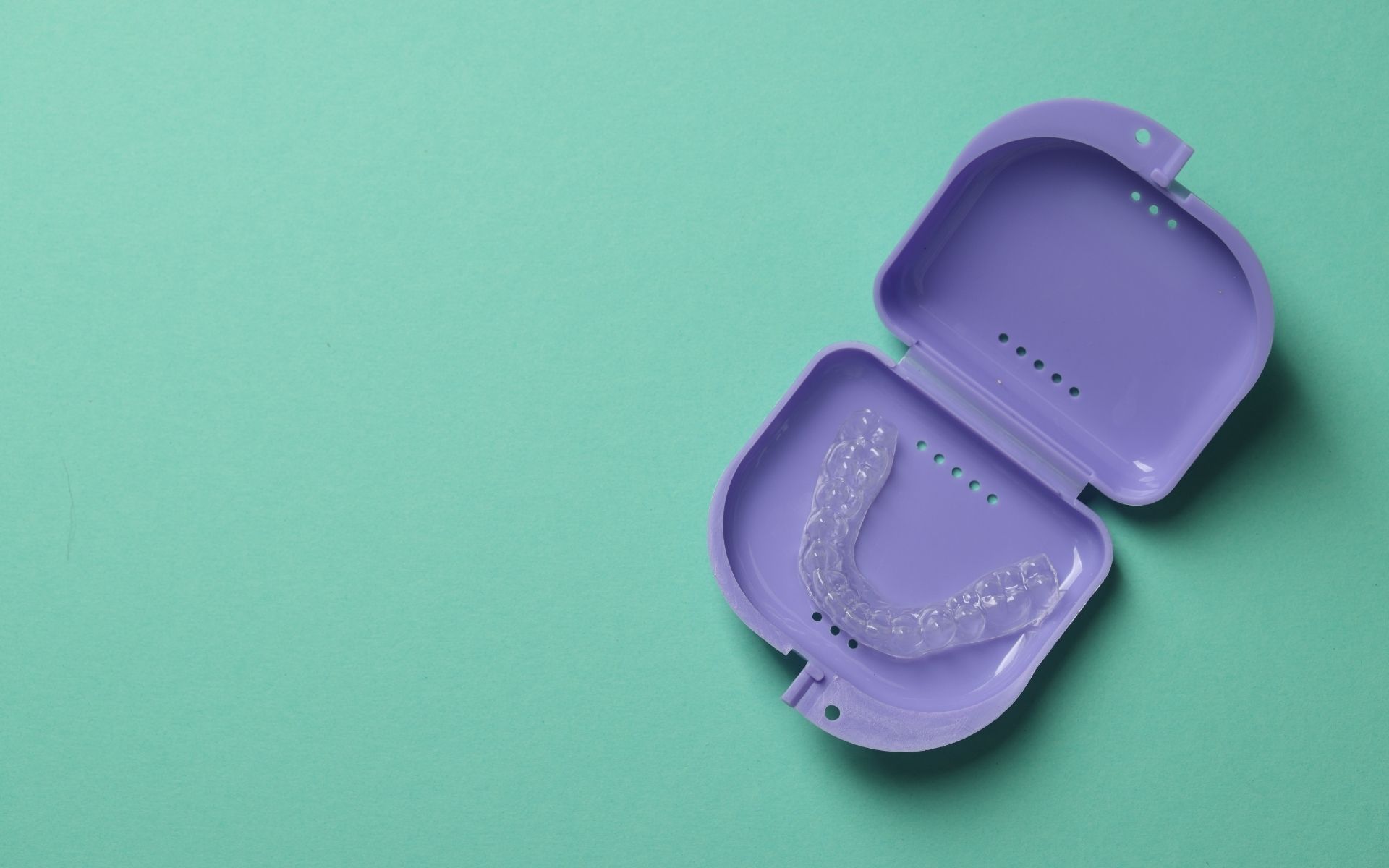
Clear Retainers (Essix)
Transparent, removable plastic retainers that fit snugly over your teeth. Discreet, easy to clean, and ideal for patients seeking a low-profile option, including those with artificial teeth.
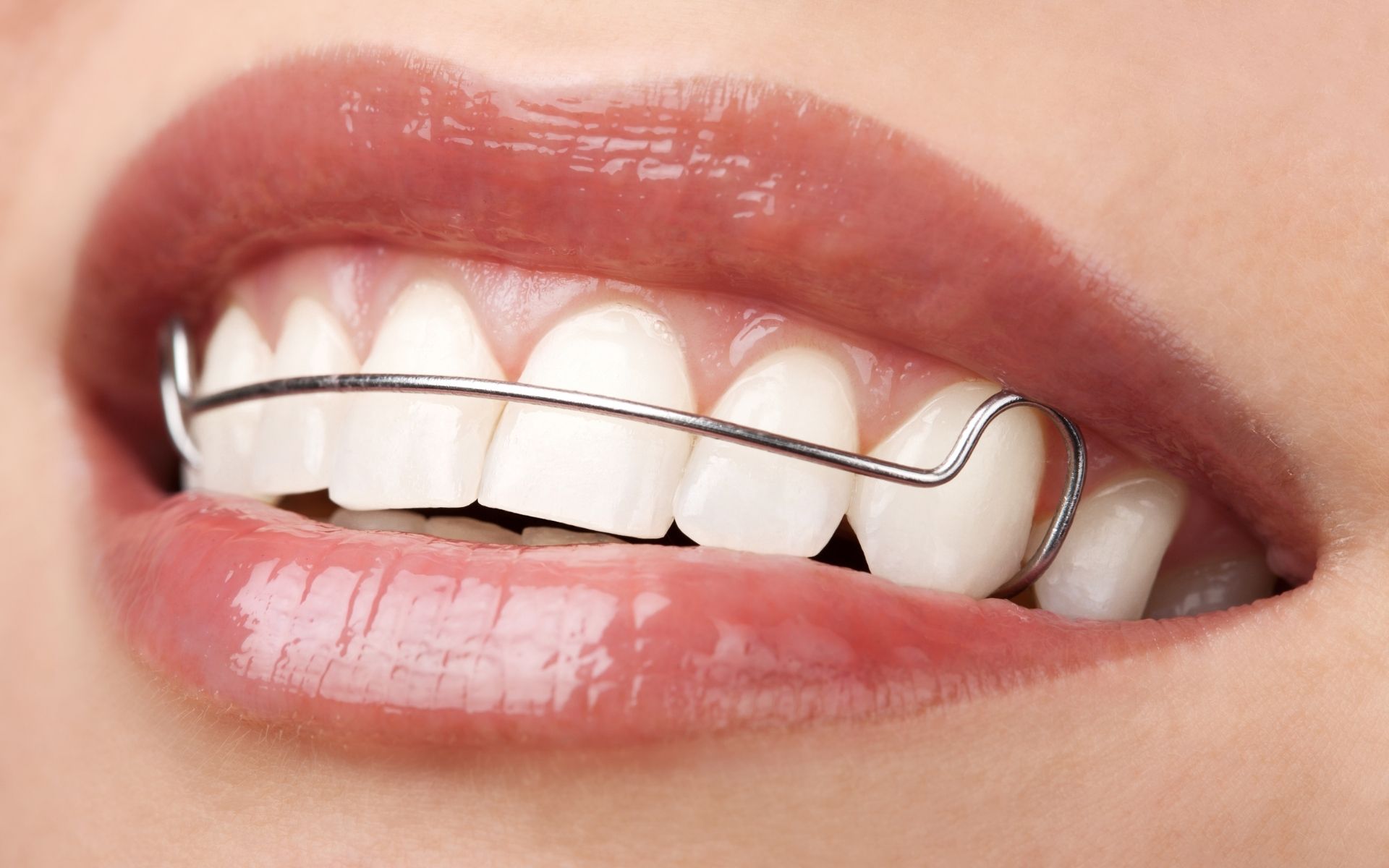
Hawley Retainers:
Made with a durable plastic base and metal wire, adjustable and long-lasting. They allow your bite to settle and provide a customizable fit.
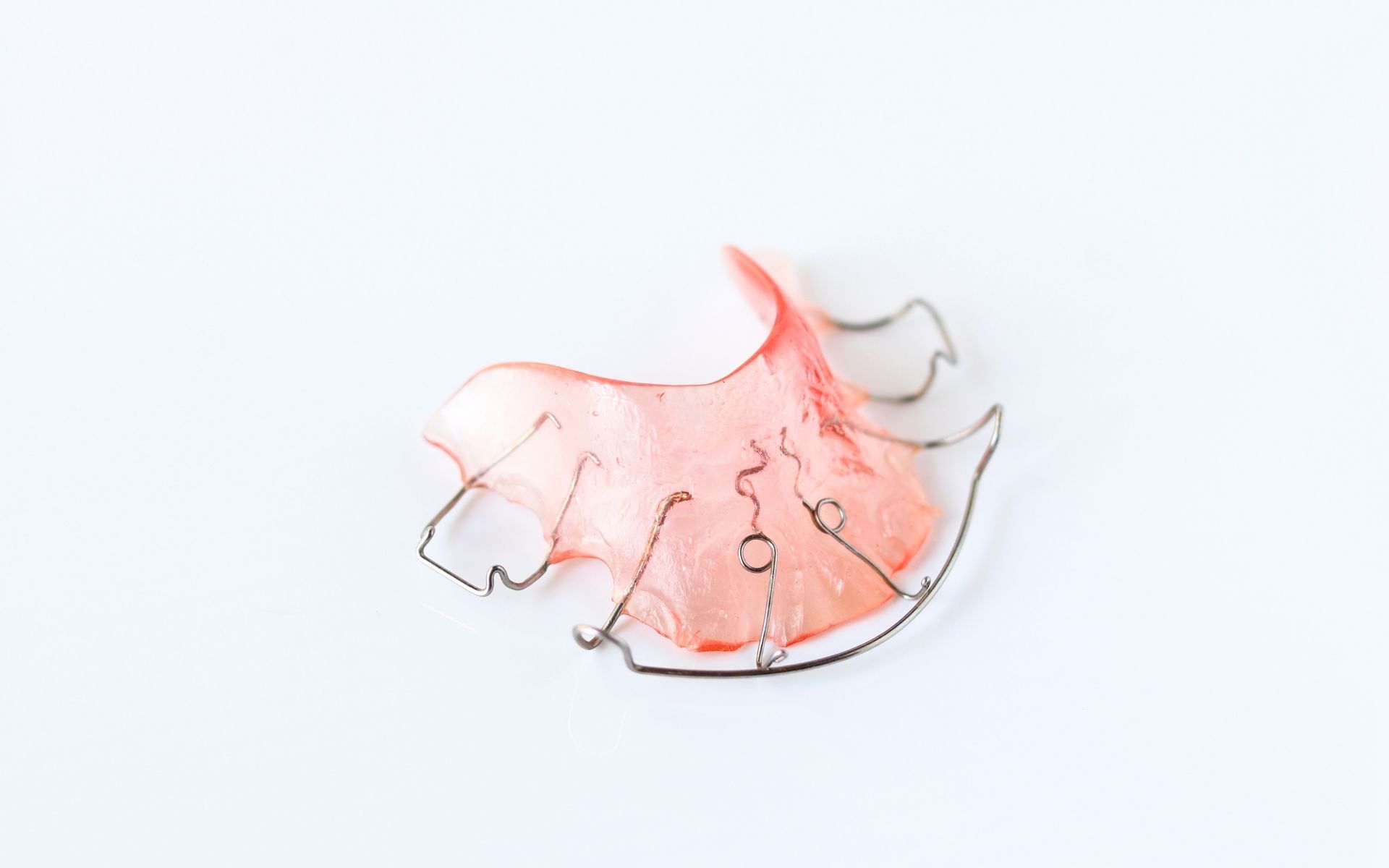
Fixed Retainers
Thin wires bonded permanently to the back of your front teeth, offering continuous support without needing to remember wear time. Patients must maintain careful hygiene to prevent plaque buildup, especially around artificial teeth.
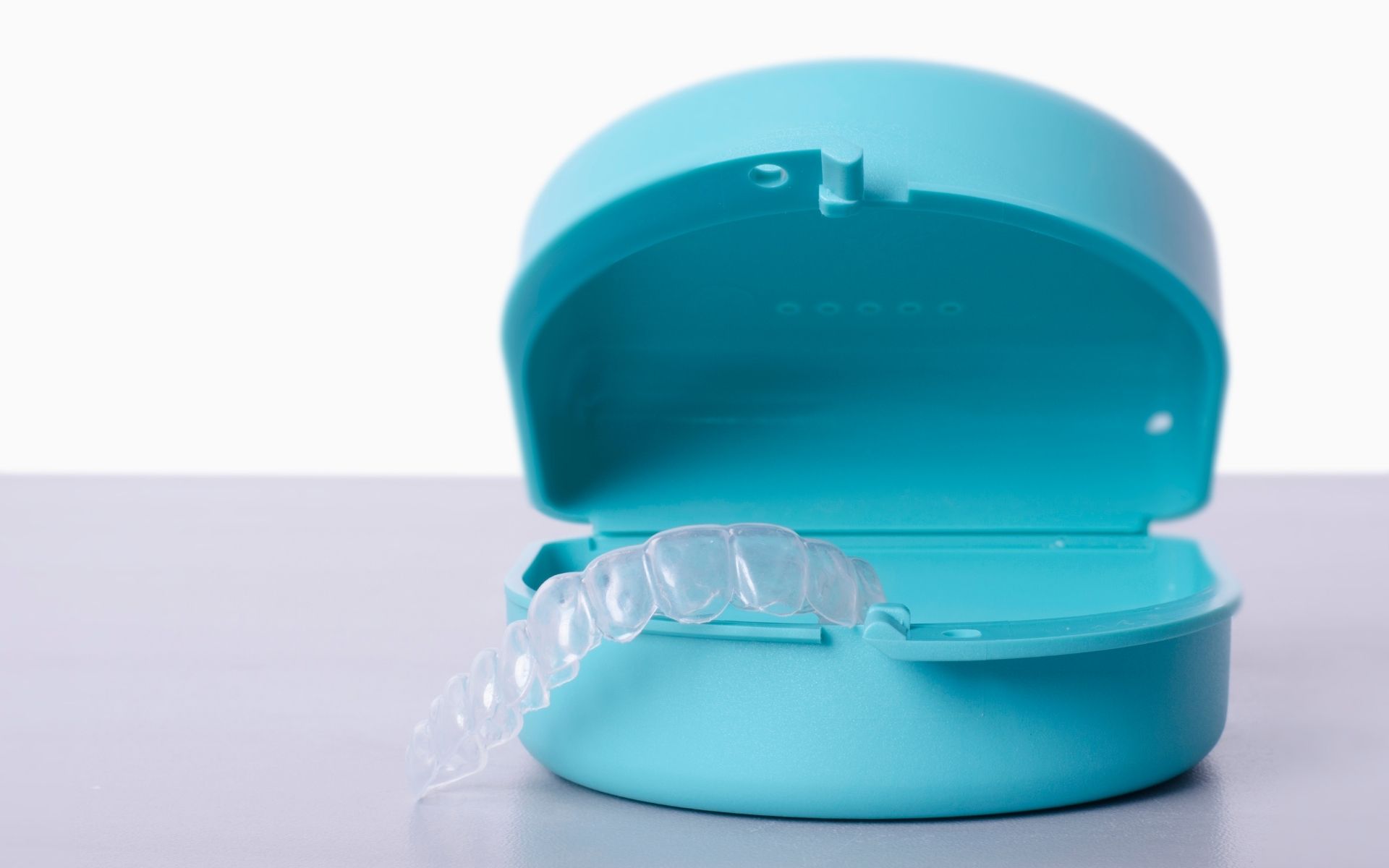
Simple Daily Habits for Long-Lasting Results
Caring for Your Retainers and Space Maintainers
Proper oral hygiene is essential for retainers and space maintainers to function well and stay comfortable:
- Brush and floss thoroughly, including around appliances
- Clean removable space maintainers daily with a soft toothbrush and mild soap
- Avoid heat or hot water that could deform plastic retainers
- Schedule regular office visits to check fixed retainers and space maintainers
- Follow Dr. Zhao’s instructions precisely for wear time and care
Maintaining your appliances protects your investment and ensures your smile stays healthy and aligned.