






SERVICES

Simple Extractions in Tracy, CA

Trusted Oral Surgery

Why a Simple Extraction is Often a Quick Relief for Tracy Patients

Sometimes, a tooth is just too far gone to be saved by a dental filling or a dental crown. Maybe it’s a stubborn “baby tooth” that won’t fall out for a student at George Kelly Elementary, or a tooth that has become loose due to gum disease. In these cases, we perform a simple extraction.

The word “simple” refers to a tooth that has already peaked through the gums and can be seen easily. Because the tooth is visible, the process is quick, straightforward, and—most importantly—focused on getting you out of pain so you can get back to your life in Tracy.

A dental professional in pink gloves using specialized dental forceps to perform a simple tooth extraction on a patient.

Your Trusted Tracy Dentist

Since 2013

Educational

What Makes an Extraction "Simple"?

Unlike a surgical extraction (like some wisdom teeth), a simple extraction doesn’t require incisions in the gum. We use a gentle touch to lift the tooth out of its socket. Whether you are coming in from the Hidden Lake neighborhood or stopping by after work near West Valley Mall, we make sure the process is smooth.

  1. Numbing: We use a local anesthetic to completely “fall asleep” the tooth and the surrounding gums. You will feel some pressure during the visit, but you shouldn’t feel any sharp pain.
  2. Loosening the Tooth: We use a tool called an elevator to gently rock the tooth back and forth. This widens the socket and separates the tooth from the ligament holding it in place.
  3. Removal: Once the tooth is loose, we use dental forceps to lift it out.
  4. Clot Protection: We place a clean piece of gauze over the site. Biting down on this helps a blood clot form, which is the “natural bandage” that protects your jawbone while it heals.

Why You Might Need a Simple Extraction

As your local Dentist, we always try to save your natural teeth first. However, a simple extraction is the best choice when:

  • The Tooth is Severely Cracked: If a crack goes deep below the gum line, the tooth can no longer be repaired.
  • Crowding: Sometimes we remove a tooth to make room for braces so your smile can be perfectly straight.
  • Risk of Infection: If a tooth is dead or dying, removing it prevents a painful abscess from forming and spreading to your jaw.
  • Loose Teeth: Advanced gum disease can cause teeth to become wiggly and painful to chew with.

Recovery Tips for Our Tracy Neighbors

The great thing about a simple extraction is that the recovery is usually very fast. Most of our patients find they can return to their normal routine the very next day, though you should still take it easy.

  • Protect the Clot: For the first 24 hours, do not smoke, do not use a straw, and do not spit forcefully. This prevents “dry socket,” which happens when the clot is dislodged.
  • Soft Diet: Enjoy some lukewarm soup, yogurt, or mashed potatoes. Avoid the crunchy chips or nuts you might find at the Tracy Farmers Market for a few days.
  • Salt Water Rinses: After 24 hours, gently rinse with warm salt water to keep the area clean and kill bacteria.
  • Swelling: If you have a little swelling, a cold pack on your cheek for 20 minutes at a time will do the trick.

According to the American Dental Association, the gap left by an extraction should eventually be filled with a dental bridge or a dental implant to keep your other teeth from shifting. The Mayo Clinic also points out that removing a source of chronic infection is a major win for your heart health and immune system.

Ready to Reset Your Oral Health?

A bad tooth can ruin your whole week. If you have a tooth that is hurting or broken, let’s take a look. A simple extraction is often the fastest way to get you feeling like yourself again.

FAQ

Common Questions

What does simple extraction mean?

A simple extraction is a tooth removal procedure performed without making any incisions or using special surgical techniques. It is typically used when the tooth is visible above the gumline and can be removed intact.

How painful is a simple tooth extraction?

While pain levels can vary, local anesthesia is used to prevent discomfort during the procedure. For more complex cases or patients with anxiety, various forms of sedation or anesthesia may be used to ensure a comfortable experience.

How long after a tooth extraction can I eat?

While the recovery timeline varies, surgical extractions may involve sutures to aid healing. Patients are generally advised to follow specific nutrition and aftercare guidelines provided by their oral surgeon to protect the extraction site.

What hurts more, top or bottom tooth extraction?

Pain levels are not necessarily determined by whether a tooth is top or bottom; instead, the complexity depends on the position of the tooth, the length and curvature of the roots, and the thickness of the surrounding bone.

Should I take a day off work after tooth extraction?

The time required for recovery depends on factors like your overall physical health and the complexity of the extraction. Expertise from an OMS ensures the highest level of management during and after the procedure to get you back to your routine safely.

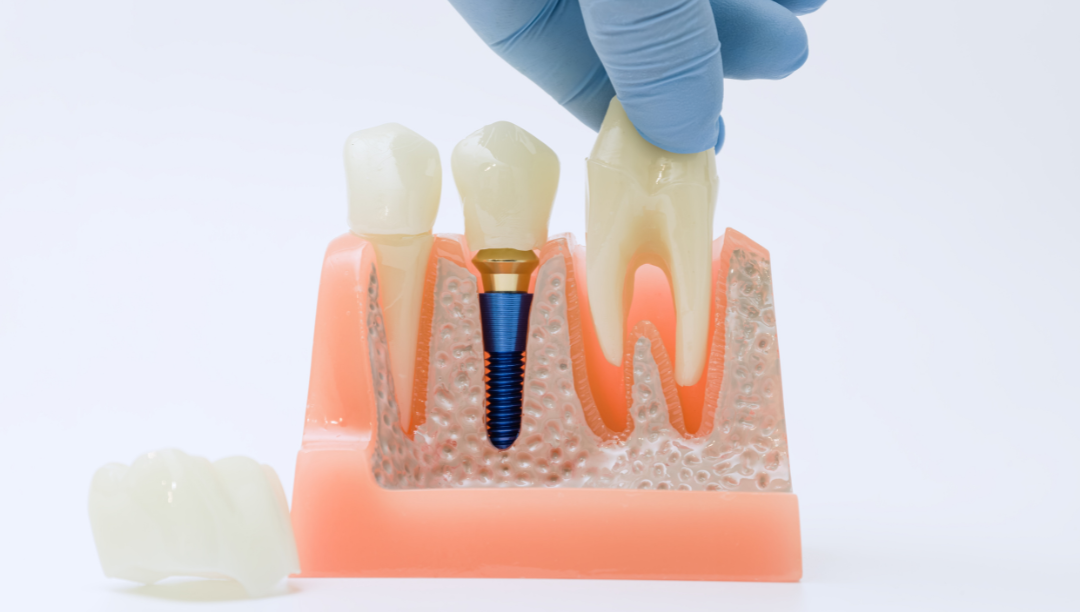
A dental professional in blue gloves demonstrating a simple tooth extraction by removing a tooth intact from a dental model.

Visit Us Today

Schedule an Appointment for Simple Extractions

Maintain the stability and appearance of your newly aligned smile. Contact Smiles Dental Spa to schedule an appointment for dental retainers and space maintainers with Dr. Shirley Zhao.
Contact our office at (209) 585-1475 or conveniently schedule your appointment online through NexHealth. Visit us at 1431 N Tracy Blvd, Tracy, CA 95376—trusted care tailored for your family.

Location

1431 N Tracy Blvd
Tracy, CA 95376

Maintaining Alignment After Orthodontic Treatment

How Retainers Work

Custom-made to comfortably fit your mouth, orthodontic retainers hold your teeth steady while your jawbone hardens around them in the correct position. This prevents relapse, maintaining your hard-earned results for a lifetime.

Dr. Zhao will highly recommend the best type of retainer for your unique treatment plan and lifestyle. For children who have lost a baby tooth, she may also include space maintainers to preserve proper spacing until the permanent teeth erupt. Patients typically wear retainers full-time at first, then transition to nighttime wear for ongoing maintenance.

Types of Retainers

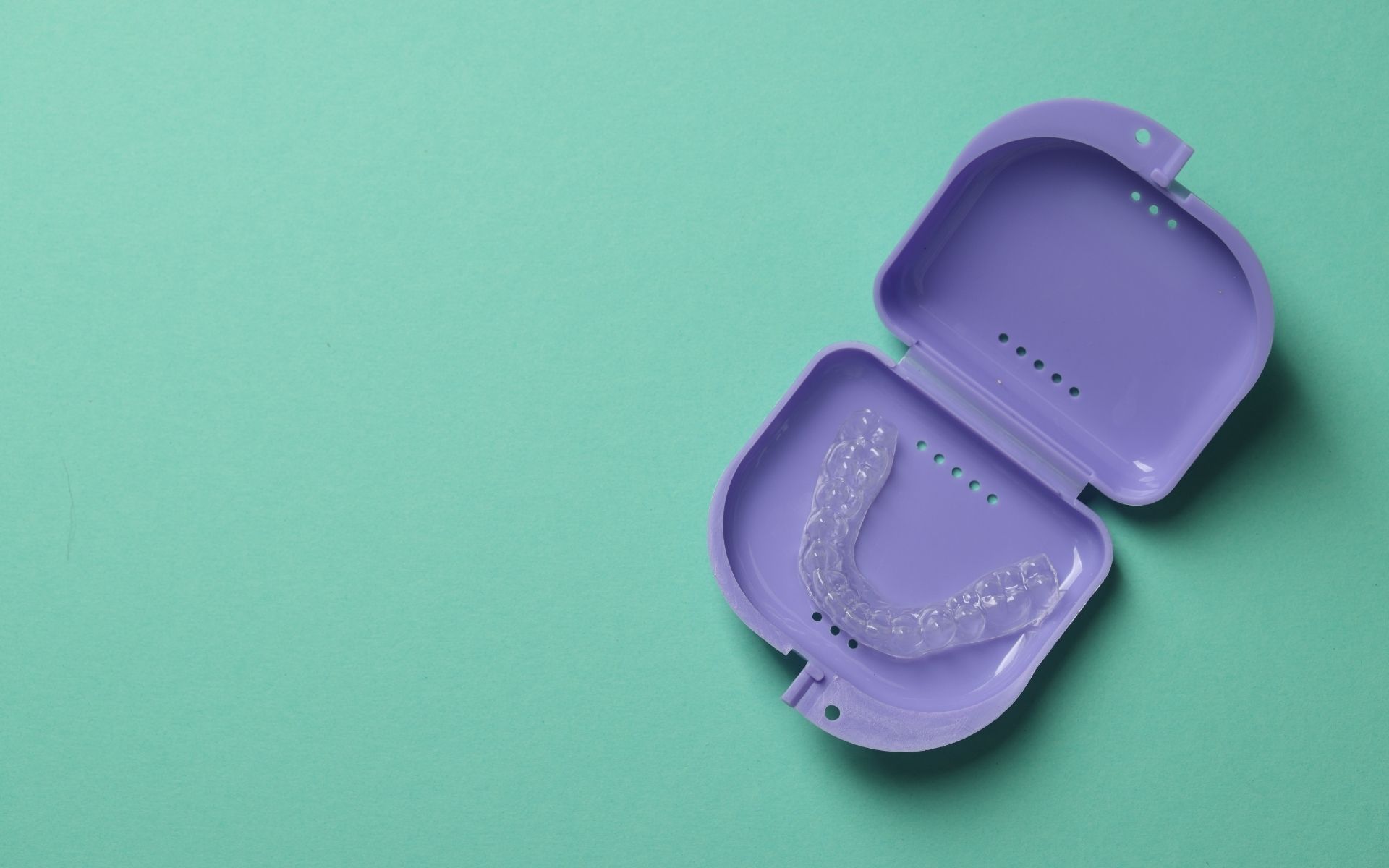
Clear Retainers (Essix)

Transparent, removable plastic retainers that fit snugly over your teeth. Discreet, easy to clean, and ideal for patients seeking a low-profile option, including those with artificial teeth.
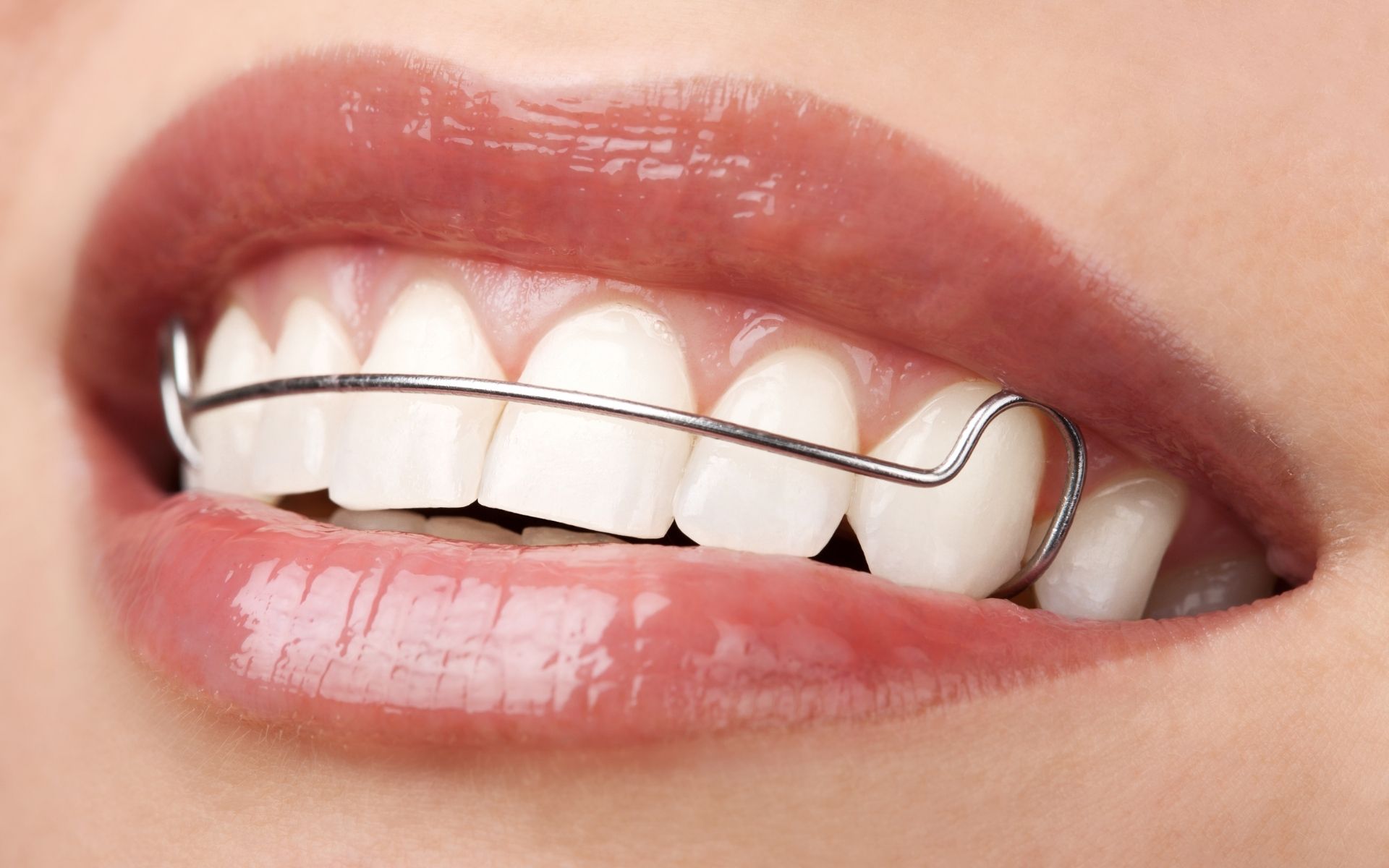
Hawley Retainers:

Made with a durable plastic base and metal wire, adjustable and long-lasting. They allow your bite to settle and provide a customizable fit.
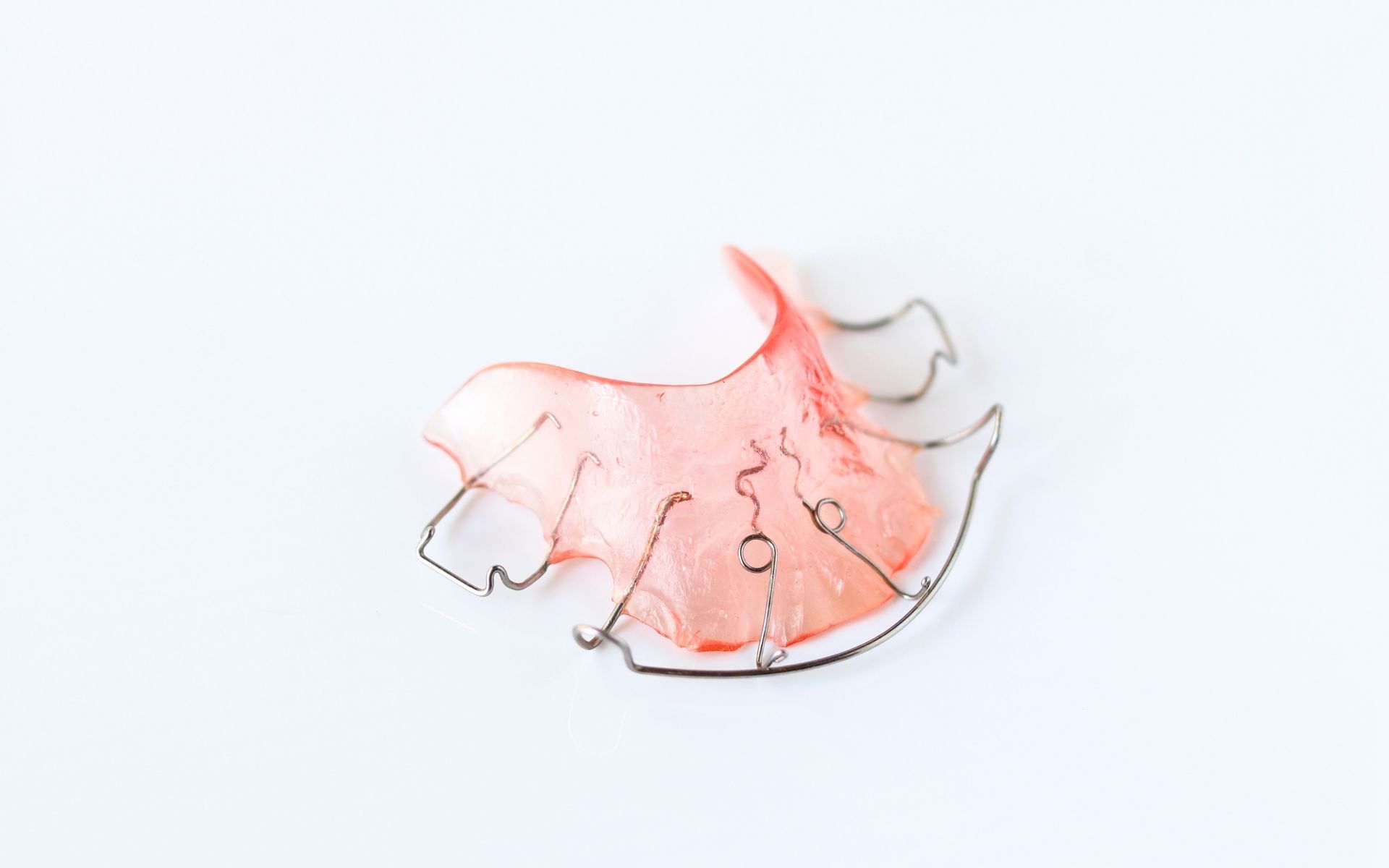
Fixed Retainers

Thin wires bonded permanently to the back of your front teeth, offering continuous support without needing to remember wear time. Patients must maintain careful hygiene to prevent plaque buildup, especially around artificial teeth.
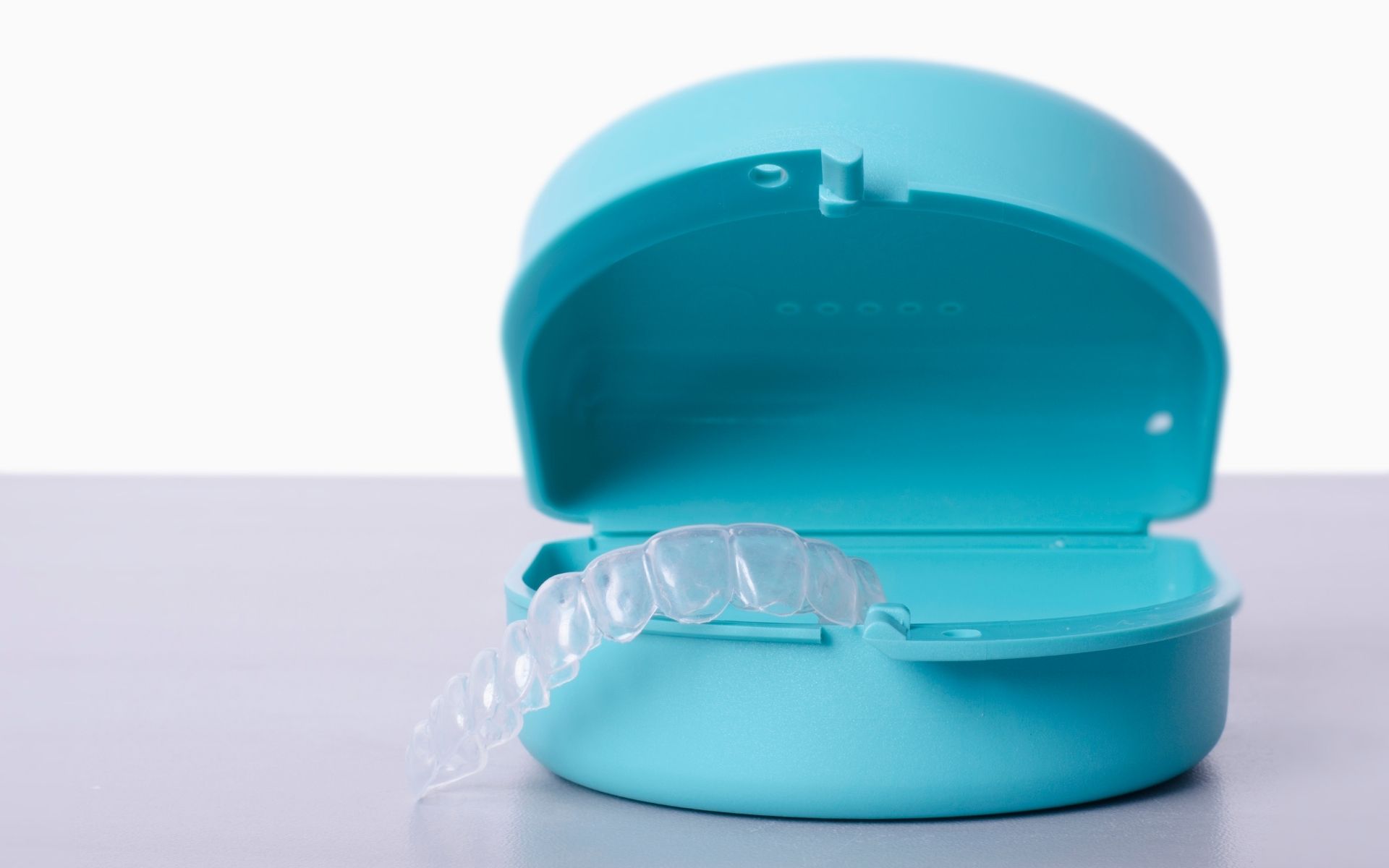
Simple Daily Habits for Long-Lasting Results

Caring for Your Retainers and Space Maintainers

Proper oral hygiene is essential for retainers and space maintainers to function well and stay comfortable:

Maintaining your appliances protects your investment and ensures your smile stays healthy and aligned.