




SERVICES
Scaling and Root Planing in Tracy, CA
Treatments
How Dentists Determine You Need Scaling and Root Planing
It starts with a small tool called a periodontal probe. We slide it gently between your gum and each tooth, measuring the pocket depth in millimeters. Healthy gums sit tight against the tooth, usually around one to three millimeters deep. Once those numbers hit four or above, that’s a red flag.
But pocket depth alone doesn’t tell the whole story.

Your Trusted Tracy Dentist
Since 2013
We look at several things together before recommending treatment at our Tracy dental office. Here’s what we’re checking during your oral exam and cleaning:
- Pocket depths of four millimeters or more around multiple teeth
- Bleeding when we probe, which signals active inflammation
- Visible tartar buildup below the gumline on digital dental x-rays
- Bone loss showing up on imaging around tooth roots
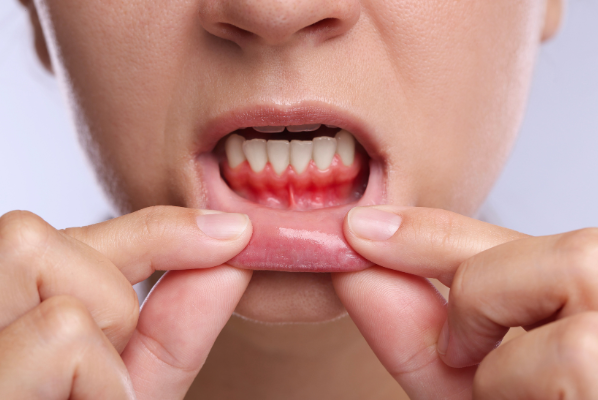
- Gum tissue that looks puffy, dark red, or pulls away from the teeth
Nine times out of ten, the patient sitting in our chair already suspected something was off. Maybe their gums bled every time they brushed. Maybe they noticed a bad taste that wouldn’t go away. Some folks come in because a tooth feels loose, they can’t figure out why. By that point the disease has usually been progressing quietly for months.
According to the CDC, nearly half of adults over 30 have some form of periodontal disease. So if we tell you those pocket numbers are too high, you’re far from alone.
Here’s what surprises people. Gum disease doesn’t always hurt. You can have five- or six-millimeter pockets and feel totally fine. That’s exactly why the probing matters so much. Your gums might look okay on the surface while bacteria are doing real damage underneath.
We also compare your current measurements to previous visits. If pockets that were three millimeters last year are now five, that trend tells us a regular dental cleaning won’t cut it anymore. You need scaling and root planing to get below the gumline and stop the progression. Not sure if this describes your situation? That’s actually pretty common. A quick exam gives us clear answers fast, and our Tracy team near the Lincoln neighborhood can usually get you in the same week.
Educational
What Scaling and Root Planing Actually Involves
People hear the name and picture something scary. It’s really not. We do this every single day at 1431 N Tracy Blvd, and most patients tell us it was way easier than they expected.
Before anything starts, we numb the area. You won’t feel sharp instruments against your gums. Just pressure and some vibration. That’s it.
Here’s how the whole process works once you’re comfortable in the chair:
- We start with scaling. Using an ultrasonic tool and hand instruments, we clean plaque and tartar off your tooth surfaces. Not just above the gumline like a regular dental cleaning. We go below it, down into the pockets where bacteria hide.
- Then comes root planing. This is the part that makes the real difference. We smooth the root surfaces of your teeth so your gums can reattach more easily. Rough roots give bacteria a place to grab on, smooth roots don’t.
- We flush the pockets. An antimicrobial rinse goes into each treated area. This knocks out leftover bacteria and helps your gums start healing right away. Research published on adjunctive antimicrobials for non-surgical periodontal treatment supports the role of antimicrobial agents in improving outcomes alongside scaling and root planing.
- We check every quadrant. Most patients need two visits. We’ll treat one side of your mouth first, then the other side a week or two later. This keeps each appointment shorter and gives you time to heal between sessions.
Nine times out of ten, patients from the Lincoln neighborhood and across Tracy are surprised how quick each visit goes. Usually about an hour per side.
After we finish, your gums might feel a little tender for a day or two. Some sensitivity to hot and cold is normal. But that fades fast. We’ll give you clear instructions on rinsing and what to eat for the first couple days.
And here’s something worth knowing. According to the American Dental Association, scaling and root planing is one of the most effective ways to treat gum disease before it gets to the point of needing surgery. That’s why we push for it early when we spot the signs during your oral exam and cleaning. Catching it now saves you a lot of trouble later, it saves your teeth too.
Recovery After Deep Cleaning: What Is Normal and What Is Not
Most people walk out of our Tracy office expecting the worst. The truth? Recovery from scaling and root planing is way easier than you’d think.
Some tenderness is totally normal. Your gums just got a thorough cleaning below the gumline, so they’ll feel a little sore for a day or two. You might notice some sensitivity to hot or cold drinks. That fades. We tell patients to stick with lukewarm foods for the first 48 hours, and that alone makes a big difference.
What's Normal in the First Week
Here’s what you can expect and shouldn’t worry about:
- Mild gum soreness that peaks on day one and slowly gets better
- Light bleeding when you brush or floss for the first few days
- Some tooth sensitivity, especially near the gumline
- Gums that look a little darker pink or slightly swollen
All of this is your body healing. We see it every single week. Nine times out of ten, patients feel completely back to normal within five to seven days. Over-the-counter pain relief handles any discomfort just fine.
Rinsing gently with warm salt water a few times a day helps too.
But there are signs that something needs attention. If you’re still bleeding heavily after three or four days, that’s not typical. Same goes for sharp pain that gets worse instead of better, swelling that spreads, or a fever. Those situations are rare, but they mean you should call us right away so we can take a look. You can reach our team at 1431 N Tracy Blvd Tracy directly.
Getting Back to Your Routine
You can brush the same night. Just be gentle around the treated areas. Use a soft-bristled toothbrush, it makes a real difference during recovery. Flossing can resume the next day. Don’t skip it. Keeping those areas clean is actually what helps your gums heal faster.
Not sure if what you’re feeling is normal? That’s actually pretty common. We’d rather you call and ask than sit at home wondering. Our team checks in with patients after every scaling and root planing appointment because that follow-up matters. Healthy gums don’t happen by accident, they happen because you stayed on track during recovery.
What Happens to Your Gums If You Delay Treatment
We tell patients this all the time. Gum disease doesn’t wait for you to be ready.
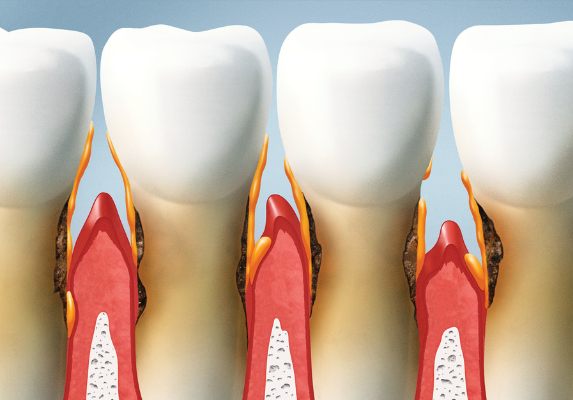
Here’s what actually happens. Bacteria sit below your gumline in pockets. Those pockets get deeper week by week. The bone around your teeth starts to break down. And once bone is gone, it doesn’t grow back on its own. That’s the part most people don’t realize until it’s too late.
Early gum disease is sneaky. You might notice a little blood when you brush. Maybe your gums look puffy or darker than usual. You figure it’ll go away. But it won’t. According to the Centers for Disease Control and Prevention, nearly half of adults over 30 have some form of gum disease. Most of them don’t know it because it doesn’t hurt at first.
What Gets Worse Over Time
Waiting even a few months can change your treatment plan. Here’s what we see in patients who put off scaling and root planing too long:
- Gum pockets deepen from 4mm to 6mm or more, making cleaning harder
- Teeth start to feel loose because supporting bone has dissolved
- Chronic bad breath that no amount of mouthwash fixes
- Receding gums that expose sensitive root surfaces
- Infection that can spread to other areas of the body
Nine times out of ten it’s the same story. Someone comes in near the Lincoln West neighborhood thinking they just need a regular dental cleaning. We take X-rays. We measure their pockets. And the numbers tell us they’ve needed scaling and root planing for a while now.
The longer you wait, the more involved the fix becomes. What could’ve been a couple of appointments might turn into surgical treatment, bone grafting, or even tooth extractions. We’d rather catch it early and keep things simple.
Your gums are trying to tell you something. Bleeding is not normal, it’s a warning sign. Tenderness when you chew, gums pulling away from your teeth, a bad taste that won’t quit. These aren’t things to push through. They’re your body asking for help.
So if you’ve been told you need this done and you’ve been putting it off, today is better than next month. Every week matters.
Periodontal Maintenance: The Step That Determines Long-Term Success
Here’s what we tell every patient after their deep cleaning wraps up at our N Tracy Blvd location. The procedure itself is only half the job.
The other half? Showing up for periodontal maintenance. We see patients get great results from their deep cleaning and then skip follow-up visits. Six months later, the pockets are deep again. The bacteria came back. And all that progress just disappeared. It’s the most frustrating part of what we do, because it’s so preventable.
Periodontal maintenance isn’t the same as a regular dental cleaning. A standard cleaning focuses above the gumline. Maintenance visits go deeper. We’re checking those specific pockets we treated, measuring them again, and cleaning below the gumline in areas where bacteria like to hide. Most patients need these visits every three to four months, at least for the first year.
What Happens During a Maintenance Visit
- We measure your gum pockets and compare them to your post-treatment numbers.
- We clean below the gumline in any spots showing new buildup.
- We check for bleeding, inflammation, or signs of bone loss.
- We update your home care plan based on what we find.
Nine times out of ten, patients who stick with this schedule keep their gums stable for years. According to the American Academy of Periodontology, consistent maintenance visits are the single biggest factor in preventing gum disease from coming back. That’s not a sales pitch. It’s just how periodontal health works.
So what does “long-term success” actually look like? Pockets that stay shallow. Gums that don’t bleed when you brush. Bone levels that hold steady on your digital dental x-rays. Teeth that stay put.
But skip a couple visits and things slide backward fast. We’ve had patients from the Lincoln neighborhood come back after a year away, surprised that their gums are inflamed again. Gum disease doesn’t announce itself with pain. It creeps. That’s what makes maintenance so important, you catch problems before they become expensive ones.
Think of it this way. Scaling and root planing resets the clock. Periodontal maintenance keeps it from running out.
FAQ
Common Questions
What should I expect during my first scaling and root planing visit at 1431 N Tracy Blvd Tracy?
You can expect a comfortable, numbed experience that usually takes about an hour per side. We start by numbing the area completely so you only feel light pressure, not pain. Then we scale below the gumline and smooth your root surfaces. Most patients from Tracy tell us it was much easier than they imagined. We typically treat one side of your mouth first, then schedule the other side a week or two later.
How long does it take to recover after a deep cleaning?
Most people feel back to normal within five to seven days after scaling and root planing. The first day or two brings mild soreness and some sensitivity to hot or cold. Light bleeding when brushing is normal for a few days. Warm salt water rinses and over-the-counter pain relief handle most discomfort easily. If bleeding is heavy after day three or pain gets worse instead of better, call us right away.
Is parking easy to find when I come in for my appointment near Lincoln neighborhood in Tracy?
Yes, parking at our Tracy location on N Tracy Blvd is straightforward with space available close to the entrance. Patients coming from the Lincoln neighborhood and surrounding areas find the location easy to reach. We recommend arriving a few minutes early for your first visit so you have time to fill out any paperwork without feeling rushed before your procedure.
How do I know if I actually need scaling and root planing or just a regular cleaning?
You need scaling and root planing when your gum pocket depths measure four millimeters or more around multiple teeth. A regular cleaning only addresses above the gumline. If we also see bone loss on x-rays, bleeding when we probe, or tartar buildup below the gumline, that confirms gum disease is active. The good news is a quick exam gives you a clear answer fast, and our Tracy team can usually get you in the same week.
Can gum disease get worse without causing any pain?
Yes, gum disease often causes no pain at all even when it is actively damaging your gums and bone. You can have five- or six-millimeter pockets and feel completely fine. That is exactly why regular probing during your exam matters so much. By the time you notice a loose tooth or a bad taste that won’t go away, the disease has usually been progressing quietly for months. Catching it early with scaling and root planing protects your teeth before things get serious.
What happens after scaling and root planing — do I need to come back?
Yes, a follow-up visit is a normal part of your care after scaling and root planing. We schedule a re-evaluation about four to six weeks after your last treatment session. At that visit we re-measure your pocket depths to see how your gums have responded and healed. Most patients see real improvement in those numbers. After that, we set you up on a maintenance schedule, usually every three to four months, to keep gum disease from coming back.
Visit Us Today
Schedule an Appointment for Scaling and Root Planing
Maintain the stability and appearance of your newly aligned smile. Contact Smiles Dental Spa to schedule an appointment for dental retainers and space maintainers with Dr. Shirley Zhao.
Contact our office at (209) 836-1748 or conveniently schedule your appointment online through NexHealth. Visit us at 1431 N Tracy Blvd, Tracy, CA 95376—trusted care tailored for your family.

Phone

Location
1431 N Tracy Blvd
Tracy, CA 95376