




SERVICES
Pediatric Oral Examination in Tracy
Oral Exams
What a Pediatric Oral Examination Actually Covers
Most parents think we’re just counting teeth. That’s a tiny piece of it.
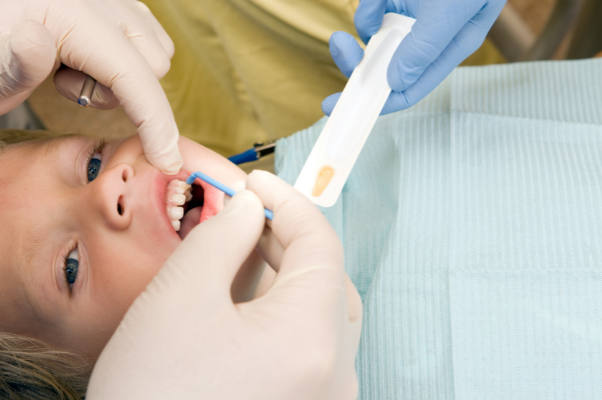
A pediatric oral examination is a full check of your child’s mouth, jaw, gums, tongue, and soft tissue. We’re looking at how everything grows together. Kids change fast, and what looks fine at age three can turn into a real problem by age five if nobody catches it early. At our office on 1431 N Tracy Blvd Tracy, we see this play out every single week.


Your Trusted Tracy Dentist
Since 2013
What We Check During the Visit
Here’s what actually happens when your child sits in our chair:
- We check every tooth surface for early signs of decay, chips, or discoloration.
- We look at the gums for swelling, redness, or bleeding that might point to infection.
- We examine the bite. How do the top and bottom teeth line up? Are they crowding?
- We check the tongue, cheeks, and roof of the mouth for anything unusual.
- We watch how your child’s jaw moves when they open and close.
- We look at eruption patterns to see if adult teeth are tracking the right direction.
That last one matters more than people realize. A tooth coming in at a bad angle can push other teeth out of place. Catching it now means less trouble later.
And we’re not just looking at what’s there today. We’re building a picture of your child’s development over time. Families who come in regularly almost always avoid the bigger problems down the road. The ones who wait until something hurts? That’s usually when things get more involved.
We also pay attention to habits. Thumb sucking, mouth breathing, tongue thrusting. These can reshape a growing jaw. Parents in the Lincoln West neighborhood often ask us about pacifier use, and the exam is where we talk through all of that face to face.
So no, it’s not just a quick peek. It’s the foundation for everything else we do, from fluoride treatments and dental sealants to knowing if space maintainers might be needed later. The whole visit is built around keeping your child’s mouth healthy as it grows.
Educational
The Right Age and Frequency for Your Child's Exam
Most parents we see at 1431 N Tracy Blvd Tracy ask the same thing. “When should I actually bring my kid in?” The answer is simpler than you’d think.
The American Academy of Pediatric Dentistry recommends a first visit by age one or within six months of the first tooth coming in. That surprises a lot of families. But those early visits aren’t about finding problems, they’re about getting your child comfortable in the chair before anything ever goes wrong.
We see kids every single day who came in early and now sit down like it’s no big deal. Compare that to a four-year-old walking into a dental office for the first time with a toothache. Totally different experience. Starting early changes everything about how your child feels about dental care for years to come.
How Often Should They Come Back?
After that first pediatric oral examination, we typically follow a schedule like this:
- Every six months for a routine check, starting from that first visit.
- More frequent visits if we spot early signs of decay or crowding.
- A reassessment around age six when permanent teeth start showing up.
Six months goes fast with little kids. Their mouths change quickly. A tooth that looked fine in January might have a small cavity by July. Catching it early means a simple pediatric filling instead of something bigger down the road.
So what if your child is already three or four and hasn’t been in yet? Don’t stress about it. Families near the Lincoln neighborhood and all across Tracy bring kids in at different ages. There’s no judgment here. We just pick up where we are and build a plan from there.
And here’s something worth knowing. Kids who come in on a regular schedule tend to need fewer treatments overall. It’s not just about checking boxes, it’s about building a baseline so we can spot changes fast. Our team has been doing this long enough to know what’s normal at each stage and what needs a closer look.
But every child is different. Some need to come in a bit more often. We’ll tell you what makes sense for your kid.
How to Prepare Your Child for a Stress-Free Visit
A little prep at home goes a long way. We see it every single week. The kids who walk in calm and curious almost always had a parent who set the tone beforehand.
Start talking about the visit a day or two ahead. Keep it simple. Say something like “the dentist is going to count your teeth and make sure your smile is healthy.” That’s it. Don’t over-explain, don’t use words like “shot” or “pain.” Kids pick up on nervous energy fast, so if you’re relaxed about it, they will be too.
Quick Steps Before the Appointment
- Read a short book or watch a kid-friendly video about going to the dentist. This makes the office feel familiar before they ever walk in.
- Let your child pick a comfort item to bring. A stuffed animal, a small blanket, whatever helps them feel safe.
- Eat a light meal about an hour before. Hungry kids get cranky kids, and that makes everything harder.
- Arrive five minutes early so you’re not rushing through the door at 1431 N Tracy Blvd Tracy already stressed out.
- Fill out any paperwork online ahead of time if you can. Less waiting room time means less time for nerves to build.
One thing that really helps? Role-play at home. Grab a toothbrush, have your child open wide, and pretend to “examine” their teeth. Then let them do it to you. It sounds silly but it works. Kids feel braver when they know what’s coming.
Wondering if your child should skip breakfast or brush right before? Don’t worry about it. We’d rather see their teeth in a normal state anyway.
And here’s something parents in the Lincoln neighborhood often ask us. “Should I stay in the room?” For most kids under six, yes. Your presence keeps them grounded. For older kids, sometimes stepping back actually helps them feel more independent. Our team will read the room and let you know what we think is best. Most kids surprise their parents with how well they handle things once the visit gets rolling. A calm start at home leads to a calm visit here.
What Happens When the Exam Finds a Problem
Don’t panic. That’s the first thing we tell parents at our office on 1431 N Tracy Blvd Tracy when we spot something during a pediatric oral examination. Most issues we catch early are small. And small problems stay small when you act on them quickly.
We find something worth discussing in about half the kids we see. That’s a good thing. It means we’re catching stuff before it turns into pain or an emergency visit.
Here are the most common findings during a pediatric oral examination:
- Early cavities that haven’t caused any pain yet
- Crowding or alignment concerns as adult teeth start coming in
- Gum inflammation from brushing habits that need a little coaching
- Enamel spots that could benefit from fluoride treatments or dental sealants
So what happens next? We sit down with you right there in the room. No jargon, no scare tactics. We show you exactly what we see, sometimes on screen if we took digital dental X-rays. Then we walk through what your options look like.
When Treatment Is Needed
If your child needs something like pediatric fillings or pulp therapy, we talk about timing. Some things can wait a few weeks. Others we want to handle soon. We’ll be straight with you about which category it falls into, we never push treatment that isn’t necessary.
Kids in the Lincoln West neighborhood and families across Tracy trust us because we explain the “why” behind every recommendation. Your child deserves to understand too. We use simple words with them. We let them ask questions. A calm explanation almost always takes the fear away.
But here’s what matters most. A problem found during a routine visit is almost always easier to fix than one found during an emergency examination at 9 PM on a Saturday. Early detection saves your child discomfort, saves you stress, and keeps their smile on track.
Not sure if something you noticed at home is worth a visit? Give us a call.
Building a Long-Term Dental Routine for Tracy Kids
Here’s what we tell every parent who walks through our doors at 1431 N Tracy Blvd Tracy. One pediatric oral examination doesn’t fix everything. It’s the starting point.
Kids who come in every six months do better. Their teeth stay cleaner, we catch small problems before they turn into big ones, and they actually start to relax in the chair. We see it all the time. A three-year-old who screamed at their first visit is high-fiving us by visit three. That kind of comfort only builds with consistency.
So what does a solid routine look like between visits? It’s simpler than most parents think.
- Brush twice a day with a soft-bristled brush and a rice-grain amount of fluoride toothpaste for kids under three. Pea-sized for kids over three.
- Start flossing as soon as two teeth touch each other. Most parents skip this step way too long.
- Cut back on juice and sticky snacks, especially between meals. Sugar sitting on teeth between brushings does real damage.
- Book their next pediatric oral examination before you leave the office. Put it on the calendar right then.
- Ask us about fluoride treatments and dental sealants if your child is cavity-prone. These are quick, easy wins.
And don’t wait for a complaint. Kids rarely tell you their tooth hurts until it really hurts. By then you might be looking at pediatric fillings or even pulp therapy. Regular exams catch what kids can’t describe.
We’ve worked with families in the Lincoln neighborhood and near West Valley Mall who’ve been bringing their kids in since age one. Those kids almost always have fewer cavities, less anxiety, and healthier gums by the time they’re teenagers. That’s not a coincidence, it’s the routine doing its job.
But the routine at home matters just as much as the visits here. We’re your partner in this. You’re doing the daily work. Together it clicks.
Want to get your child started on the right track? Give us a call and we’ll set up their next visit.
FAQ
Common Questions
What should I bring to my child's first pediatric oral examination at your Tracy office?
Bring your child’s insurance card, any medical records, and a list of medications they take. If your child has a comfort item like a stuffed animal, bring that too. It helps them feel safe in the chair. At our office at 1431 N Tracy Blvd Tracy, you can fill out paperwork online ahead of time. That cuts down on waiting room time and keeps nerves from building before we even get started.
What happens after the pediatric oral examination is done?
Right after the exam, we sit down with you and go over exactly what we found. We explain it in plain language, no confusing terms. If everything looks good, we schedule your next visit in six months. If we spot something like early decay or a crowding concern, we talk through next steps right then. You leave knowing your child’s current state and what to watch for before the next visit.
Is parking easy at 1431 N Tracy Blvd Tracy, and what should I know before arriving?
Parking at our N Tracy Blvd location is straightforward. There is plenty of space right outside the office. Plan to arrive about five minutes early so you are not rushing in already stressed. A calm arrival makes a big difference for kids. If you are coming from the Lincoln West neighborhood or elsewhere in Tracy, the drive is easy and the office is simple to find on N Tracy Blvd.
At what age should my child have their first oral examination?
Your child should have their first exam by age one or within six months of their first tooth coming in. That is the recommendation from the American Academy of Pediatric Dentistry. Early visits are not about finding problems. They are about getting your child comfortable before anything goes wrong. Kids who start early almost always handle dental visits better as they grow. It sets the tone for years of healthy habits.
How do I know if my child needs to come in more often than every six months?
We will tell you directly after the exam if your child needs more frequent visits. Signs like early decay, crowding, or unusual eruption patterns mean we want to see them sooner. Kids’ mouths change fast. A tooth that looked fine in January can develop a small cavity by July. Coming in on schedule lets us catch those changes early and keep treatments simple instead of more involved.
Does thumb sucking or pacifier use really affect my child's teeth?
Yes, habits like thumb sucking, pacifier use, and mouth breathing can reshape a growing jaw over time. The pediatric oral examination is where we look for those early signs. If we see changes in how the teeth line up or how the jaw is developing, we talk through it with you face to face. Many Tracy families ask us about this during the visit, and we give you real guidance based on what we actually see in your child’s mouth.
Visit Us Today
Schedule an Appointment for Pediatric Oral Exam
Maintain the stability and appearance of your newly aligned smile. Contact Smiles Dental Spa to schedule an appointment for dental retainers and space maintainers with Dr. Shirley Zhao.
Contact our office at (209) 836-1748 or conveniently schedule your appointment online through NexHealth. Visit us at 1431 N Tracy Blvd, Tracy, CA 95376—trusted care tailored for your family.

Phone

Location
1431 N Tracy Blvd
Tracy, CA 95376