




Chewing tobacco hooks you in two ways. Nicotine changes how your brain feels, and the habit gets tied into your daily routine. Once you understand both, you can plan a quit that sticks.
Tried to quit before and slipped? You’re not weak. You’re up against something that’s built to keep you coming back. We hear this from patients in Tracy all the time. Some of them feel embarrassed in the chair. But there’s nothing to be ashamed of here.
Nicotine is the first reason. A pinch or dip sits against your gums for a long time. So the nicotine soaks in slowly and keeps flowing. The American Cancer Society says holding an average dip for 30 minutes gives you as much nicotine as smoking 3 cigarettes. That’s a lot for your body to give up.

Learn.
Prevent.
Smile.
Your brain learns to expect that steady supply. When it drops, you feel it fast. Cranky. Foggy. Hungry and restless. Those feelings push you to reach for the can just to feel normal again.
Most people expect the cravings. What surprises them is how many everyday moments turn into triggers. These are the ones we hear about most:
Look at that list again. Hardly any of it is about nicotine. That’s the habit side, and it’s often the harder part to break.
The craving fades in minutes, the habit can hang on for months.
One patient of ours worked long warehouse shifts off I-205. He quit for two weeks and felt great. Then a buddy offered him a pinch at a backyard barbecue. He said yes before he even thought about it. It wasn’t about willpower in that moment. His brain had linked barbecues with dip for twenty years.
There’s also the feel of it. The tingle on your gum. The spot where you’ve always tucked it. Some people miss that feeling more than the nicotine. A few patients keep sunflower seeds in the truck. Others like cinnamon gum, or just –
Anyway, find something that keeps your mouth busy. It really does help.
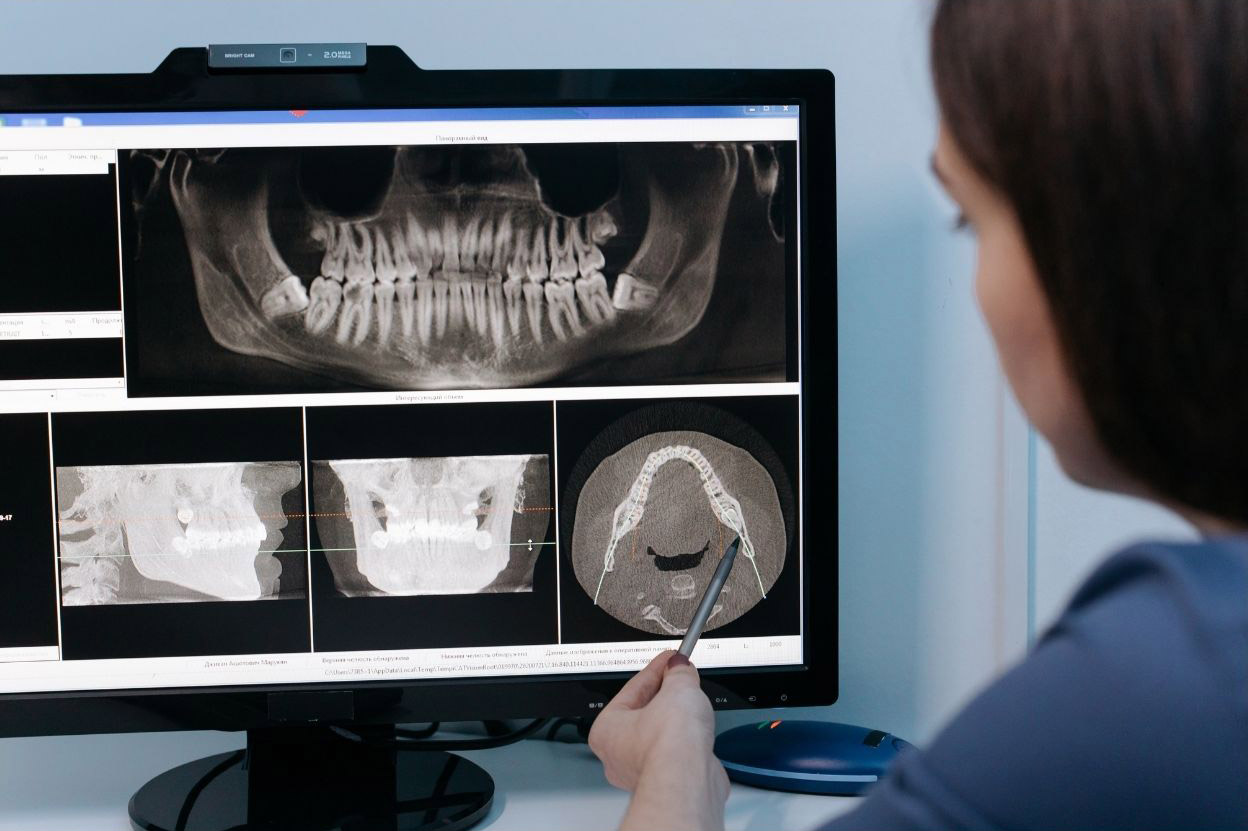
And here’s something we see in the dental chair a lot. Many people don’t notice changes in their mouth until we point them out. Gums pulling back. White patches inside the cheek. Stains that won’t brush off. Seeing it up close can be a real wake-up call. That’s a big reason an oral cancer screening matters if you use tobacco.
So why does any of this matter? Because a good quit plan has to handle both sides. You need a way through the nicotine dip and a plan for your triggers. Skip either one and the other tends to pull you back.
Quitting dip isn’t one big moment. It’s a lot of small choices stacked together. If you’re trying to figure out how to quit chewing tobacco, a written plan makes it far less scary. Here’s the plan we walk patients through in our Tracy office. It’s simple on purpose.

Put it on your phone calendar. Then tell one person you trust so they can check in on you.

Track every dip for three days. Write down the time, the place and what you were doing.

Toss every can, pouch and spit cup. Check your truck, your gym bag and your jacket pockets too.

Sugar-free gum, sunflower seeds and cinnamon sticks all help. Keep them where your can used to be.

Gum, lozenges and patches can take the edge off cravings. Your doctor or pharmacist can help you choose.

Cravings are usually strongest in the first few days. They come in waves, most pass within a few minutes.

An oral exam and cleaning plus an oral cancer screening shows you where your mouth stands today.
That last step matters more than most people think. We see it all the time. Someone quits and feels great, but they never get the spot under their lip checked. Dip can leave white patches, receding gums and stained teeth. Some of those changes heal on their own. Others need a closer look.
One patient of ours worked at a distribution center off I-205. He dipped on every single break. So he swapped his break routine for a lap around the parking lot and a handful of seeds. Week two was rough. He slipped once after a long night shift.
And that’s the part people get wrong.
One slip doesn’t erase your progress. You didn’t fail. You just start again the next morning. He did exactly that, and he’s been off dip for over a year now. His gums look better than they did when he first sat in our chair.
What about the hardest times of day? For most dippers it’s right after meals, in the car or with a drink in hand. Plan a swap for each one before your quit date. Brushing your teeth right after lunch works well, the fresh taste makes a dip feel less appealing. But the cans your buddies keep in the truck console –
Ask them to keep those out of sight for a while. Most friends will get it. Quitting is easier when the people around you are on your side.
Patients who come in during their first month of quitting often tell us the visit gave them a boost. Seeing your gums start to heal is real proof that your hard work is paying off.
You don’t have to do this alone. Our family-friendly team welcomes new patients of all ages and backgrounds. We’ll never lecture you. We’ll just help you see where things stand and what comes next.
The first few days are the hardest. That’s not a scare tactic, it’s just how nicotine works. Your body got used to a steady supply every day. Now it wants that supply back. And it won’t ask nicely.
Most withdrawal symptoms peak around day two or three. They usually ease up after the first week or two. Cravings can hang around longer, often tied to old habits. But here’s what surprises most people. A single craving rarely lasts more than a few minutes.
Knowing what’s coming makes it less scary. These are the symptoms our patients mention most:
A short temper or feeling on edge
Restless nights for the first several days
Being hungrier than usual, especially for snacks
Trouble focusing at work or school
Strong urges after meals, with coffee, or behind the wheel
None of these mean you’re failing. They mean your body is starting to heal.
Every craving you ride out makes the next one a little weaker.
So what do you do when one hits? We tell patients to have a plan ready before quit day. Cravings feel urgent. They aren’t. Try this simple routine the moment the urge shows up:
You don’t need all five every time. Pick the two or three that fit your day best.
We see this a lot with patients who chew on the job. One man we cared for worked long shifts at a warehouse off I-205. His trigger was the drive home. He kept a bag of sunflower seeds in the cupholder and played loud music. Silly? Maybe. But it got him through the first month, and he hasn’t gone back.
What’s your trigger? Spotting it early is half the battle.
Nicotine gum, lozenges, or patches can also take the edge off. Talk with your doctor or pharmacist about which one fits you. California also offers free quit coaching through Kick It California. They have support in several languages, which helps many families here in Tracy.
Your mouth goes through changes too. Some people notice tender gums or a funny taste for a while. That’s normal. But a white patch or sore that won’t heal after two weeks needs a look. We’d much rather check it early than wait –
That’s where a dental cleaning and an oral cancer screening fit in. A fresh start for your teeth can feel like a reward. It’s also a great way to see how far you’ve come. Our team welcomes new patients of all ages, and we keep the visit relaxed and easy.
Common questions about how to quit chewing tobacco
Most cravings peak around day two or three, then ease up after the first week. Each craving wave itself usually passes within a few minutes, even when it feels unbearable. Your brain is adjusting to lower nicotine levels during this time. Keeping gum or sunflower seeds nearby can help you ride out these short waves. If you slip during this stretch, it does not erase your progress, just start again the next day.
A craving is your body wanting nicotine, while a habit trigger is a routine or place linked to dip, like lunch breaks or long drives on I-205. Cravings fade within minutes, but habit triggers can hang around for months. That is why Tracy patients who track their triggers for a few days often have more success quitting. Planning a swap for each trigger, like chewing gum after meals, breaks the link between the moment and the dip.
You may not notice it yourself, since early changes like gum recession or white patches are often painless. Many patients only learn about these changes during a dental exam. Stains, pulled-back gums, and rough white spots inside the cheek are common early signs. An oral cancer screening is the best way to see exactly where your mouth stands, which is a key reason to schedule one as part of your quit plan.
Yes, many Tracy patients say outdoor work during hot afternoons is one of their strongest triggers. Heat, sweat, and long shifts outside often go hand in hand with reaching for a pinch out of habit. Staying hydrated and keeping sugar-free gum or seeds on hand during outdoor work can help break that pattern. Swapping your routine before the heat hits makes the habit easier to manage.
Yes, slipping once does not mean you have failed. Many people who successfully quit for good had at least one slip along the way, often during stress or a long shift. What matters most is starting again the next morning instead of giving up. Tracking what led to the slip can help you plan around that trigger next time.
You should book a dental visit soon after you quit, even if your mouth feels fine. An oral exam, cleaning, and oral cancer screening show you exactly how your gums and tissue are healing. Many changes from dip start to improve once you stop, but some spots need a closer look. Seeing real progress in your mouth can also keep you motivated to stay quit.
Our Tracy dentist team is here to support your education and answer any frequently asked questions about dental services, brushing and flossing, and oral health. Contact us at (209) 836-1748 or during your scheduled appointment, and take advantage of our resources to stay informed.


1431 N Tracy Blvd
Tracy, CA 95376