




SERVICES
Emergency Tooth Extractions in Tracy, CA
Emergency Services
Signs Your Tooth Cannot Wait Another Day
You wake up at 3 a.m. and your jaw is throbbing so hard you can feel it in your ear. That’s not a regular toothache. That’s your body telling you something is breaking down right now.
Most people try to push through tooth pain for a few days. We get it. But some signs mean the clock is ticking, and waiting even 24 hours can turn a fixable problem into something much bigger. Here at our office on N Tracy Blvd, we see patients every single week who wish they’d come in sooner.


Your Trusted Tracy Dentist
Since 2013
Watch for these red flags that point to a true dental emergency:
- Pain that doesn’t respond to over-the-counter medication at all
- Swelling in your gum, cheek, or under your jaw
- A tooth that feels loose or shifts when you press on it
- Foul taste in your mouth that won’t go away, which often signals infection
- Fever alongside any kind of tooth pain
That last one matters more than people realize. According to the American Dental Association, a dental infection paired with fever can spread to other parts of your body fast. We’re talking hours, not days.
So what does this actually look like in real life? You bite into a sandwich near downtown Tracy and feel a sharp crack. Half your tooth is gone. The nerve is exposed. Cold air alone makes you want to scream. That’s an Emergency Tooth Extractions situation, not a “let me schedule something next month” situation.
Or maybe nothing dramatic happened. The pain just built slowly over a week until you can’t sleep, can’t eat, can’t focus at work. Nine times out of ten it’s the same thing. Infection has reached the root and the tooth can’t be saved.
But here’s what people miss. Sometimes there’s no pain at all. A badly cracked tooth below the gumline might not hurt yet. Swelling alone is enough reason to come in. Your body doesn’t swell for fun, it swells because something is wrong.
Not sure if what you’re feeling counts as an emergency? Call us anyway. We’d rather check and send you home relieved than have you wait until things get dangerous.
Educational
What Happens at Your Emergency Appointment Step by Step
You’re in pain. You don’t want surprises. So here’s exactly what happens when you walk through our door in Tracy for an emergency tooth extraction.
We keep it simple and fast.
- Quick check-in and pain assessment. We get you seated right away. Our team asks where it hurts, how long it’s been going on, and what you’ve tried so far. No long forms, no waiting around.
- Emergency examination and digital dental X-rays. We need to see what’s happening under the surface. A visual look only tells part of the story. The X-ray shows us root damage, infection spread, or fractures hiding below the gumline.
- We talk to you before we touch anything. Once what we’re dealing with, we explain your options clearly. If the tooth can’t be saved, we’ll tell you why. If root canal therapy might work instead, we’ll say that too. But we won’t push you either way.
- Numbing and comfort. Nobody should feel an extraction. We use local anesthesia to block the area completely, and nitrous oxide is available if you need extra help relaxing. Most patients tell us they barely felt a thing.
- The extraction itself. This part is usually faster than people expect. Simple extractions can take just a few minutes. Surgical extractions for broken or impacted teeth take a bit longer, but we work carefully and efficiently.
- Post-procedure instructions. Before you leave, we go over everything. What to eat, how to manage swelling, when to call us back. We hand you written instructions too because let’s be honest, it’s hard to remember details when you’ve just had a tooth pulled.
Nine times out of ten, patients say the same thing afterward: “That was way easier than I thought.” And we hear that every single week.
The whole process, from walking in to walking out, usually takes under an hour for a straightforward case. Families near the Lincoln neighborhood have told us they appreciate not having to drive across town for something this urgent. Need help figuring out if your situation counts as an emergency? Give us a call.
But here’s what matters most. We don’t rush the conversation part. The actual removal is quick, the explanation beforehand is where we spend real time with you.
Simple Extraction vs. Surgical Extraction: Which One You May Need
Not every emergency tooth extraction works the same way. The approach depends on what’s happening inside your mouth right now.
A simple extraction is exactly what it sounds like. The tooth is visible above the gumline, it’s loose enough to grip, and we can remove it without cutting into bone or tissue. We numb the area, loosen the tooth with a special instrument, and lift it out. Most simple extractions at our Tracy office take under 30 minutes. You’re in, you’re out, you’re relieved.
Surgical extractions are different. These come into play when things get complicated:
- The tooth broke off at or below the gumline
- A severe infection has changed the bone around the root
- The tooth is impacted and hasn’t fully come through
- Roots are curved, fused, or wrapped around the jawbone
With a surgical extraction, we may need to make a small incision in the gum tissue. Sometimes a small amount of bone needs to come away too. We handle these cases regularly, we see them almost every week in patients from the Lincoln and Brentwood neighborhoods who’ve been putting off a problem tooth for months.
So how do we decide which one you need? We don’t guess. A quick emergency examination plus digital dental x-rays tells us exactly what’s going on beneath the surface. Nine times out of ten, within minutes. And most patients assume they’ll need surgery when a simple extraction will do just fine.
But here’s the thing that matters most to you. Both types get you out of pain fast. The difference is really about technique, not about your experience in the chair. We use the right level of numbing for both, we offer nitrous oxide if you’re anxious, and we walk you through every step before we start.
Wondering which type your situation calls for? Give us a call and we’ll figure it out together.
How to Manage Pain Before Your Appointment
You’re hurting right now. We get it. So here’s what you can do between now and the moment you sit down in our chair.
Over-the-counter ibuprofen is your best friend here. It fights swelling and pain at the same time. Take it with food, follow the label, and don’t mix it with other anti-inflammatory meds. Acetaminophen works too if ibuprofen isn’t an option for you. But skip the aspirin. It thins your blood, that can cause more bleeding if the tooth is already damaged.
A cold compress on the outside of your cheek helps more than most people expect. Ten minutes on, ten minutes off. Keep rotating. It won’t fix the problem, but it’ll bring the throbbing down a few notches while you wait for your appointment.
What To Avoid Before Coming In
There are a few things that’ll make your pain worse. We see patients do these every single week.
- Don’t put aspirin directly on the gum tissue. It burns the soft tissue and creates a whole new problem.
- Stay away from hot drinks and hot food. Heat increases blood flow to the area and amps up swelling.
- Don’t chew on that side of your mouth. Even soft food can shift a cracked tooth and send pain through the roof.
- Avoid alcohol. It feels like it numbs things, but it actually makes inflammation worse.
If you’re dealing with an abscess, you might notice a salty or bitter taste in your mouth. That’s drainage. Rinse gently with warm salt water. Half a teaspoon of salt in eight ounces of water. Do that every couple of hours. It keeps the area cleaner and pulls some of the pressure out.
Here’s the honest truth. None of this is a fix. These steps just buy you time and comfort until we can take a look. Folks in the Lincoln neighborhood and all across Tracy call us when the pain hits because they know we’ll get them in fast. The sooner you come in, the less time you spend managing pain on your own.
Need help right now? Give us a call.
Healing After Extraction and Planning Your Next Step
Most people feel relief right away. The pain that kept you up all night is gone, the infection pressure is off, and you can finally think straight. But what happens in the next few days matters a lot.
We’ll send you home with clear aftercare instructions. Nothing complicated. The basics look like this:
- Bite down gently on the gauze pad for 30 to 45 minutes after the extraction.
- Avoid using a straw, smoking, or spitting forcefully for at least 48 hours. These actions can dislodge the blood clot and cause dry socket.
- Stick to soft foods like yogurt, mashed potatoes, and lukewarm soup for the first two days.
- Use a cold compress on the outside of your cheek, 15 minutes on, 15 minutes off.
- Take any prescribed medication exactly as directed. Don’t skip the antibiotics if we give them.
Swelling usually peaks around day two or three, it goes down steadily after that. Some bruising along the jaw is normal. If bleeding picks back up heavily or you develop a fever, call us right away.
Here’s something we tell every patient. The extraction solved the emergency. Now you’ve got a gap where a tooth used to be. That gap doesn’t just sit there quietly. Neighboring teeth start shifting over time. Your bite changes. Bone in that area begins to shrink.
So we always talk about what comes next before you leave.
Depending on your situation, we might recommend dental implants, a dental bridge, or even partial dentures. If there was heavy infection or bone loss, bone grafting might need to happen first. We do all of that right here in Tracy, and many patients near the Lincoln neighborhood already know we handle the full process from start to finish. No referrals to chase down.
Not sure what makes sense for your mouth? That’s actually pretty common. We see patients every week who just want someone to lay out the options plainly. And that’s exactly what we do at your follow-up visit. We check healing, take a look at how things are settling, then map out a plan that fits your life. Patients usually say they wish they’d come in sooner.
FAQ
Common Questions
How fast can I be seen for an emergency tooth extraction at 1431 N Tracy Blvd Tracy?
We get same-day appointments for emergency tooth extractions at our Tracy office. Call us first thing in the morning and we will fit you in that day in most cases. If you are in severe pain, swelling, or have a fever, tell us right away. We prioritize those situations. Most patients are seen within a few hours of calling. You should not have to wait days when something is this urgent.
What should I bring to my emergency tooth extraction appointment?
Bring a valid photo ID, your dental insurance card if you have one, and a list of any medications you take. If you have had recent dental X-rays done elsewhere, bring those too. It saves time. Wear comfortable clothes and plan to have someone drive you home if you choose nitrous oxide. You will be in and out in under an hour for most straightforward cases.
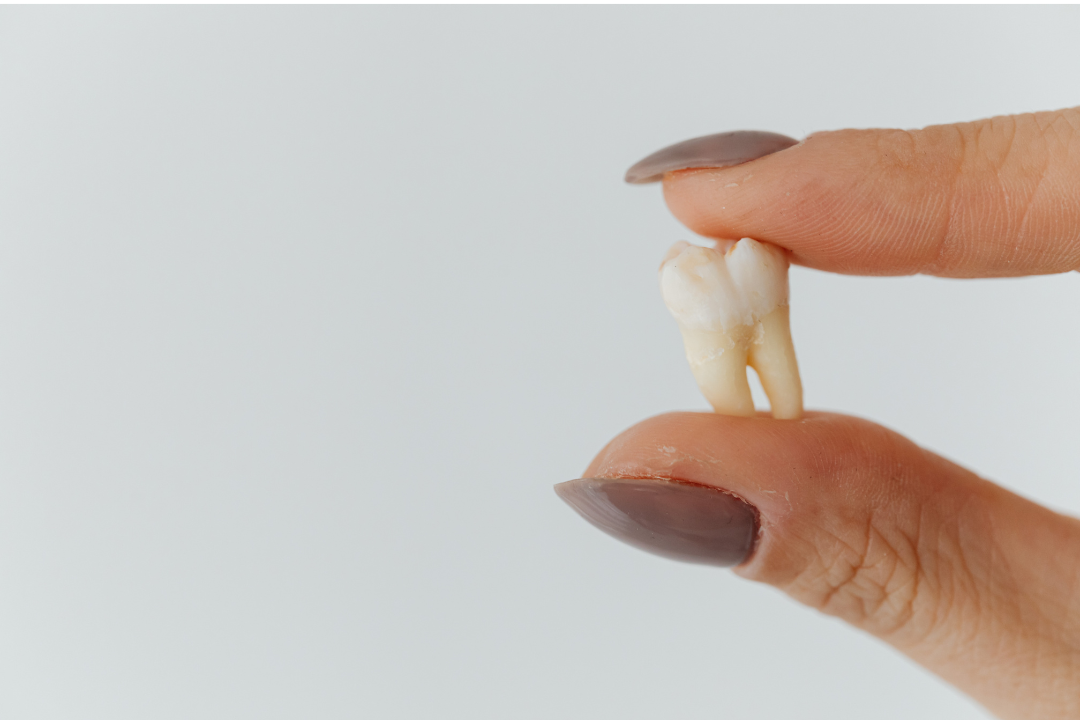
Will I feel pain during the extraction?
You should not feel pain during the extraction at all. We fully numb the area with local anesthesia before we touch anything. Most patients feel light pressure but no sharp pain. If you are anxious, nitrous oxide is available to help you relax. We hear it every week — patients say it was much easier than they expected. Your comfort matters before, during, and after the procedure.
How do I know if my tooth needs to be pulled or if a root canal could save it?
We decide after a full exam and digital X-rays, not before. Some teeth that look hopeless can actually be saved with a root canal. Others are too damaged or infected to keep. We will explain exactly what we find and why we recommend what we do. We will never push you toward extraction if another option makes sense. You get a clear answer fast, usually within minutes of your X-rays.
What should I do after an emergency tooth extraction in Tracy?
Bite down gently on gauze for about 30 to 45 minutes after you leave our office. Stick to soft foods like yogurt, soup, and mashed potatoes for the first day or two. Avoid straws, smoking, and hard foods. Keep the area clean but do not rinse hard. We hand you written instructions before you go home. If swelling gets worse after 48 hours or you develop a fever, call us right away.
Does the Tracy heat or dry weather affect tooth infections or healing?
Tracy summers are hot and dry, and that can cause dehydration, which slows healing after an extraction. Drink plenty of water in the days after your procedure. Dry air can also dry out the extraction site, so avoid breathing heavily through your mouth. Staying hydrated helps your body fight off infection faster. Patients near the Lincoln neighborhood who follow these tips tend to recover more smoothly and with less discomfort.
Visit Us Today
Schedule an Appointment or Call Us for a Emergency Tooth Extraction
If you or a loved one is experiencing a dental emergency, please seek immediate care. Call (209) 836-1748 or book an emergency appointment online via NexHealth. Visit 1431 N Tracy Blvd, Tracy, CA 95376 for trusted, immediate dental services when you need them most.

Phone

Location
1431 N Tracy Blvd
Tracy, CA 95376