




SERVICES
Dentures in Tracy, CA
Trusted Oral Surgery
Full Dentures vs. Partial Dentures: Choosing the Right Fit
This is the question we hear most often at our Tracy Blvd location. “Do I need full or partial?” The answer depends on one thing: how many healthy teeth you still have.
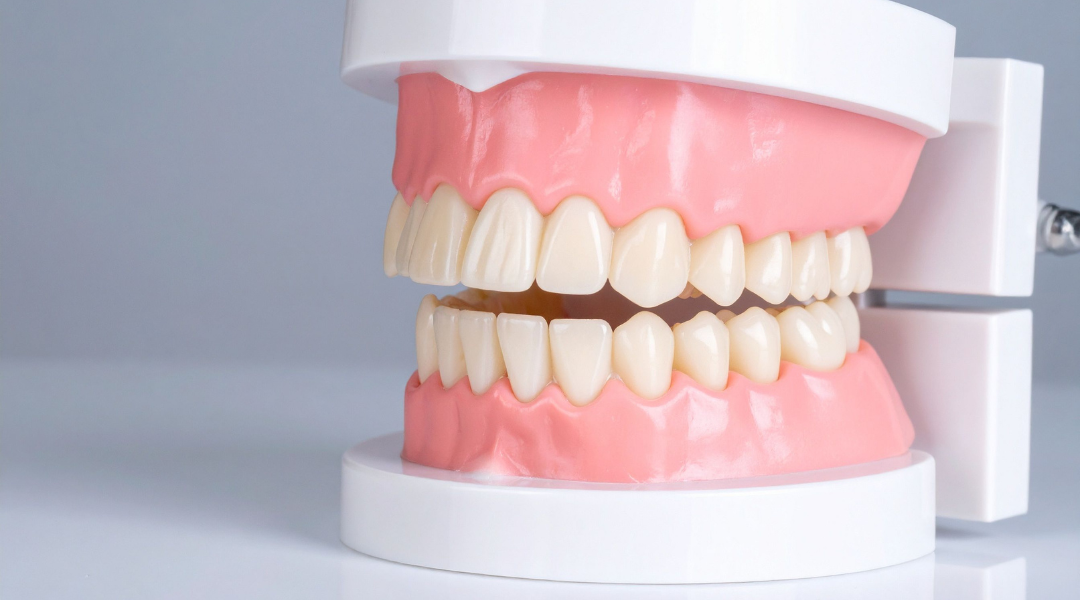
Full dentures replace every tooth on your upper arch, lower arch, or both. They rest directly on your gums and rely on suction plus a snug fit to stay in place. We recommend full dentures when the remaining teeth are too damaged or decayed to save. Sometimes patients come in hoping to keep a few teeth, but those teeth are actually causing more harm than good. Infections, bone loss, constant pain. Removing them and going with a full set can be a relief people don’t expect.
Partial dentures work differently.


Your Trusted Tracy Dentist
Since 2013
They clip onto your existing healthy teeth with small metal or tooth-colored clasps. A partial fills in the gaps where teeth are missing while your natural teeth do the heavy lifting for stability. We see a lot of patients near the Lincoln neighborhood who’ve been living with gaps for years, thinking it’s no big deal. But missing even two or three teeth shifts your bite over time, it puts extra stress on the teeth that remain.
So how do you know which route to take? Here’s what we look at during your exam:
- The number and location of missing teeth
- The health of your remaining teeth and gums
- Bone density in your jaw
- Your daily comfort and chewing needs
But here’s something worth knowing. Choosing between full dentures and partial dentures isn’t always permanent. Some patients start with a partial and move to a full set years later as their dental health changes. Others find that a partial is all they’ll ever need. We walk you through both paths so nothing catches you off guard down the road.
Educational
What to Expect During the Denture Process, Start to Finish
People put off getting dentures because they don’t know what’s involved. That’s fair. But the process is more straightforward than most folks expect, and we walk patients through it every single day at 1431 N Tracy Blvd.
Here’s how it works from your first visit to walking out with a finished set:
- Oral exam and impressions. We check your gums, any remaining teeth, and your jawbone. Then we take molds of your mouth. These impressions are the blueprint for everything that follows.
- Bite registration and shade matching. We record how your upper and lower jaws line up. We also pick a tooth shade that looks natural on you. Not too white, not too flat. Just right for your face.
- Wax try-in. You get a wax version of your dentures to try on. This is your chance to see how they’ll look and feel before we finalize anything. We make adjustments right there.
- Final fabrication. Once you approve the try-in, the lab builds your permanent dentures. Full or partial, the materials are durable and made to match your bite.
- Fitting and adjustments. You come back, we seat the finished dentures, and we fine-tune the fit. Small sore spots are normal at first. We handle those quickly.
Patients tell us the wax try-in is where they start feeling excited. They see themselves smiling again, it changes everything.
The whole process usually takes a few weeks. If you need extractions first, we may recommend healing time before fitting. Some patients near the Lincoln West neighborhood come in thinking they need to wait months. Usually it’s shorter than they imagined.
And here’s something people don’t always realize. Follow-up visits matter. Your gums change shape over the first few months, so we bring you back for adjustments. Skipping those visits is the number one reason dentures end up feeling loose later on.
But you won’t be guessing through any of this. We explain each step before we do it. No surprises. You’ll know exactly where you are in the process and what comes next every time you sit in the chair at our Tracy Blvd office.
Immediate Dentures: What They Are and What They Are Not
People walk into our office on Tracy Blvd all the time thinking immediate dentures are the same as permanent ones. They’re not. And that confusion causes real frustration if nobody explains the difference upfront.
Immediate dentures are a temporary set we make before your teeth get pulled. We take impressions, build the dentures in advance, then place them right after your tooth extractions. You walk out the same day with teeth. No gap. No waiting weeks with nothing in your mouth while your gums heal.
Sounds perfect, right? Here’s the catch.
Your gums and jawbone change shape fast after extractions. We’re talking noticeable shrinkage in the first few months. That means immediate dentures won’t fit the same way six weeks later as they did on day one. They’re a bridge to get you through healing, they’re not meant to be your forever solution. Nine times out of ten, patients who skip this explanation end up confused when their dentures start feeling loose.
So what do immediate dentures actually do well? A few things:
- Protect the extraction sites while tissue heals
- Let you eat and speak without a gap in your smile
- Help you adjust to wearing dentures before your permanent set arrives
- Reduce swelling by acting like a bandage over your gums
We’ll need to reline or adjust them several times during healing. That’s normal. Most patients near the Lincoln West neighborhood come back for their first adjustment within two to three weeks. After your mouth fully heals, usually four to six months out, we fit you for your permanent full or partial dentures.
One thing immediate dentures are not is optional for everyone. Some patients can wait for a conventional set if only a few back teeth need removal. But if you’re losing visible front teeth? You’ll want something in place right away. According to the American College of Prosthodontists, over 36 million Americans are missing all their teeth, and many rely on immediate dentures during that period.
Think of them as training wheels. They get you moving, keep you confident, and buy your body time to heal properly at our 1431 N Tracy Blvd office before we create the real thing.
Adjusting to New Dentures: The First Weeks at Home
Nobody walks out of our Tracy Blvd office and feels totally normal right away. That’s just not how dentures work.
Your mouth needs time. Your tongue needs to figure out where this new thing is. Your cheeks need to learn how to move around it. We tell every patient the same thing: give yourself grace during the first two to three weeks. It’s a real adjustment, and that’s okay. According to the American Dental Association, most patients adapt to new dentures within 30 days when they follow their dentist’s guidance.
What to Expect Day by Day
The first few days are the hardest. Here’s what most people go through:
- Days one through three feel awkward. You’ll produce extra saliva, your speech might sound a little off, and eating takes concentration.
- By the end of week one, your gums start adjusting to the pressure points. Some soreness is normal.
- Around week two, you’ll notice eating gets easier. Start with soft foods and work your way up.
- By week three or four, most patients tell us the dentures just feel like part of their mouth.
Stick with soft foods early on. Think scrambled eggs, mashed potatoes, yogurt. Cut everything into small pieces and chew on both sides at the same time. That keeps the dentures stable while you eat. And don’t skip meals because you’re frustrated. Your body needs fuel to heal.
Reading out loud helps with speech. It sounds funny, but it works. Pick up a magazine or read to your kids. Your tongue learns fast.
Sore spots happen. If one area stays painful past a few days, come see us. We can adjust the fit in minutes. Patients near the Lincoln neighborhood and across Tracy stop by for quick adjustments all the time, it’s a normal part of the process.
But don’t try to adjust dentures yourself. Bending or filing them at home causes real damage. That’s a mistake we’d rather help you avoid.
Keep your follow-up appointments. We check the fit, look at your gum tissue, and make small tweaks that save you weeks of discomfort. Your dentures should work for you. Not against you.
Keeping Dentures Fitting Well Over Time
Your dentures fit great on day one. But your mouth keeps changing long after that.
Bone and gum tissue shift gradually once teeth are removed. According to the American College of Prosthodontists, most denture wearers need some form of adjustment within the first few years. That’s not a sign something went wrong. It’s just biology. The ridge that supports your dentures slowly reshapes itself, and what felt snug six months ago can start feeling loose. We see this every single week at our Tracy Blvd office.
So what does “maintenance” actually look like for dentures? Here’s what we recommend to our patients in Tracy:
- Come in for a checkup at least once a year so we can assess the fit and check your oral tissue
- Don’t ignore sore spots or clicking sounds, those are early signs the fit has changed
- Clean your dentures daily with a soft brush and denture-safe cleaner, not regular toothpaste
- Remove them at night to let your gums rest and recover
- Avoid using over-the-counter adhesive as a long-term fix for a loose fit
That last one matters more than people think. Adhesive can mask a real problem. If your dentures need relining or rebasing, no amount of adhesive paste fixes the underlying issue. We’d rather catch it early and make a quick adjustment than let it turn into tissue irritation or bone loss.
Wondering if your current dentures still fit the way they should? That’s actually a question worth asking out loud. A lot of folks near the Lincoln neighborhood come in thinking they need brand-new dentures when a simple reline does the job. We check the bite, look at how the base sits against your ridge, and figure out the least invasive fix.
And here’s something people forget. Even with dentures, you still need oral exams. We screen for oral cancer, check your gum health, and make sure nothing’s developing underneath. Your mouth didn’t stop needing care just because natural teeth are gone. Regular visits to our Tracy office keep everything on track, your comfort included.
FAQ
Common Questions
What should I bring to my first denture appointment at 1431 N Tracy Blvd?
Bring your insurance card, a photo ID, and a list of any medications you take. If you have recent dental x-rays from another office, bring those too — it saves us time. Wear comfortable clothes and plan for about an hour. We’ll do an oral exam, take impressions, and talk through your options. You won’t leave guessing. You’ll know exactly what comes next before you walk out the door.
How long does the full denture process take from start to finish?
Most patients complete the process in three to six weeks from their first visit at our Tracy office. That includes impressions, bite registration, a wax try-in, and final fitting. If you need extractions first, we may add healing time before we fit your permanent set. Immediate dentures can get you through that healing gap so you’re never without teeth. Follow-up adjustment visits are part of the process — don’t skip them.
Is parking easy at the 1431 N Tracy Blvd location?
Yes, parking is straightforward at our Tracy Blvd office. There’s on-site parking available, so you won’t be circling the block before your appointment. If you’re coming from the Lincoln neighborhood, the drive is short and the lot is easy to find. We recommend arriving five to ten minutes early for your first visit so you have time to fill out paperwork without feeling rushed before we get started.
How do I know if I need full dentures or a partial?
It comes down to how many healthy teeth you still have. If most or all of your teeth are damaged or missing, full dentures are usually the right call. If you still have several healthy teeth, a partial clips onto those and fills the gaps. We use digital x-rays and a full oral exam to make that call with you — not for you. Most patients in Tracy already have a gut feeling, and they’re usually right.
Will my dentures feel loose after a few months?
Some loosening is normal, especially in the first few months after getting dentures. Your gums change shape as they heal, and that affects the fit. That’s exactly why we schedule follow-up visits at our Tracy Blvd office. Skipping those adjustments is the main reason dentures end up feeling sloppy later on. We reline and adjust as needed so your fit stays comfortable. Don’t wait until it’s a problem — come in early.
Can I eat normally with dentures?
Yes, most patients eat comfortably with dentures once they adjust to the fit. The first few weeks take practice — start with soft foods and work up from there. Full dentures rely on suction and fit, so chewing technique matters at first. Partials tend to feel more stable because they anchor to your natural teeth. Patients in Tracy who stick with their follow-up visits and adjustments almost always report a much better eating experience long-term.
Visit Us Today
Schedule an Appointment for Dentures
Maintain the stability and appearance of your newly aligned smile. Contact Smiles Dental Spa to schedule an appointment for dental retainers and space maintainers with Dr. Shirley Zhao.
Contact our office at (209) 836-1748 or conveniently schedule your appointment online through NexHealth. Visit us at 1431 N Tracy Blvd, Tracy, CA 95376—trusted care tailored for your family.

Phone

Location
1431 N Tracy Blvd
Tracy, CA 95376