




SERVICES
Dental Fillings in Tracy, CA
Treatments
Signs Your Tooth Is Telling You It Needs a Filling
You bite into something cold and feel a sharp zing. Or maybe you notice a dark spot while brushing one morning. These are the moments that bring folks from all over Tracy to 1431 N Tracy Blvd.
Most people don’t realize they need dental fillings until the signs get hard to ignore. That’s normal. Tooth decay starts small, sometimes so small you can’t see it yourself.

Your Trusted Tracy Dentist
Since 2013
Here’s what to watch for:
- Sensitivity to hot, cold, or sweet foods that lingers after you stop eating
- A visible hole or dark spot on any tooth surface
- Pain when you bite down, even if it’s mild
- Food getting stuck in the same spot every single time
- A rough or jagged edge your tongue keeps finding
We see patients every week who say the same thing. “I thought it would go away on its own.” It won’t. Decay doesn’t reverse once it breaks through your enamel. According to the Centers for Disease Control and Prevention, over 90 percent of adults have had at least one cavity. So if you’re dealing with this, you’re far from alone.
Sometimes there are no obvious symptoms at all. That’s the tricky part. A cavity can sit between two teeth where you’d never spot it without digital dental x-rays. This is exactly why we catch so many early cavities during routine oral exams and cleanings. The ones you can’t feel yet are often the easiest to fix.
Not sure if what you’re feeling is a cavity or just sensitivity? That’s actually pretty common. People in the Lincoln neighborhood come in thinking they cracked a tooth when it turns out to be a small area of decay. Others assume it’s nothing, then find out the cavity has grown deeper than expected.
Here’s what we tell everyone. If something feels off, trust that feeling. A small filling now is always better than a root canal later. And the sooner we take a look, the more options you’ll have for a quick, simple fix.
Educational
What Waiting Too Long Actually Costs Your Tooth
A small cavity doesn’t hurt. That’s the tricky part.
You might notice a dark spot or feel something rough with your tongue. Maybe cold drinks sting for a second. But it goes away, so you figure it’s fine. We see this every single week. Someone comes in after months of ignoring a little sensitivity, and now that tiny cavity has turned into something much bigger.
Here’s what actually happens when you wait. Decay doesn’t stop. It moves through the layers of your tooth at its own pace, and it doesn’t care about your schedule. What starts as a small spot in the enamel works its way deeper into the softer dentin layer underneath. Once it hits that layer, things speed up fast. The cavity grows wider, it gets closer to the nerve, and your options start shrinking.
According to the American Dental Association, untreated cavities are one of the most common chronic conditions in adults. That stat doesn’t surprise us one bit.
When decay reaches the pulp of your tooth, a simple dental filling is off the table. Now you’re looking at root canal therapy or even a tooth extraction. Those are bigger procedures with longer recovery times. And they cost more. A lot more. The thing is, dental fillings could’ve handled the problem months ago if you’d come in sooner.
Watch for these signs that a cavity is getting worse:
- Sharp pain when biting down on food
- Sensitivity to hot or cold that lingers more than a few seconds
- A visible hole or dark staining on the tooth surface
- Throbbing or aching that wakes you up at night
Ready to get it checked? Give us a call before that small spot becomes a big problem.
How the Filling Appointment Works, Step by Step
Most people feel nervous because they don’t know what’s coming. So let’s walk through it.
We do dental fillings at our Tracy office on 1431 N Tracy Blvd every single day, and the process is pretty much the same each time. No surprises. Here’s what happens from the moment you sit down:
- We get you numb. A small amount of local anesthetic goes right near the tooth. You’ll feel a tiny pinch, then nothing. We wait a few minutes to make sure it’s fully working before we touch anything.
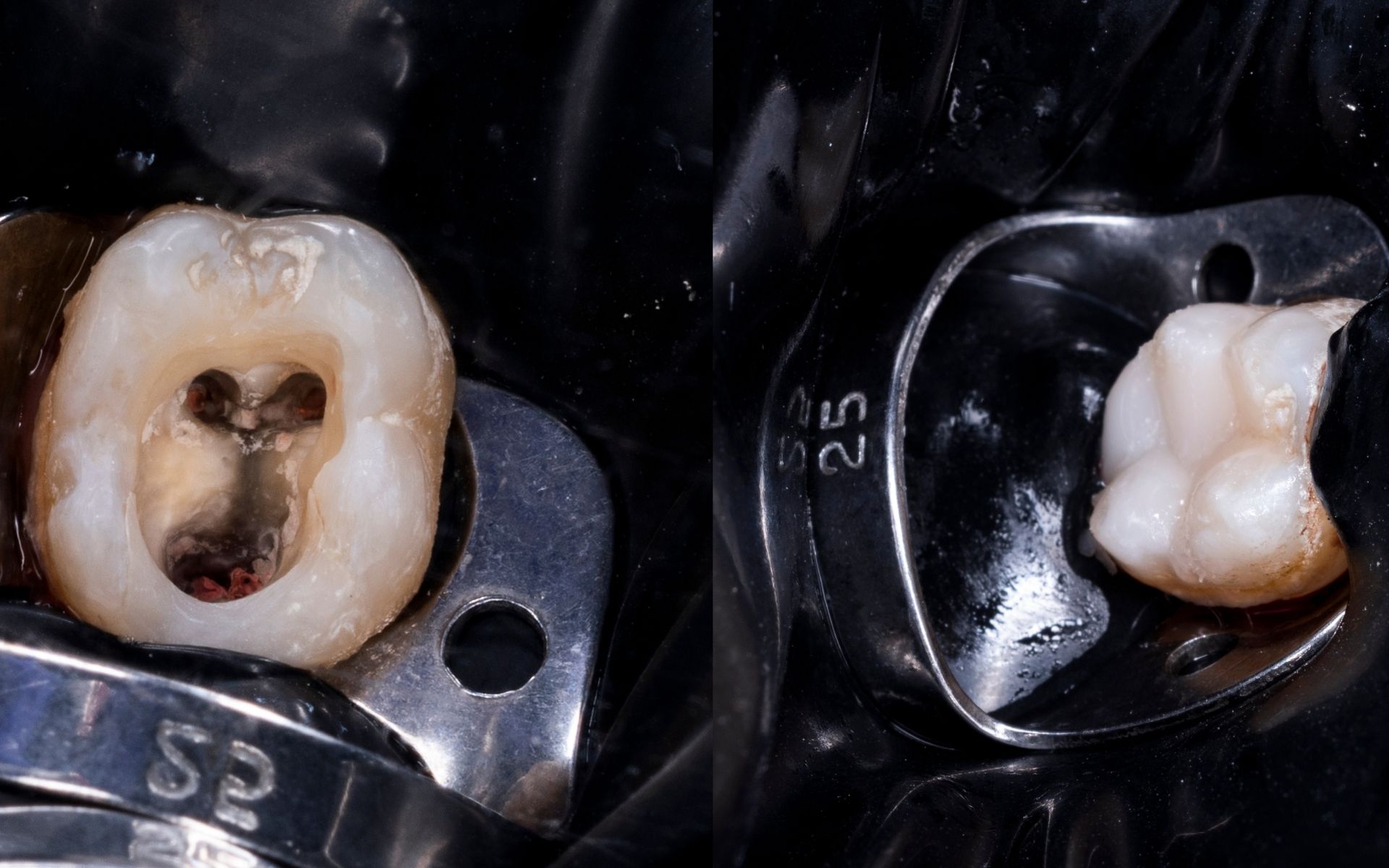
- We remove the decay. Using a small handpiece, we clean out every bit of damaged tooth structure. This is the part people worry about most, but you won’t feel it. Just some vibration and water.
- We prep the surface. Once the decay is gone, we shape the space so the filling material bonds tight. We keep the area dry and clean.
- We place the filling. The material goes in layer by layer. Each layer gets cured with a special light that hardens it in seconds.
- We shape and polish. You’ll bite down on a thin piece of marking paper. We adjust any high spots until your bite feels completely normal. Then we smooth everything out.
That’s it. Start to finish, most dental fillings take about 30 to 45 minutes. Smaller cavities can be done in 20.
Nine times out of ten, patients tell us it was way easier than they expected. The numbing wears off in a couple hours, you can eat on the other side right away. By the next morning, most folks forget which tooth we worked on.
And here’s something people don’t always realize. You can drive yourself home. You can go back to work. There’s no sedation hangover unless you’ve chosen nitrous oxide, which clears your system in minutes anyway.
We see a lot of patients from the Banta and Lincoln neighborhoods who pop in on a lunch break, get a filling done, and head right back to the office. It really is that simple.
Want to know if you need one? Give us a call and we’ll get you in quick.
Tooth-Colored Fillings vs. Silver Fillings: What to Expect
Most folks who walk into our office already have a preference. They just don’t know if it’s the right one.
Here’s the short version. Silver fillings, called amalgam, have been around for over a hundred years. They’re strong. They hold up well on back teeth that take heavy chewing force. But they’re dark, they’re visible, and they expand and contract with temperature changes over time. Tooth-colored fillings, made from composite resin, bond directly to your tooth structure. They blend in. And they let us keep more of your healthy tooth intact during the prep work.
We place composite fillings on about nine out of ten patients now. That’s not because silver is bad. It’s because most people want a result that looks natural, and the materials have gotten really good. According to the American Dental Association, modern composite resins perform well for small to mid-sized dental fillings in both front and back teeth.
So what should you actually expect with each option?
- Composite resin matches your tooth shade almost exactly, so nobody sees it when you laugh or talk
- Amalgam tends to last longer on large restorations in molars that handle serious bite pressure
- Composite bonds to the tooth, which can mean less drilling and more preserved enamel
- Silver fillings don’t require as dry a placement environment, which matters in certain tough-to-reach spots
We talk through this with every patient before we start. Your bite, the size of the cavity, where it sits in your mouth, these all factor in. A small cavity on a premolar is a different conversation than a deep one on a lower molar. We see this every single week, people surprised that the answer isn’t always the same for every tooth.
One thing patients from the Lincoln West neighborhood and all across Tracy tell us they appreciate is honesty about what’ll actually hold up in their mouth long term. That matters more than picking what sounds good online. If you’re not sure which filling material makes sense for your situation, that’s completely normal. We’ll look at your tooth together on our digital dental x-rays and walk you through it right here at 1431 N Tracy Blvd before anything happens.
Fillings for Kids: Why Baby Teeth Still Need Treatment
“They’re just baby teeth. They’ll fall out anyway.” It makes sense on the surface. But skipping dental fillings on a baby tooth can cause real problems that follow your child for years.
Baby teeth hold space for adult teeth. That’s their main job beyond chewing. When a cavity gets bad enough to cause an infection or early tooth loss, the teeth around it shift. Then the permanent tooth underneath has nowhere to go. Crowding, misalignment, pain. All from one untreated cavity.
Kids also feel tooth pain just like adults do. A cavity that hits the nerve can make it hard for your child to eat, sleep, or focus at school. We’ve seen kids come into our office at 1431 N Tracy Blvd holding their jaw, and the parents had no idea a small dark spot had turned into something serious. Catching it early with a filling is so much easier on everyone.
What a Pediatric Filling Looks Like
The process is gentle. Our team works with kids every day, so how to keep them calm. Here’s what happens:
- We do a pediatric oral examination to check the tooth and take digital dental x-rays if needed.
- We numb the area so your child won’t feel the work being done.
- We remove the decay carefully and place the filling material.
- We check the bite and make sure everything feels right before your child hops out of the chair.
For anxious kids, we offer nitrous oxide to help them relax. It wears off fast, so they’re back to normal by the time you reach the car.
And here’s something parents in the Lincoln West neighborhood often ask about: sealants. Dental sealants can protect your child’s other teeth from getting cavities in the first place. So while we’re treating one tooth, we can help prevent the next problem too.
Don’t wait until your child complains. Kids are tough, they often don’t mention pain until it’s pretty far along. If you notice a dark spot or your child avoids chewing on one side, that’s your signal. A quick visit for dental fillings now saves your child from bigger treatment later.
FAQ
Common Questions
What should I bring to my dental filling appointment at 1431 N Tracy Blvd Tracy?
Bring your dental insurance card, a photo ID, and a list of any medications you take. If you have dental anxiety, let us know ahead of time so we can help you feel comfortable. Arrive a few minutes early to fill out any paperwork. Wear comfortable clothes. You will be numb for a couple of hours after, so plan your meals around that. Most patients drive themselves home with no trouble at all.
How long does it take to feel normal after a dental filling?
Most patients feel completely back to normal within a few hours after their filling. The local anesthetic wears off in about one to two hours. You can eat soft foods right away on the other side of your mouth. By the next morning, most people forget which tooth we even worked on. If you feel any soreness or sensitivity for a few days after, that is normal and fades quickly on its own.
Is parking easy at the Tracy office on N Tracy Blvd?
Yes, parking at our 1431 N Tracy Blvd Tracy location is simple and free. There is plenty of space right outside the office. Many patients from the Lincoln neighborhood and nearby areas drive over during a lunch break, get their filling done, and head straight back to work. No need to stress about finding a spot or being late because of parking. Just pull in and walk right in.
Can a cavity get worse if I wait to get a filling?
Yes, a cavity will keep growing if you leave it alone. Decay does not stop or heal on its own once it breaks through your enamel. It moves deeper into your tooth over time, getting closer to the nerve. What starts as a small, simple filling can turn into a root canal or even a tooth removal if you wait too long. The sooner you come in, the easier and faster the fix will be for you.
How do I know if I need a filling or something more serious?
A filling is usually enough when you catch decay early. Signs like mild sensitivity, a small dark spot, or food getting stuck in one spot are good signals to come in soon. If you have throbbing pain, pain that wakes you up at night, or swelling, the decay may have reached the nerve already. We will take digital x-rays to see exactly what is going on and give you a clear answer right away.
Are tooth-colored fillings strong enough for back teeth?
Yes, tooth-colored composite fillings work well on back teeth for most patients. The material bonds directly to your tooth and holds up to normal chewing. They look natural and blend right in with your smile. For very large cavities on heavy-use molars, we may talk through other options with you. But for the majority of fillings we do here in Tracy, composite material handles the job just fine and lasts for years.
Visit Us Today
Schedule an Appointment for a Dental Filling
Maintain the stability and appearance of your newly aligned smile. Contact Smiles Dental Spa to schedule an appointment for dental retainers and space maintainers with Dr. Shirley Zhao.
Contact our office at (209) 836-1748 or conveniently schedule your appointment online through NexHealth. Visit us at 1431 N Tracy Blvd, Tracy, CA 95376—trusted care tailored for your family.

Phone

Location
1431 N Tracy Blvd
Tracy, CA 95376