SERVICES
Bone Grafting in Tracy, CA
Trusted Oral Surgery
Why Bone Grafting is the Foundation for a Perfect Tracy Smile
If you’ve been told you need a bone grafting procedure, it might sound a bit intimidating. But in reality, it is a very common and essential step for many of our neighbors in Tracy who want to get dental implants or fix damage caused by gum disease.
Think of your jawbone like the foundation of a house. If the ground is too soft or there isn’t enough of it, you can’t build a sturdy structure on top. Whether you live in the newer homes in Tracy Hills or the established neighborhoods near downtown, bone grafting provides the “solid ground” your mouth needs to support a beautiful, lasting smile.
Your Trusted Tracy Dentist
Since 2013
Educational
What Exactly is Bone Grafting?
When you lose a tooth, the bone that used to hold it in place starts to shrink (resorb) because it no longer has a job to do. Bone grafting is a minor procedure where we place a small amount of new bone material in the area where your jaw has thinned out.
This material doesn’t just sit there, it actually acts as a “scaffold.” It signals your body to grow its own new, live bone in that spot. Over a few months, your body replaces the graft with your own natural bone, making the area strong enough to hold a dental implant or a bridge.
Why You Might Need a Bone Graft
We see patients from all over who need this for different reasons:
- Dental Implant Prep: If you want an implant but your tooth has been missing for a while, we likely need to “bulk up” the bone so the implant has something to grip.
- Socket Preservation: If we perform a simple extraction, we often place a small graft right away. This prevents the bone from collapsing while the site heals.
- Gum Disease (Periodontitis): Advanced infection can eat away at the bone holding your teeth in place. A graft can help save those teeth by rebuilding the support system.
- Sinus Lift: For upper back teeth, your sinus might be too close to the jaw. We do a special graft to lift the sinus floor and create room for implants.
What to Expect During and After the Visit
We know that “bone surgery” sounds like it would hurt, but most of our Tracy patients are surprised by how easy it is. The procedure is done right here in our office under local numbing. Most people say it feels no different than getting a filling.
The Recovery Phase:
- First 24 Hours: You might have some minor swelling or “grittiness” in your mouth (which is just tiny pieces of the graft material).
- The “Wait” Period: While you’ll feel back to normal in a few days, the real work happens under the surface. It usually takes 3 to 6 months for the graft to fully fuse with your jaw.
- Care: Stick to soft foods for a few days and avoid brushing the site directly until we give you the “all clear.”
According to the American Association of Oral and Maxillofacial Surgeons, bone grafting is a highly predictable procedure with a very high success rate. The Mayo Clinic also notes that a strong jawbone is the most important factor in the long-term success of dental implants.
Trusted Care for the Tracy Community
We understand that you have a busy life, whether you’re commuting over the Altamont Pass or managing a household in the Hidden Lake area. We use the latest 3D dental imaging to map out your bone structure before we start, so there are no surprises. We’ll show you exactly where the bone is thin and how the graft will fix it.
By taking this step now, you are protecting your face shape and ensuring that your future dental work stays solid for decades. We are here to answer every question and make sure you feel totally confident in your plan.
Ready to Build a Stronger Smile?
If you’re considering an implant or have been told you have bone loss, let’s take a look. A bone graft is the best way to ensure your smile has a foundation that lasts.

FAQ
Common Questions
How painful is bone grafting?
A dental bone graft procedure typically doesn’t hurt during the surgery because you’ll be numbed with local anesthesia or potentially given sedation. After the procedure, it is normal to experience some mild discomfort, such as swelling and bruising, which can usually be managed with over-the-counter pain relievers.
Does bone grow back after a graft?
Yes; the bone graft material acts as a scaffold upon which your own body can build new, living bone. Over time, your body replaces the graft material with your own natural bone, effectively regenerating the lost volume in your jaw.
What is the downside of a bone graft?
While safe, the downsides include common side effects like pain, swelling, and bruising. There are also small risks of complications, such as infection, nerve injury, or the possibility that the body might reject the bone graft material.
How long after a bone graft can I get an implant?
Recovery times vary, but most people are ready for dental implants several months after the grafting procedure. Your dentist will monitor your progress and use imaging to confirm that there is enough strong, new bone to support the implant.
Are you awake during bone grafting?
It depends on the complexity of the procedure and your comfort level. Many bone grafts are performed using only local anesthesia, meaning you are awake but numbed, though sedation options are also available to help patients feel more relaxed or sleepy.
What happens if I don’t get a bone graft after tooth extraction?
If a bone graft isn’t performed when needed, the jawbone in the area of the missing tooth will begin to recede and lose volume. This can lead to a “collapsed” appearance in the face and may prevent you from being a candidate for dental implants later on.
When can I eat solid food after a bone graft?
You should stick to a soft-food diet, such as mashed potatoes, yogurt, and smoothies, for the first few days following surgery. You can typically transition back to solid foods as your comfort level increases and the surgical site begins to heal, usually after the first week.
Visit Us Today
Schedule an Appointment for Bone Grafting
Maintain the stability and appearance of your newly aligned smile. Contact Smiles Dental Spa to schedule an appointment for dental retainers and space maintainers with Dr. Shirley Zhao.
Contact our office at (209) 585-1475 or conveniently schedule your appointment online through NexHealth. Visit us at 1431 N Tracy Blvd, Tracy, CA 95376—trusted care tailored for your family.

Phone

Location
1431 N Tracy Blvd
Tracy, CA 95376
Maintaining Alignment After Orthodontic Treatment
How Retainers Work
Custom-made to comfortably fit your mouth, orthodontic retainers hold your teeth steady while your jawbone hardens around them in the correct position. This prevents relapse, maintaining your hard-earned results for a lifetime.
Dr. Zhao will highly recommend the best type of retainer for your unique treatment plan and lifestyle. For children who have lost a baby tooth, she may also include space maintainers to preserve proper spacing until the permanent teeth erupt. Patients typically wear retainers full-time at first, then transition to nighttime wear for ongoing maintenance.
Types of Retainers

Clear Retainers (Essix)
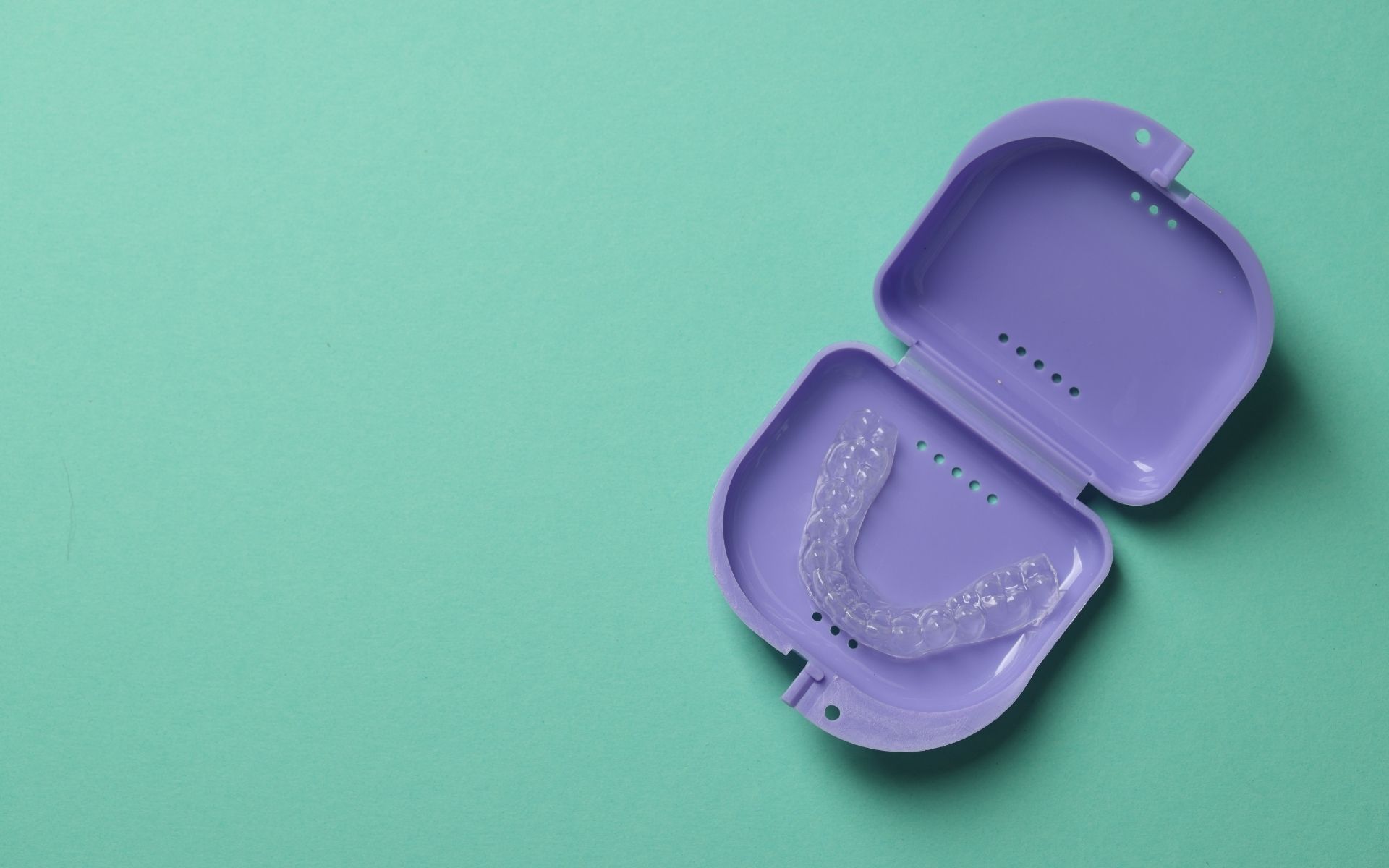
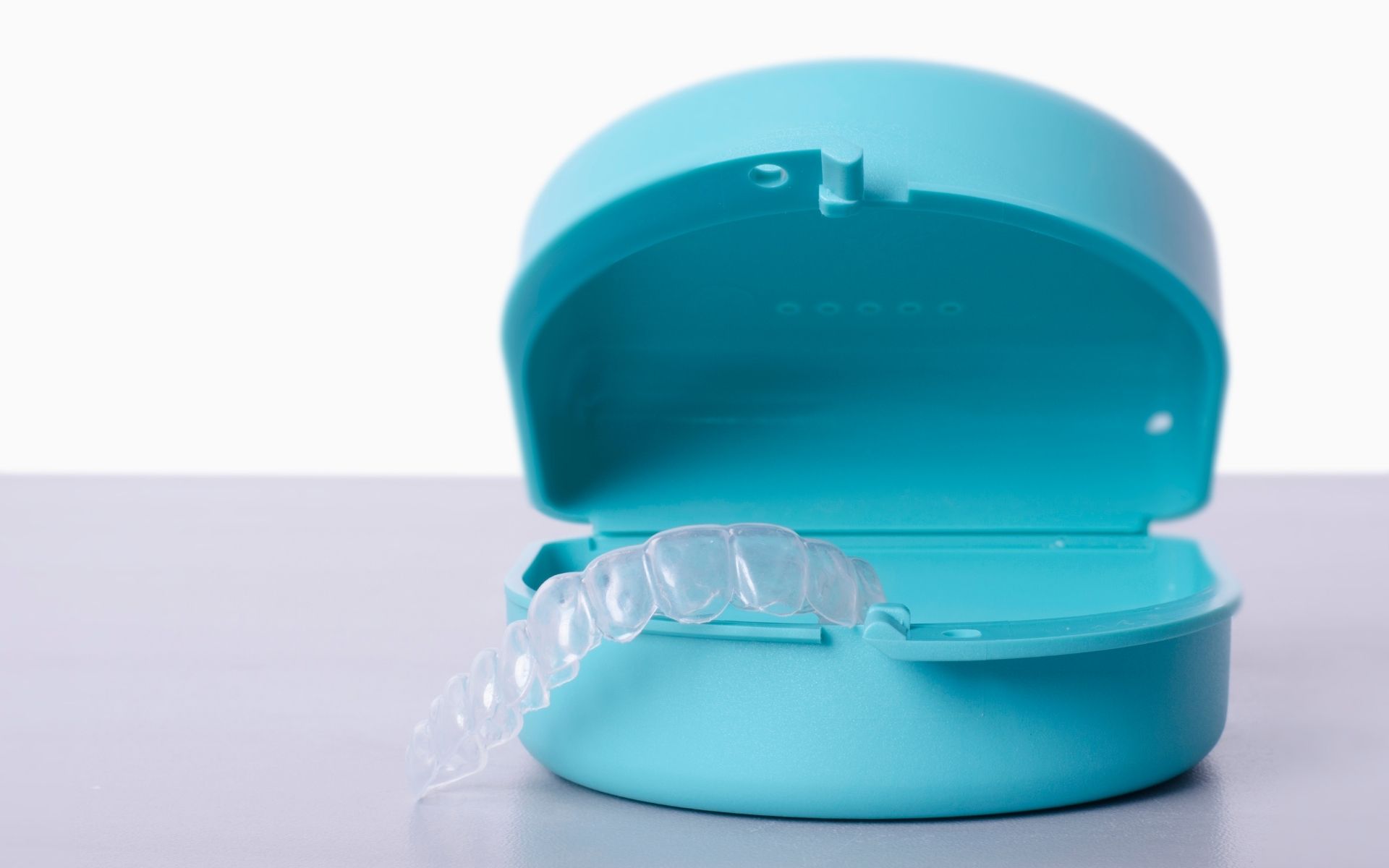
Transparent, removable plastic retainers that fit snugly over your teeth. Discreet, easy to clean, and ideal for patients seeking a low-profile option, including those with artificial teeth.

Hawley Retainers:
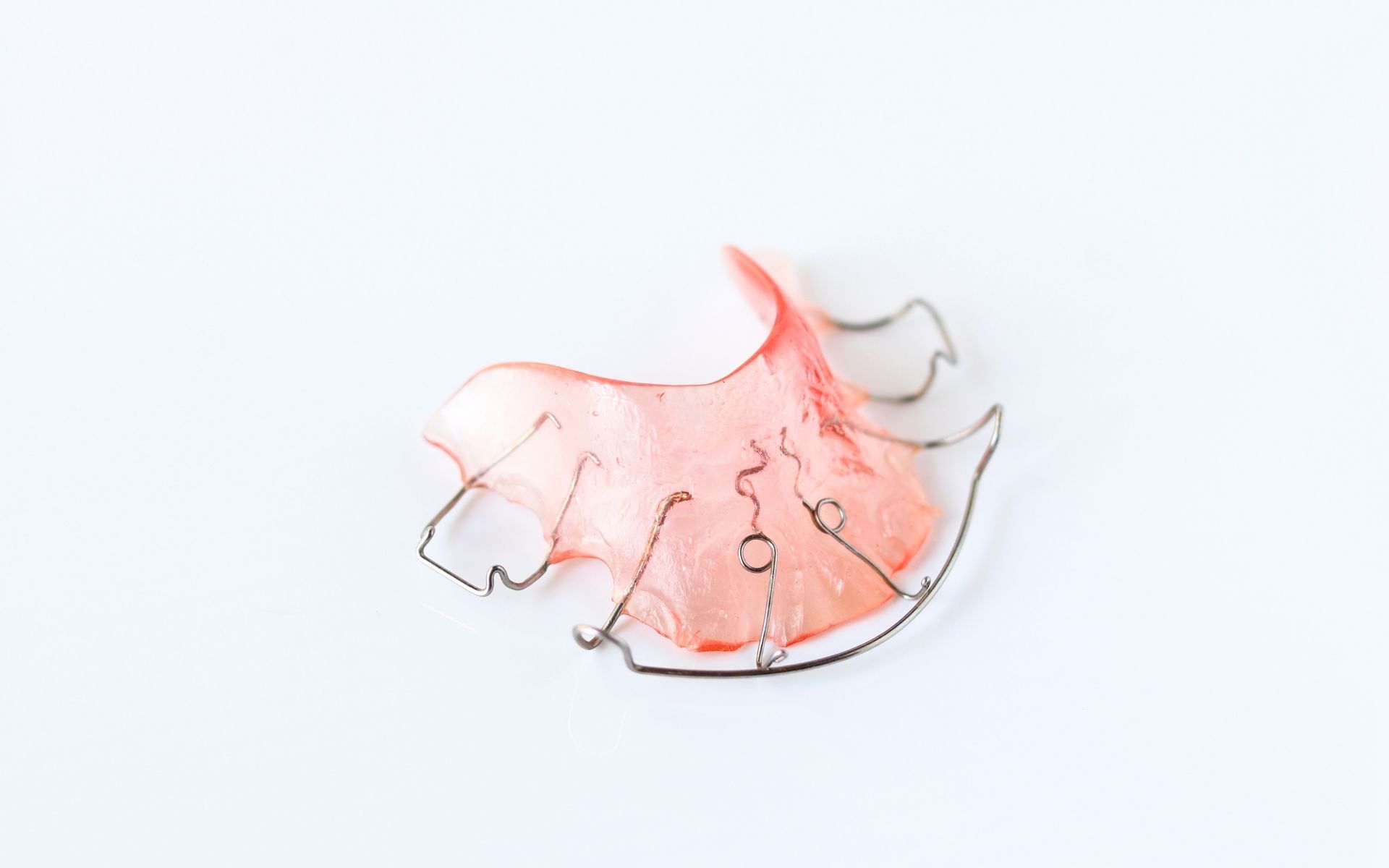
Made with a durable plastic base and metal wire, adjustable and long-lasting. They allow your bite to settle and provide a customizable fit.

Fixed Retainers
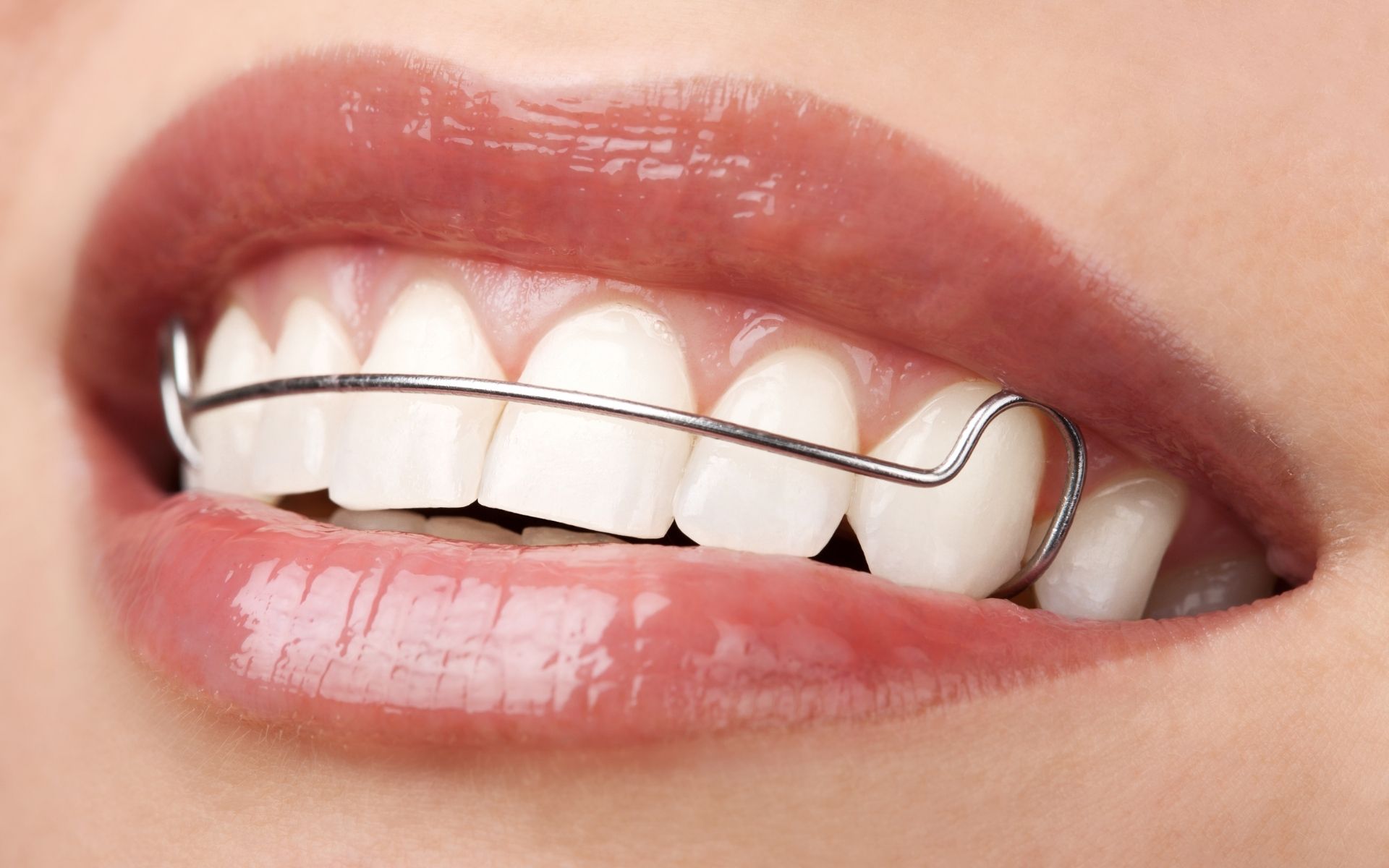
Thin wires bonded permanently to the back of your front teeth, offering continuous support without needing to remember wear time. Patients must maintain careful hygiene to prevent plaque buildup, especially around artificial teeth.
Simple Daily Habits for Long-Lasting Results
Caring for Your Retainers and Space Maintainers
Proper oral hygiene is essential for retainers and space maintainers to function well and stay comfortable:
- Brush and floss thoroughly, including around appliances
- Clean removable space maintainers daily with a soft toothbrush and mild soap
- Avoid heat or hot water that could deform plastic retainers
- Schedule regular office visits to check fixed retainers and space maintainers
- Follow Dr. Zhao’s instructions precisely for wear time and care
Maintaining your appliances protects your investment and ensures your smile stays healthy and aligned.