




SERVICES
Surgical Extractions in Tracy
Emergency Services
When a Tooth Requires More Than a Simple Pull
Sometimes a tooth just won’t come out the easy way.
Maybe it broke off at the gumline from decay. Maybe the roots grew in a curve or fused into the jawbone. Or maybe you’ve got a wisdom tooth sitting sideways under the gum that never erupted at all. These are the cases where a simple extraction won’t work, and surgical extractions become the right call. We see this at our Tracy office more often than you’d think.
So what makes a tooth “surgical” instead of simple? It comes down to access. A simple extraction works when the tooth is visible, intact, and loose enough to grip. But when the tooth is hidden, fractured, or locked in place by dense bone, we need a different approach. That’s not a bad thing. It just means the situation calls for more precision.


Your Trusted Tracy Dentist
Since 2013
Here are the most common reasons a tooth needs surgical extractions instead of a standard pull:
- The crown snapped off, leaving only root fragments below the gumline
- Impacted wisdom teeth trapped under bone or soft tissue
- Roots that are curved, hooked, or unusually long
- Teeth weakened by prior root canal treatment that crumble under pressure
- Bone has grown tightly around the tooth after years of chronic infection
The word “surgical” sounds intimidating. We get that. But it really just means we make a small opening in the gum tissue, remove a thin layer of bone if needed, and take the tooth out in sections. Controlled. Predictable. Quick.
Folks in the Lincoln neighborhood and across Tracy often wait too long because they’re nervous about the procedure. By the time they visit us, the tooth has been causing pain for weeks. You don’t have to sit with that. According to the American Dental Association, early evaluation of problem teeth leads to fewer complications and faster healing. The sooner we look at it, the simpler the whole process tends to be.
Educational
In-Office Oral Surgery Without Leaving Tracy
You shouldn’t have to drive to Stockton or Modesto for a surgical extraction. That’s something we hear from patients all the time, and it’s one of the reasons we built our practice at 1431 N Tracy Blvd the way we did.
We handle surgical extractions right here. Same building, same team you already know.
A lot of folks assume they’ll need a referral to an oral surgeon across town. Sometimes that’s true for very complex cases. But most surgical extractions don’t require a hospital or a separate surgical center. Our office is set up with 3D dental imaging and the instruments needed to safely remove teeth that are broken below the gumline, partially erupted, or stuck against bone. We do this work every single week.
So what does “in-office” actually look like for you? Here’s the short version:
- You come in for an exam and we take digital images to see exactly what’s going on beneath the surface.
- We walk you through what we find, no rush, no pressure.
- On procedure day you sit in the same chair you’d sit in for a dental cleaning. We use local anesthesia and offer nitrous oxide if you want it.
- The surgical extraction itself usually takes 30 to 60 minutes depending on the tooth.
- You leave with clear aftercare instructions and our direct number.
Families near the Banta and Lincoln neighborhoods tell us they picked our office because they didn’t want to juggle appointments at two different places. That makes sense. Keeping everything under one roof means your records stay together, your follow-up is simpler, and you’re seeing the same doctor who already knows your mouth.
And if something comes up after the procedure, you’re five minutes away. Not an hour.
Our team has years of hands-on experience with surgical extractions ranging from stubborn wisdom teeth to fractured molars that other offices couldn’t pull with a simple extraction. We’ve seen the tricky ones, the ones where the root curves in a weird direction or the bone has grown tight around the tooth. Those don’t scare us.
Staying local for oral surgery isn’t just convenient, it changes the whole experience.
Imaging and Planning Before the First Incision
You wouldn’t start a road trip without looking at a map. Same idea here. Before any surgical extraction, we need to see exactly what’s going on beneath your gums. Every patient who comes through our doors at 1431 N Tracy Blvd gets that same careful look before we plan anything.
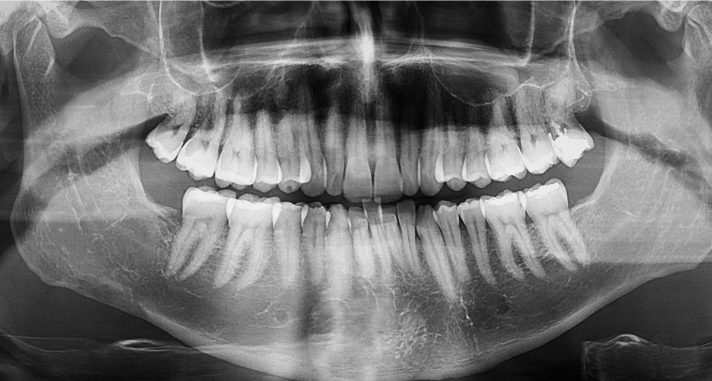
That starts with digital dental X-rays. A standard X-ray shows us the tooth’s roots, the bone around it, and whether there’s infection hiding underneath. But sometimes a flat image isn’t enough. Teeth can curve in odd directions. Roots can wrap around each other or sit dangerously close to a nerve. We see this more often than you’d think.
When We Need a Closer Look
For trickier cases, we use 3D dental imaging. This gives us a full picture of your jaw from every angle. We can measure bone density, locate the exact position of nerves, and spot things a regular X-ray would miss completely. It takes about 15 seconds to capture. And it changes everything about how we plan your procedure.
Here’s what we’re looking for during the planning stage:
- Root shape and how deep the tooth sits in bone
- Proximity to the inferior alveolar nerve or sinus cavity
- Signs of infection, cysts, or bone loss around the tooth
- Whether neighboring teeth could be affected during removal
Nine times out of ten, the imaging tells us the whole story before we ever pick up an instrument. That’s the point. No surprises for us, no surprises for you.
Once we have clear images, we map out the approach. Where to make the incision. How much bone needs to be adjusted. Whether the tooth comes out whole or in sections. Every surgical extraction is a little different, so the plan has to match your specific anatomy.
Patients from the Lincoln neighborhood and all across Tracy come in expecting the procedure to start right away. But this planning step is what keeps things safe and efficient. Rushing past it would be careless. We’d rather spend an extra ten minutes reviewing your images than deal with a complication that could’ve been avoided. That careful look beforehand is what separates a smooth recovery from a rough one.
What Happens During a Surgical Extraction Appointment
Most people feel nervous because they don’t know what to expect. So let’s walk through the whole thing step by step, exactly how we do it here in Tracy.
You won’t be thrown into anything cold.
Before we touch a single instrument, we sit with you and review your 3D dental imaging or digital dental X-rays. We show you the tooth. We show you why it needs a surgical extraction instead of a simple pull. You’ll see the root shape, the bone around it, and the plan we’ve mapped out.
Here’s how the appointment flows once we begin:
- We numb the area completely. If you’ve opted for nitrous oxide, we get that going first so you’re relaxed before the local anesthetic even starts.
- We make a small incision in the gum tissue to access the tooth or root structure underneath.
- If bone is covering part of the tooth, we carefully remove just enough to reach it.
- The tooth may come out whole or in sections. Sectioning it into pieces actually means less force on your jaw, which helps with healing.
- We clean the socket, check for any remaining fragments, and place sutures to close the site.
The actual surgical extraction usually takes 30 to 45 minutes. Some cases are quicker. Impacted wisdom teeth or teeth with curved roots can take a bit longer, but we never rush through it.
You’ll feel pressure during the work, not pain. There’s a real difference.
And you won’t leave our Tracy office without clear aftercare instructions. We go over everything verbally, hand you a printed sheet, and make sure you know exactly when to call us if something feels off. Patients near the West Park neighborhood tell us they appreciate that we don’t just send them on their way. We don’t either. Your recovery matters as much as the procedure.
Recovery After Surgical Extraction and Tracy's Summer Heat
Most people bounce back faster than they expect. But recovery does take some real attention, especially here in Tracy where summer temps regularly push past 100 degrees.
The first 24 hours matter most. You’ll want to keep gauze on the site, rest with your head elevated, and stick to soft foods. We tell every patient the same thing before they leave our office on N Tracy Blvd: don’t skip the ice pack routine. Twenty minutes on, twenty minutes off. It makes a huge difference in swelling.
Why Heat Changes Your Recovery
Here’s something most dental offices won’t mention. Heat increases blood flow to your face and jaw. That sounds harmless, but after a surgical extraction it can restart bleeding or make swelling worse. We see this every single summer. A patient feels fine, goes outside to grab something from the car, and thirty minutes later they’re dealing with a swollen jaw again.
So during those brutal July and August stretches, we give extra guidance:
- Stay indoors in cool air for the first 48 hours when possible
- Drink cold water constantly, it helps with swelling from the inside
- Avoid hot beverages, soups, and anything that raises your mouth temperature
- Skip outdoor exercise for at least four to five days
Dehydration is the hidden problem. Tracy’s dry heat pulls moisture out of you fast. A dry mouth slows healing and raises your infection risk. Keep a water bottle close.
Wondering if something looks wrong with your extraction site? That’s actually pretty common around day three or four. Some discoloration is normal. A bad taste that won’t go away is not. And if you develop a deep ache that gets worse instead of better, call us right away. That could be dry socket, which needs treatment.
We check in with you after your procedure. Our team wants to make sure your healing stays on track, not just hope for the best. Most patients feel close to normal within seven to ten days, the bone underneath takes longer to fully fill in but you won’t feel that happening.
FAQ
Common Questions
What should I bring to my surgical extraction appointment at 1431 N Tracy Blvd Tracy?
Bring your insurance card, a valid ID, and a list of any medications you take. If you plan to use nitrous oxide, arrange for someone to drive you home. Wear comfortable, loose clothing. Eat a light meal beforehand unless we tell you otherwise. Having everything ready saves time and helps your visit go smoothly. Our team will walk you through anything else specific to your case before procedure day.
How long does it take to recover after a surgical extraction?
Most patients feel back to normal within three to five days after a surgical extraction. The first 24 to 48 hours are the most important for healing. You’ll want to rest, avoid hard foods, and follow the aftercare instructions we send home with you. Swelling and soreness are normal and usually peak around day two. By day four, most people in Tracy are back to their regular routine without much discomfort.
Do I need a referral to get a surgical extraction in Tracy?
No referral is needed for most surgical extractions at our Tracy office. We handle broken teeth, impacted wisdom teeth, and curved roots right here at 1431 N Tracy Blvd. You don’t have to drive to Stockton or Modesto. We use 3D imaging and have the tools to manage most cases in-office. Very complex cases may still need a specialist, but we’ll tell you honestly if that applies to your situation.
Will I be awake during the surgical extraction procedure?
Yes, most patients are awake but completely comfortable during a surgical extraction. We use local anesthesia to numb the area so you won’t feel pain. We also offer nitrous oxide if you want extra help staying relaxed. Many patients in Tracy are surprised by how calm the experience feels. You’ll be aware of what’s happening, but the area will be numb and the procedure usually takes 30 to 60 minutes.
What makes a tooth need a surgical extraction instead of a simple one?
A tooth needs surgical extraction when it can’t be gripped and pulled out in one piece. This includes teeth broken off at the gumline, impacted wisdom teeth under bone, and roots that are curved or fused to the jaw. If a tooth crumbles under pressure or is hidden under gum tissue, a simple pull won’t work. Surgical extraction gives us the access and control needed to remove it safely and completely.
Is parking easy at the Tracy office on N Tracy Blvd?
Yes, parking is easy at our office at 1431 N Tracy Blvd in Tracy. There is convenient on-site parking right at the building. You won’t need to walk far or worry about street parking. Patients from the Lincoln and Banta neighborhoods find it simple to get in and out quickly. If you have questions about getting here, just call us before your appointment and we’ll point you in the right direction.
Visit Us Today
Schedule an Appointment or Call Us for a Surgical Tooth Extraction
If you or a loved one is experiencing a dental emergency, please seek immediate care. Call (209) 836-1748 or book an emergency appointment online via NexHealth. Visit 1431 N Tracy Blvd, Tracy, CA 95376 for trusted, immediate dental services when you need them most.

Phone

Location
1431 N Tracy Blvd
Tracy, CA 95376