




SERVICES
Scaling and Root Planing in Tracy, CA
Treatments
The "Deep Cleaning" Your Gums Need
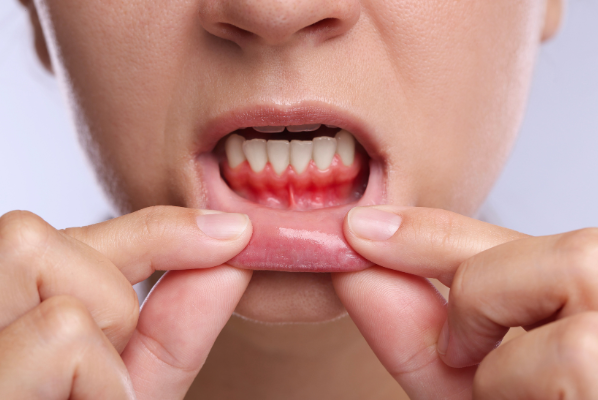
If your gums are puffy, red, or bleed when you brush, you might feel a bit concerned—and rightfully so. In our Tracy office, we see many neighbors who think bleeding gums are just a normal part of life. You shouldn’t ignore your gums.
Scaling and root planing (often called a “deep cleaning”) is the gold-standard treatment for chronic gum disease (periodontitis). It goes beyond a regular dental cleaning to reach the areas where your toothbrush and floss simply can’t go.

Your Trusted Tracy Dentist
Since 2013
Educational
What Exactly is a Deep Cleaning?
Think of a regular cleaning as “dusting the furniture.” Scaling and root planing is more like a “deep spring cleaning” for the foundation of your teeth.
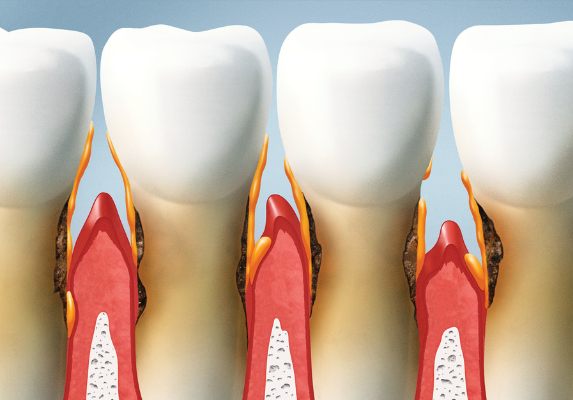
- Scaling: We use specialized tools to remove plaque and tartar (calculus) from above and below the gum line. We clean all the way down to the bottom of the “pocket” between your tooth and gum.
- Root Planing: We smooth out the roots of your teeth. Bacteria love to cling to rough spots on the root surface. By smoothing them out, we make it much harder for plaque to stick and much easier for your gums to reattach to the tooth.
Why is This Necessary?
When plaque sits under the gums, it causes an infection. Your body tries to fight this infection, but in the process, it can actually destroy the bone and tissue holding your teeth in place.
We recommend this for our Tracy patients when we notice:
- Deep Pockets: During your oral exam, we measure the space between your tooth and gum. Pockets deeper than 3mm or 4mm usually need a deep cleaning.
- Bone Loss: If your digital x-rays show that the jawbone is starting to recede.
- Persistent Bad Breath: Bacteria hiding deep in gum pockets are a leading cause of chronic bad breath.
According to the American Academy of Periodontology, scaling and root planing can reduce gum inflammation and shrink the pockets that harbor dangerous bacteria.
What to Expect During Your Visit
We know that “deep cleaning” sounds intense, but your comfort is our priority.
- Numbing: We usually use a local anesthetic so you don’t feel any discomfort during the procedure.
- Sections: Because we are so thorough, we often split the treatment into two visits—doing one side of your mouth at a time.
- Laser Support: In some cases, we use a dental laser to kill bacteria and help the gums heal even faster.
Life After Your Deep Cleaning in Tracy
Once the bacteria are gone, your body can finally start to heal. Most of our patients from the 95376 and 95377 zip codes feel a “freshness” they haven’t felt in years.
- Sensitivity: It’s normal for your teeth to be a little sensitive to cold for a few days after the procedure. Using a sensitive-formula toothpaste can help.
- Follow-up: We’ll usually see you back in 4 to 6 weeks to re-measure your gum pockets and make sure they are healing correctly.
- Maintenance: After a deep cleaning, you’ll likely move to “Periodontal Maintenance” visits every three or four months to keep the infection from coming back.
The Mayo Clinic notes that scaling and root planing is highly effective at stopping gum disease before it leads to tooth loss. It’s an investment not just in your smile, but in your heart health, too!
Ready to Get Your Gums Back to Healthy?
Healthy gums are the secret to a long-lasting smile. If you’ve noticed bleeding or “long” looking teeth, let’s take a look and see if a deep cleaning can help you hit the reset button.
FAQ
Common Questions
Is scaling and root planing worth it?
Yes, scaling and root planing is a vital nonsurgical treatment that can prevent tooth loss and reduce the risk of advanced gum disease. By removing harmful bacteria and tartar from beneath the gumline, it provides the best chance for long-lasting oral and whole-body health.
Is scaling and root planing painful?
The procedure is typically not painful because your dentist or hygienist will use a local anesthesia to numb your gums beforehand. While you might feel some tenderness or tooth sensitivity to heat and cold for a few weeks afterward, these side effects are temporary and manageable.
How long do gums take to heal after scaling and root planing?
Most patients can return to their normal routines on the same day as the procedure. While any gum soreness usually resolves within a couple of days, it may take a month or two for sensitivity to hot and cold temperatures to completely fade.
Is a dental deep cleaning ever really necessary?
Yes, deep cleaning is necessary because it is the only way to remove plaque and bacteria located deep under the gums where a toothbrush cannot reach. Professional intervention is required to eliminate the tartar that causes periodontitis and prevent the infection from spreading.
Do teeth become loose after scaling?
It is normal for teeth to feel a little wiggly immediately following a deep cleaning. This sensation is temporary and should go away once the infection is cleared and your gum tissue tightens back up around the teeth.
How long after root planing can you eat?
You can eat and drink whatever you like as soon as you feel comfortable, provided it does not cause pain. Since your gums are numbed during the procedure, it is often best to wait until the anesthesia wears off to avoid accidentally biting your cheek or tongue.
Can deep cleaning fix receding gums?
Scaling and root planing helps prevent further gum recession by treating the underlying infection early. However, as the infection clears and swelling goes down, you may actually notice slightly more of your tooth roots as the gums shrink back to a healthy, non-inflamed state.
Visit Us Today
Schedule an Appointment for Scaling and Root Planing
Maintain the stability and appearance of your newly aligned smile. Contact Smiles Dental Spa to schedule an appointment for dental retainers and space maintainers with Dr. Shirley Zhao.
Contact our office at (209) 585-1475 or conveniently schedule your appointment online through NexHealth. Visit us at 1431 N Tracy Blvd, Tracy, CA 95376—trusted care tailored for your family.

Phone

Location
1431 N Tracy Blvd
Tracy, CA 95376