


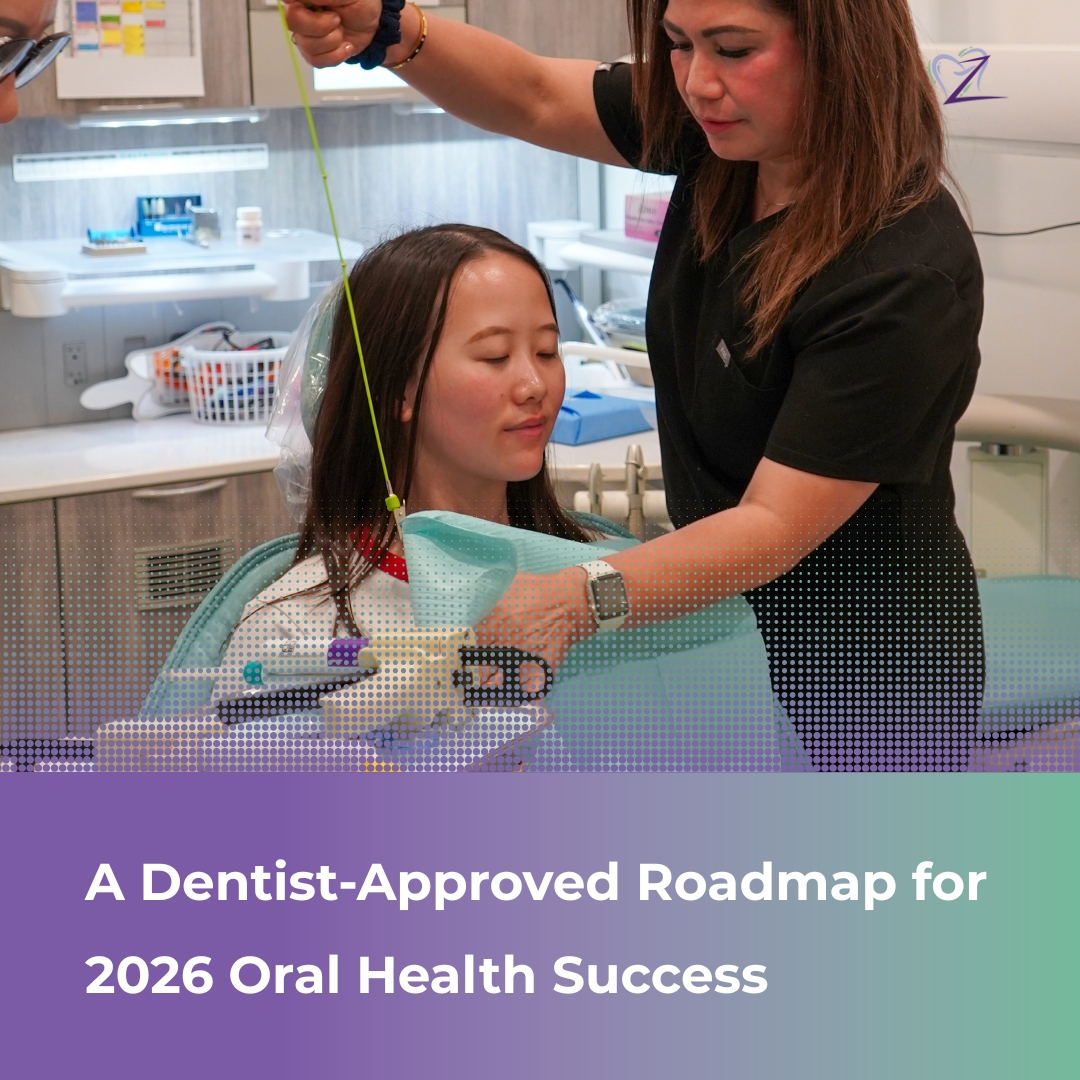
Turning Resolutions into Results
January is a month for fresh starts and goal-setting. Many people concentrate on fitness, diet, physical exams, or career objectives, but it’s crucial to prioritize, and care includes your oral health. A healthy, confident smile is not only cosmetic; it supports overall well-being, prevents costly dental issues, and boosts self-esteem.
Unfortunately, most New Year’s resolutions fail by February. Why? They are vague, unrealistic, or lack a clear plan.
That’s why Dr. Shirley Zhao and her team in Tracy, CA, have created a practical, achievable plan for dental health in 2026. By following these steps, you can make lasting resolutions that ensure your oral health and maximize your dental coverage and dental insurance benefits early in the year.
The Essential 2026 Dental Checklist
Your resolutions will only be effective if you take actionable steps to support them. Here’s the foundation for a successful dental year:
1. Schedule Your Preventive Check-Up
Your first preventive visit is critical. Schedule your initial annual appointments early in the year to:
- Address any dental issues that may have arisen during the holidays.
- Take advantage of your reset insurance benefits.
- Establish a baseline for your oral health treatment plan.
Pro Tip: Early scheduling allows you to maximize your coverage and avoid the last-minute rush at the end of the year.
2. Commit to the Two-Minute Brushing Rule
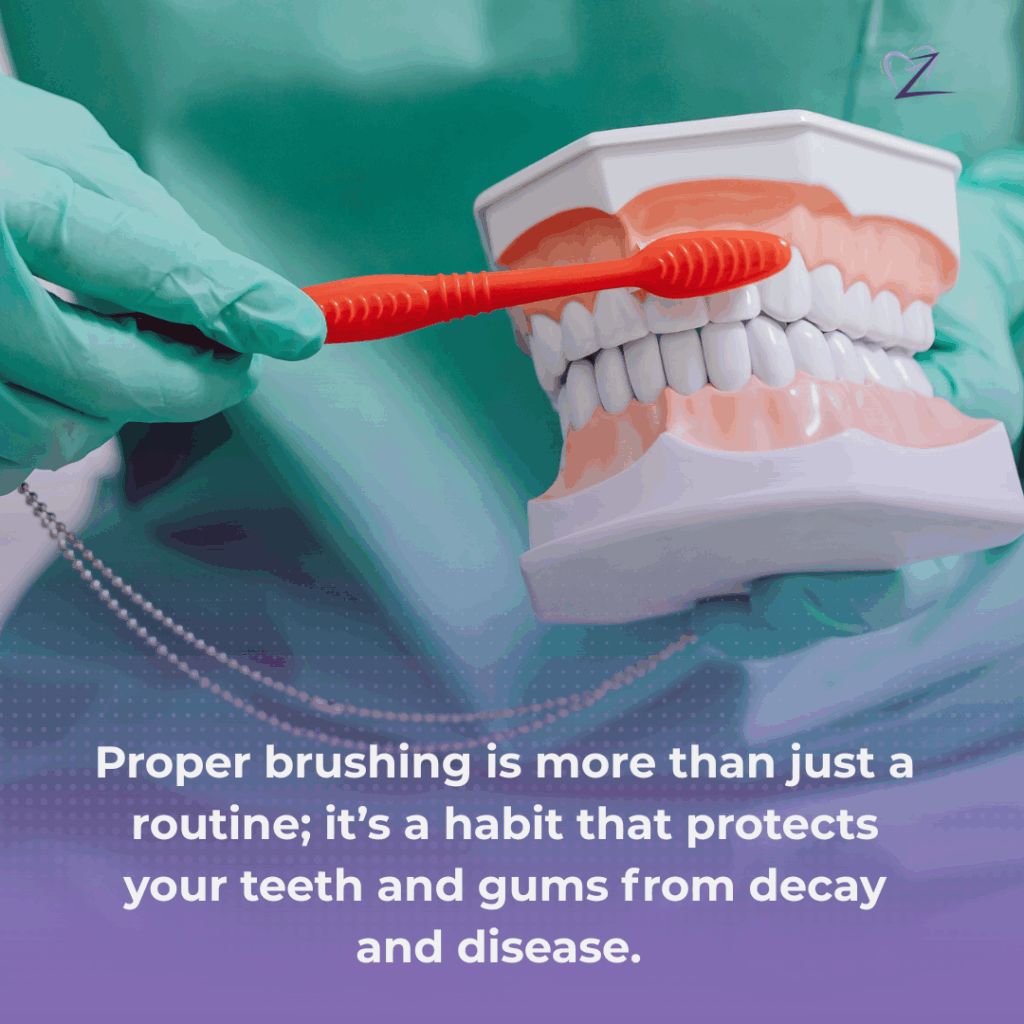
Proper brushing is more than just a routine; it’s a habit that protects your teeth and gums from decay, disease, and tooth loss. Resolve to brush for two minutes, twice daily:
- Don’t forget the gumline—plaque buildup here is a common cause of cavities and periodontal disease.
- Use a timer or a sonic toothbrush for accuracy.
- Focus on all surfaces: the front, back, and chewing surfaces of your teeth.
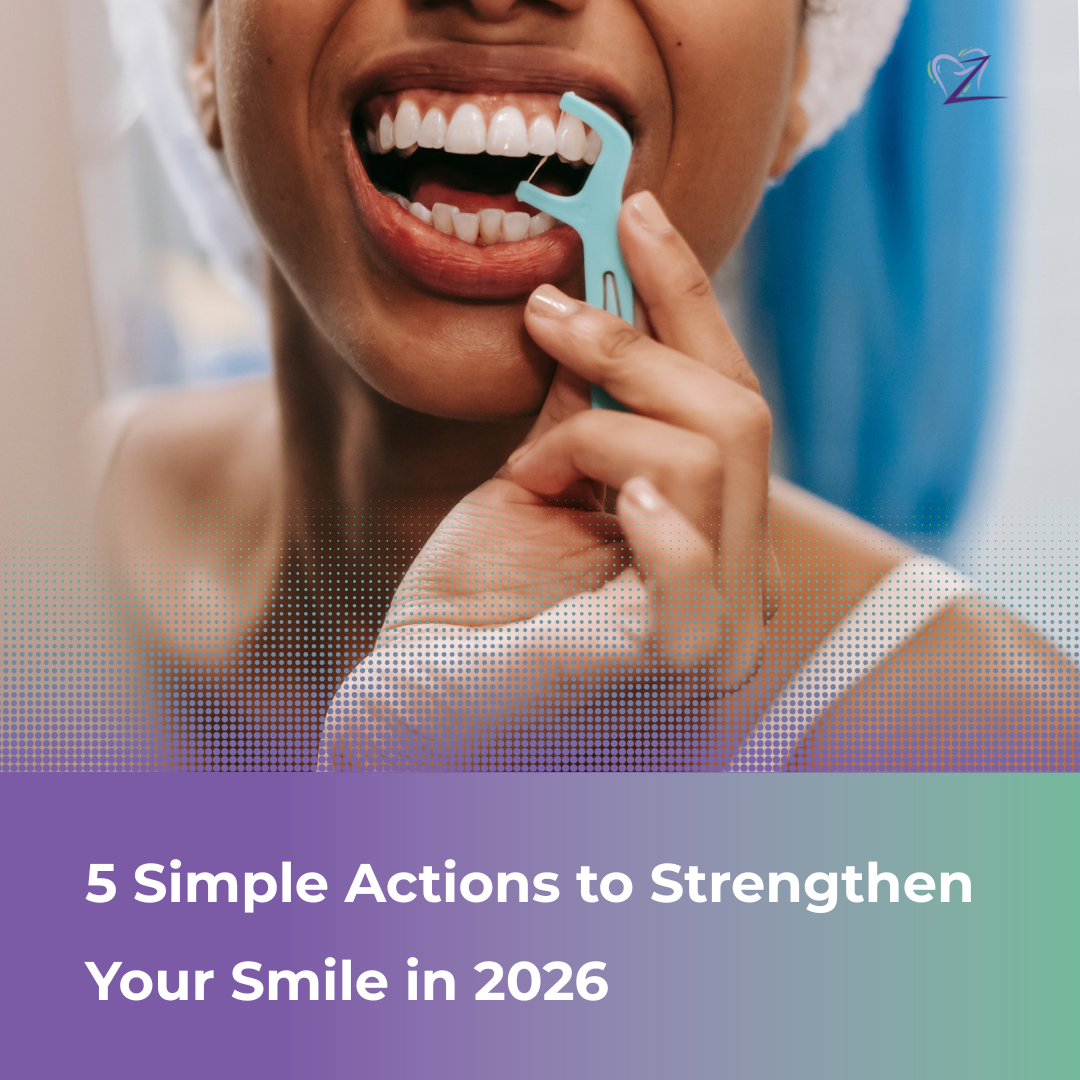
3. Build the Flossing Habit
Flossing is essential for preventing cavities between teeth and keeping gums healthy, yet it’s often overlooked. Start small:
- Week 1: Floss one tooth daily.
- Week 2: Perform thorough flossing of one complete quadrant of the mouth.
- Week 3: Ensure that all teeth are flossed daily.
Gradual improvement leads to consistent habits and oral health plan that last all year.
Habit Tweaks and Strategic Planning
In addition to basic hygiene, small habit adjustments and proactive planning can significantly improve your dental outcomes.
Audit Your Diet: Hidden Sugars and Acid
Be aware of hidden sugars and acids in everyday foods and beverages, such as:
- Flavored waters, coffee lattes, and sports drinks
- Frequent snacking on sweets or processed snacks
- Citrus fruits or vinegar-based dressings
Resolution: Drink more plain water to neutralize acids and rinse your teeth after consuming sugary foods or drinks. This simple adjustment can help protect tooth enamel and reduce cavity risk.
Address Neglected Dental Issues
If Dr. Zhao identified small concerns last year—such as gum recession, sensitivity, or teeth grinding—resolve to address them now:
- Early treatment can prevent more costly procedures later.
- Treatments such as night guards, fillings, and minor periodontal care can protect your oral health while maximizing your insurance benefits.
Stop the “Naughty List” Habits
Certain seemingly harmless habits can damage your teeth over time, such as:
- Chewing ice
- Using teeth to open packages
- Nail-biting
Resolution: Replace these harmful behaviors with safer alternatives, such as stress-relief tools or healthy snacks for a healthy smile.
The Importance of a Dental Plan
New Year’s resolutions serve as a reset button. They help you prioritize your health before the year becomes hectic. They provide structure for your goals.
Why Plan Your Dental Year Early
- Leverage insurance benefits fully: Scheduling early helps you avoid last-minute December stress and ensures that you make the most of your insurance coverage.
- Prevent expensive surprises: Regular preventive care, such as dental cleanings, allows you to identify dental issues before they escalate into major procedures.
- Structured health goals: Having a clear dental roadmap enhances consistency, motivation, and overall results.
Resolving Dental Concerns Proactively
Open communication and planning are essential. Dr. Zhao’s team ensures that you understand:
- Treatment options
- Costs and insurance coverage
- The timeline for multi-step procedures
By proactively addressing dental concerns, you can reduce stress, avoid unexpected expenses, and lower the risk of emergency visits.
Commit to Your Best Smile
Ensure you maintain your dental goals throughout the year. Commit to three essential New Year’s resolutions for your oral health:
- Schedule preventive check-ups early in the year.
- Brush your teeth properly, following the two-minute rule twice daily.
- Develop a consistent flossing habit.
Additionally, make small but meaningful changes to your habits: audit your diet, address minor dental issues early, and eliminate harmful oral habits. These practical steps can lead to long-term dental health, increased confidence, and savings on future procedures.
Call Dr. Shirley Zhao DDS in Tracy, CA, today to schedule your early 2026 preventive visit and secure your roadmap for a healthy, beautiful smile all year long.
🌐 https://smilesdentaltracy.com
FAQ – New Year’s Dental Resolutions
What New Year’s resolutions are recommended to support optimal oral health?
The most effective resolutions emphasize consistent preventive care: regular check-ups, daily brushing and flossing, and habit adjustments like reducing sugary drinks and breaking destructive behaviors.
How can one effectively maintain their dental resolutions?
Start small and gradually build your efforts. Use timers for brushing, floss in small steps, and schedule appointments early. Consistency is key to long-term success.
Why should I schedule my preventive visit in January?
Your insurance benefits reset at the start of the year. Scheduling early helps you utilize your full coverage, catch issues early, and avoid last-minute scheduling conflicts in December.
What habits can damage my teeth without me realizing it?
Common harmful habits include chewing ice, nail-biting, using teeth as tools, and frequent snacking on sugary or acidic foods. Being aware of these and making small adjustments can help prevent long-term oral health problems and damages.
Can small dental issues truly become costly if ignored?
Yes. Minor concerns, such as early cavities, gum recession, or teeth grinding, can worsen over time. Addressing them early with preventive care or minor treatment saves money and protects your oral health.
In what ways does nutrition impact the health of the teeth and gums?
Sugars and acids can erode enamel and feed cavity-causing bacteria. Drinking plain water, limiting sugary snacks, and rinsing after meals can neutralize acids and protect your teeth.
What is the recommended frequency for replacing a toothbrush?
Replace your toothbrush every 3–4 months, or sooner if frayed bristles appear. A worn toothbrush doesn’t clean effectively and can harbor bacteria, reducing your brushing benefits.
Do electric toothbrushes offer advantages over manual toothbrushes?
Both are effective when used properly. Electric toothbrushes can make brushing easier and more consistent, especially for reaching difficult areas and ensuring the full two-minute brushing routine.
How can I determine whether my flossing technique is correct?
Proper flossing gently curves around each tooth and reaches just below the gumline. Avoid snapping or forcing the floss, as this can damage your gums. Your dentist or hygienist can demonstrate correct technique.
Can improving my oral hygiene improve overall health?
Yes. Maintaining good oral hygiene reduces inflammation and lowers your risk factors of gum disease, which can contribute to systemic conditions such as oral cancer, heart disease, diabetes, dental problems, and respiratory infections. Maintaining oral health contributes to overall well-being.